
World
Latvian President Urges Increased Pressure on Russia Amidst War Stalemate

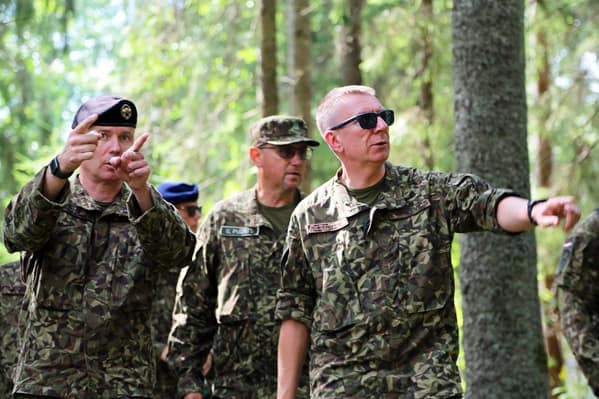
Latvian President Edgars Rinkēvičs has expressed deep concerns regarding the ongoing conflict in Ukraine, warning that Russia’s refusal to engage in meaningful peace talks could prolong the war for years. Speaking at the Munich Security Conference, Rinkēvičs highlighted the grim reality of stalled negotiations and the urgent need for a coordinated international response.
“The conclusion of a peace agreement currently appears more like a miracle,” Rinkēvičs stated, underscoring that Russia shows no indication of accepting any viable deal. He noted that while diplomatic efforts are underway behind the scenes, without significant pressure from the United States and European nations, these talks are unlikely to yield results.
“We haven’t seen any particular signs of pressure,” he remarked, emphasizing that a combination of sanctions, economic measures, and unwavering support for Ukraine are essential to compelling Moscow to reconsider its stance. The president’s comments reflect growing frustration across Europe as Russia persists in its aggressive campaign in Ukraine, dismissing international calls for peace.
Calls for Coordinated Action Against Russian Aggression
Rinkēvičs’s stark assessment aligns with that of Czech President Petr Pavel, who has similarly cautioned that a “quick peace” could lead to further Russian aggression. “Russia rejects all possible ideas and is unwilling to commit to peace,” Rinkēvičs concluded, delivering a sobering message to European capitals: prepare for a protracted struggle, as Moscow is unlikely to be coerced without robust, coordinated pressure.
The situation in Ukraine remains dire, with negotiations appearing nearly impossible while hostilities continue. Rinkēvičs stated, “I fully agree with President Pavel that the only way to do everything possible to achieve peace in 2026 is to increase pressure on Russia, both politically and economically.” This includes enforcing sanctions and combating the shadow fleet that supports Russia’s military efforts.
The Latvian president’s remarks reveal a consensus among European leaders regarding the need for a more aggressive approach to counter Russian defiance. Rinkēvičs stressed that relying solely on diplomacy is no longer sufficient, stating, “We will have to rely not only on diplomacy but also on pressure.” As the conflict drags on, the emphasis on unity among Western nations becomes increasingly crucial in tipping the balance towards a resolution.
In conclusion, the stark reality for Ukraine is clear: without a unified international front, the path to peace remains fraught with challenges. The need for increased diplomatic pressure, economic sanctions, and steadfast support for Ukraine is paramount as Europe continues to navigate this complex and evolving crisis.





Belfast Gears Up for Vibrant St Patrick’s Day Parade on March 17

Cuba Faces Nationwide Blackout Amid Deepening Energy Crisis

Wirral Council to Restructure Leadership, Cutting Two Top Roles

Rethinking Resistance Training: Key Insights from US Experts

EU Membership on the Horizon: What It Means for Citizens

Ukrainian Drone Swarms Strike Moscow Region for Second Day

Henley Launches Innovative Initiative to Boost Local Economy

Court Ruling Allows Pandemic Tax Refund Claims Until 2026

Sean Penn’s Absence at 2026 Oscars Sparks Discussion

Coronation Street’s Shocking Murder Twist Reveals Family Secrets

Andrew Pierce Confirms Departure from ITV’s Good Morning Britain

Katie Price Faces New Health Concerns After Cancer Symptoms Resurface

Gyles Brandreth Shares Grandson’s Cancer Battle and Recovery

Sue Radford Reveals Weight Loss Journey, Shedding 12–13 kg

Kate Garraway Sells £2 Million Home Amid Financial Struggles

Jordan Brook Faces Health Crisis in Hospital as Sophie Kasaei Stays Away

EastEnders’ Nicola Mitchell Faces Unexpected Pregnancy Crisis

Reddit Study Reveals Distinctions Between Lurkers and Power Users
-
 World9 months ago
Coronation Street’s Shocking Murder Twist Reveals Family Secrets
-
 Entertainment8 months ago
Andrew Pierce Confirms Departure from ITV’s Good Morning Britain
-
 Health12 months ago
Katie Price Faces New Health Concerns After Cancer Symptoms Resurface
-
 Health7 months ago
Gyles Brandreth Shares Grandson’s Cancer Battle and Recovery
-
 Health7 months ago
Sue Radford Reveals Weight Loss Journey, Shedding 12–13 kg
-
 Entertainment1 year ago
Kate Garraway Sells £2 Million Home Amid Financial Struggles
-
 Entertainment5 months ago
Jordan Brook Faces Health Crisis in Hospital as Sophie Kasaei Stays Away
-
 World10 months ago
EastEnders’ Nicola Mitchell Faces Unexpected Pregnancy Crisis
-
 Science8 months ago
Reddit Study Reveals Distinctions Between Lurkers and Power Users
-

 World9 months ago
Mother Charged After Son, 9, Killed in Tragic Incident in Italy
-

 Entertainment12 months ago
Ann Ming Reflects on ITV’s ‘I Fought the Law’ Drama
-

 World9 months ago
Bailey Announces Heartbreaking Split from Rebecca After Reunion