
Business
Trump Administration to Gain $10 Billion from TikTok Sale

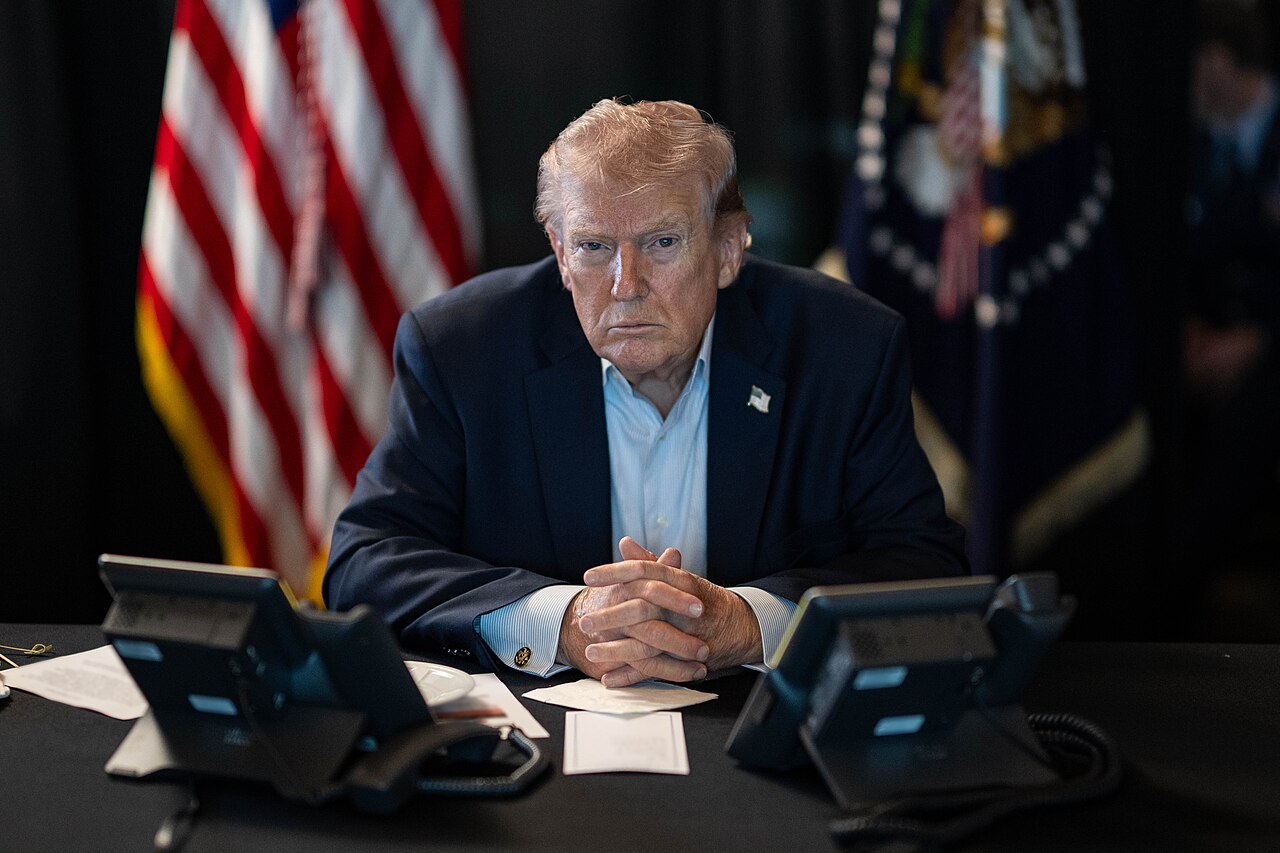
The Trump administration is poised to receive a substantial $10 billion from the sale of TikTok, sparking intense reactions across social media platforms. Critics have labeled this move as an instance of “shameless corruption,” igniting a larger discussion about the intersection of political influence and corporate gain, particularly under the banner of national security.
For years, the proposed sale of TikTok in the United States has been framed as a necessary security measure. Officials warned that ByteDance, TikTok’s Chinese parent company, could potentially access the sensitive data of over 150 million American users. The recent revelation of the $10 billion fee has shifted the focus from privacy concerns to financial motivations, raising questions about whether this deal represents a government-sanctioned financial windfall disguised as policy.
Financial Arrangements Raise Eyebrows
The TikTok deal reportedly allows the US government to collect a significant fee as part of ByteDance’s restructuring efforts for its US operations. Financial analysts have pointed out that direct payments from private tech sales to a sitting administration are virtually unprecedented. Typically, government involvement in corporate transactions entails regulation, licensing, or fines rather than receiving a cut of the sale.
This arrangement has led to accusations of political cronyism, with international observers closely monitoring the implications of such a precedent. Concerns arise that US government approval could become a lucrative opportunity for those in power, further intertwining politics and corporate interests.
While national security concerns regarding data privacy remain valid, critics argue that the $10 billion fee complicates the narrative. Many are questioning whether the justification for the sale is being manipulated to facilitate a significant financial payoff. Furthermore, there are lingering doubts about ByteDance’s influence over TikTok’s US operations following the restructuring.
Implications for Users and Creators
The discussion surrounding the TikTok deal extends beyond financial implications; it may also have direct consequences for content creators and users. A government-influenced restructuring could alter content algorithms, monetization models, and data storage policies. For many creators who rely on TikTok for income, the stakes are high.
The tech industry faces a new reality, navigating not only economic pressures but also potential government interventions that could impact their operations. As one social media user noted, “While they get a $10 billion fee, we get a war in Iran,” reflecting widespread frustration over the merging of political and corporate interests.
Globally, the $10 billion fee has raised alarms regarding government overreach and corporate influence, prompting analysts in Europe and Asia to question whether this model could be replicated in other regions. As the deal unfolds, the focus remains on transparency and accountability in governmental dealings with major tech companies.
As the situation develops, the implications of the Trump administration’s financial gain from the TikTok deal could set important precedents in the ongoing relationship between government policy and corporate America.










Belfast Gears Up for Vibrant St Patrick’s Day Parade on March 17

Cuba Faces Nationwide Blackout Amid Deepening Energy Crisis

Wirral Council to Restructure Leadership, Cutting Two Top Roles

Rethinking Resistance Training: Key Insights from US Experts

EU Membership on the Horizon: What It Means for Citizens

Ukrainian Drone Swarms Strike Moscow Region for Second Day

Henley Launches Innovative Initiative to Boost Local Economy

Court Ruling Allows Pandemic Tax Refund Claims Until 2026

Sean Penn’s Absence at 2026 Oscars Sparks Discussion

Coronation Street’s Shocking Murder Twist Reveals Family Secrets

Andrew Pierce Confirms Departure from ITV’s Good Morning Britain

Katie Price Faces New Health Concerns After Cancer Symptoms Resurface

Gyles Brandreth Shares Grandson’s Cancer Battle and Recovery

Sue Radford Reveals Weight Loss Journey, Shedding 12–13 kg

Kate Garraway Sells £2 Million Home Amid Financial Struggles

Jordan Brook Faces Health Crisis in Hospital as Sophie Kasaei Stays Away

EastEnders’ Nicola Mitchell Faces Unexpected Pregnancy Crisis

Mother Charged After Son, 9, Killed in Tragic Incident in Italy
-
 World7 months ago
Coronation Street’s Shocking Murder Twist Reveals Family Secrets
-
 Entertainment7 months ago
Andrew Pierce Confirms Departure from ITV’s Good Morning Britain
-
 Health10 months ago
Katie Price Faces New Health Concerns After Cancer Symptoms Resurface
-
 Health5 months ago
Gyles Brandreth Shares Grandson’s Cancer Battle and Recovery
-
 Health5 months ago
Sue Radford Reveals Weight Loss Journey, Shedding 12–13 kg
-
 Entertainment11 months ago
Kate Garraway Sells £2 Million Home Amid Financial Struggles
-
 Entertainment4 months ago
Jordan Brook Faces Health Crisis in Hospital as Sophie Kasaei Stays Away
-
 World8 months ago
EastEnders’ Nicola Mitchell Faces Unexpected Pregnancy Crisis
-
 World8 months ago
Mother Charged After Son, 9, Killed in Tragic Incident in Italy
-

 Entertainment10 months ago
Ann Ming Reflects on ITV’s ‘I Fought the Law’ Drama
-

 World8 months ago
Bailey Announces Heartbreaking Split from Rebecca After Reunion
-

 Entertainment5 months ago
Selena Gomez’s Name Linked to Epstein: Examining the Claims