
Business
Renewables Challenge Century-Old Utility Regulations in Energy Shift

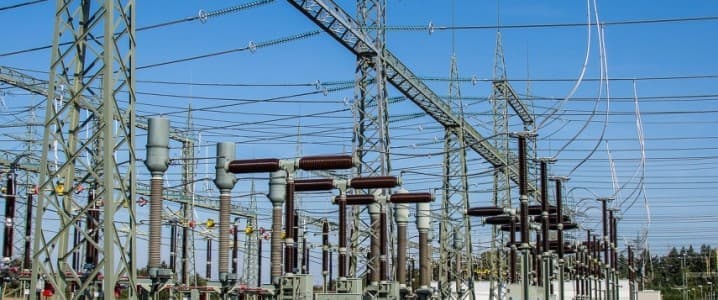
Renewable energy sources, including solar, wind, and battery technologies, are transforming the power generation landscape by displacing fossil fuel-based electricity. This shift is primarily driven by cost advantages, as renewables produce energy more cheaply than traditional sources. This transition is not merely a technological upgrade; it is reshaping the entire economic framework around energy production, leading to significant implications for existing regulatory structures.
As competition intensifies among energy producers, the disparity in cost structures is becoming increasingly evident. The emergence of renewable energy providers, which operate with significantly lower expenses compared to legacy utilities, raises critical questions regarding the viability of current regulatory frameworks. Public Utility Commissions (PUCs), which have overseen the energy sector since the first ones were established in the United States in 1907, may find their traditional roles challenged as renewables gain market share.
Regulatory Framework Under Pressure
Historically, PUCs have faced the complex task of ensuring utility growth while protecting consumers from exploitation. These agencies have largely operated on a fixed-cost model, focusing on the expenses associated with generation, transmission, and distribution. However, the rapid integration of renewables complicates this model, leading to a potential regulatory failure. Critics argue that the current framework is akin to a “one trick pony,” limited to raising customer rates to compensate for lost revenue from departing customers.
The concept of a “utility death spiral” has emerged as a point of concern, suggesting that rate increases could lead to further customer losses, creating a self-perpetuating cycle. While large commercial and industrial customers may be lured away by more competitive renewable providers, the rapid growth in overall power demand indicates that immediate losses for utilities are not imminent. Nonetheless, the underlying regulatory weaknesses threaten the stability of the energy market as a whole.
The nature of utility expenses further complicates matters. Utilities typically incur both fixed and variable costs, with fuel expenses representing the largest variable cost. During the past decades, the focus of rate-setting has been on managing these fixed costs. The fundamental questions posed by regulators have revolved around how much utilities invest in infrastructure and what capital structure is appropriate for determining rates. This approach has historically allowed utilities to reduce operational costs and benefit consumers through lower prices.
Emerging Competition and Regulatory Challenges
As renewable providers enter the market, their financial models disrupt traditional cost structures. Unlike established utilities, these new entrants have minimal fuel costs, and their capital structures can rely on lower-cost corporate debt rather than expensive equity. This financial superiority allows renewables to operate with a competitive advantage that incumbents struggle to match.
In this evolving landscape, regulators face the daunting task of addressing the competitive disadvantages faced by legacy utilities. While there may be attempts to support established providers, the tools available to regulators are limited and ineffective against the growing market share of renewables. The public discourse around electricity affordability is also intensifying, with rising prices capturing the attention of consumers and policymakers alike.
As regulatory officials come under increasing scrutiny, the challenge remains that they cannot effectively lower prices due to the pass-through nature of fuel costs. The fixed assets required to provide electricity continue to grow, often outpacing inflation. Therefore, the traditional regulatory apparatus appears to be facing an existential crisis as renewables continue to penetrate the market.
Looking ahead, two distinct paths for regulatory reform may emerge. The first involves revising rate design to create a more equitable system for customers. While this effort may yield fairer outcomes, it does not address the fundamental competitive challenges confronting utilities. The second reform effort seeks to limit utility returns on equity, suggesting that utilities are earning excessive profits. However, without addressing the underlying competitive disadvantages, these measures may ultimately prove futile.
In conclusion, the landscape of utility regulation is shifting due to the rise of renewable energy sources. The traditional regulatory framework, established over a century ago, is proving ill-equipped to handle the rapid technological transition occurring in the energy sector. As regulators grapple with these challenges, their role may become increasingly palliative, striving to maintain stability in a rapidly evolving market that is redefining the future of power generation.
This transformation mirrors the gradual melting of Antarctic ice shelves, which appear permanent until they are suddenly gone. The future of utility regulation, just like these ice giants, is uncertain and could change dramatically in the face of ongoing advancements in renewable energy.
By Leonard Hyman and William Tilles for Oilprice.com










Belfast Gears Up for Vibrant St Patrick’s Day Parade on March 17

Cuba Faces Nationwide Blackout Amid Deepening Energy Crisis

Wirral Council to Restructure Leadership, Cutting Two Top Roles

Rethinking Resistance Training: Key Insights from US Experts

EU Membership on the Horizon: What It Means for Citizens

Ukrainian Drone Swarms Strike Moscow Region for Second Day

Henley Launches Innovative Initiative to Boost Local Economy

Court Ruling Allows Pandemic Tax Refund Claims Until 2026

Sean Penn’s Absence at 2026 Oscars Sparks Discussion

Coronation Street’s Shocking Murder Twist Reveals Family Secrets

Andrew Pierce Confirms Departure from ITV’s Good Morning Britain

Katie Price Faces New Health Concerns After Cancer Symptoms Resurface

Gyles Brandreth Shares Grandson’s Cancer Battle and Recovery

Sue Radford Reveals Weight Loss Journey, Shedding 12–13 kg

Kate Garraway Sells £2 Million Home Amid Financial Struggles

Jordan Brook Faces Health Crisis in Hospital as Sophie Kasaei Stays Away

EastEnders’ Nicola Mitchell Faces Unexpected Pregnancy Crisis

Reddit Study Reveals Distinctions Between Lurkers and Power Users
-
 World8 months ago
Coronation Street’s Shocking Murder Twist Reveals Family Secrets
-
 Entertainment8 months ago
Andrew Pierce Confirms Departure from ITV’s Good Morning Britain
-
 Health12 months ago
Katie Price Faces New Health Concerns After Cancer Symptoms Resurface
-
 Health7 months ago
Gyles Brandreth Shares Grandson’s Cancer Battle and Recovery
-
 Health7 months ago
Sue Radford Reveals Weight Loss Journey, Shedding 12–13 kg
-
 Entertainment1 year ago
Kate Garraway Sells £2 Million Home Amid Financial Struggles
-
 Entertainment5 months ago
Jordan Brook Faces Health Crisis in Hospital as Sophie Kasaei Stays Away
-
 World9 months ago
EastEnders’ Nicola Mitchell Faces Unexpected Pregnancy Crisis
-
 Science8 months ago
Reddit Study Reveals Distinctions Between Lurkers and Power Users
-

 World9 months ago
Mother Charged After Son, 9, Killed in Tragic Incident in Italy
-

 Entertainment12 months ago
Ann Ming Reflects on ITV’s ‘I Fought the Law’ Drama
-

 World9 months ago
Bailey Announces Heartbreaking Split from Rebecca After Reunion