
Politics
Trump Downplays Oil Price Surge, Critics Raise Alarm Globally

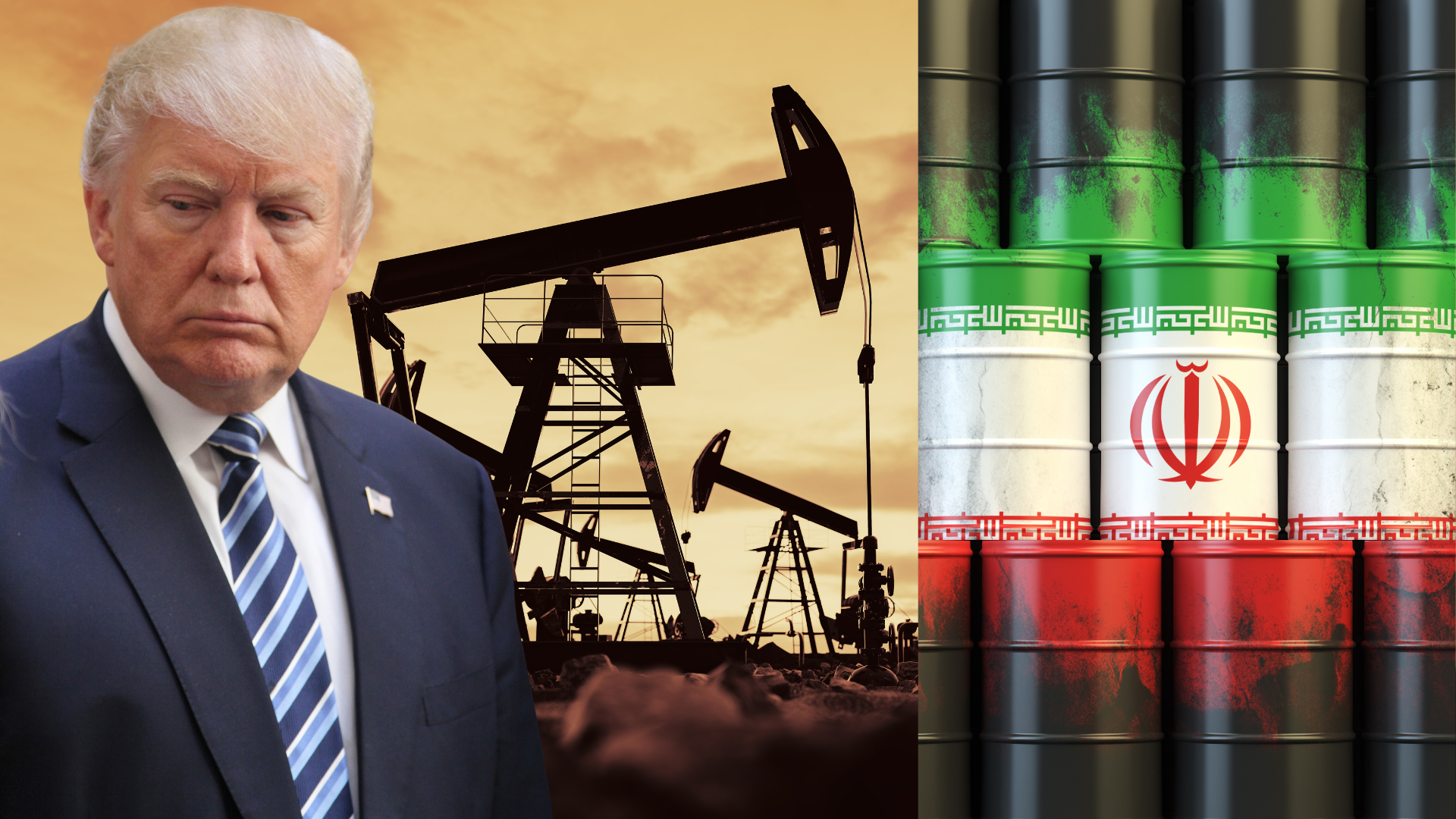
Global oil markets are experiencing significant turmoil, with Brent crude prices skyrocketing by 25% on March 9, 2026, following escalating military tensions in the Middle East. President Donald Trump has dismissed concerns over rising energy costs, calling critics “fools,” while countries scramble to respond to the crisis. The surge in oil prices comes after a series of airstrikes by the United States and Israel targeting Iranian infrastructure, pushing Brent crude to a peak of approximately $119.50 per barrel.
As oil prices surged, the G7 nations convened an emergency session to discuss a coordinated release of strategic petroleum reserves, an action last seen during the energy crisis following the Russian invasion of Ukraine in 2022. The International Energy Agency (IEA) is also involved in these discussions, aiming to stabilize markets impacted by heightened geopolitical tensions.
Trump took to Truth Social to downplay the volatility, asserting that the current price shock is a “very small price to pay” for eliminating the Iranian nuclear threat. He expressed confidence that oil prices would “drop rapidly” once military objectives are achieved. “Short-term oil prices, which will drop rapidly when the destruction of the Iranian nuclear threat is over, are a very small price to pay for USA, and World, Safety and Peace,” he stated, adding, “Only fools would think differently.”
The immediate impact of the price surge has been felt worldwide. Stock markets reacted negatively, with the UK’s FTSE 100 index falling by 1.3%. Financial ministers, including UK Chancellor Rachel Reeves, are now engaged in discussions about the economic implications. The closure of the Strait of Hormuz, a critical waterway through which nearly one-fifth of the world’s oil is transported, has further exacerbated fears of a prolonged disruption in supply.
In light of the escalating violence, Iranian military activities have intensified, with Iran responding to the airstrikes by targeting energy infrastructure in neighboring Gulf states. Notably, Saudi Arabia intercepted drone attacks aimed at its oil fields, highlighting the growing threat to regional energy security.
Market analysts are closely monitoring the situation, with concerns that continued instability could push oil prices even higher, potentially reaching between $120 and $150 per barrel. Paul Gooden, the Natural Resources Manager at NinetyOne Asset Management, emphasized that the duration of the conflict is critical. He noted that while there is hope for resolution, the current volatility serves as a stark reminder of the fragility of global energy supplies in times of war.
The unrest is not limited to oil; gas prices in the UK surged nearly 25% in response to the turmoil, reflecting the broader impact of rising energy costs on household budgets. Although current prices remain below the record highs seen in 2022, inflation driven by energy costs continues to strain consumers.
As governments weigh their next steps, markets remain highly sensitive to developments in the Middle East. The situation underscores the interconnectedness of global energy resources and the profound economic implications of geopolitical conflicts.








Belfast Gears Up for Vibrant St Patrick’s Day Parade on March 17

Cuba Faces Nationwide Blackout Amid Deepening Energy Crisis

Wirral Council to Restructure Leadership, Cutting Two Top Roles

Rethinking Resistance Training: Key Insights from US Experts

EU Membership on the Horizon: What It Means for Citizens

Ukrainian Drone Swarms Strike Moscow Region for Second Day

Henley Launches Innovative Initiative to Boost Local Economy

Court Ruling Allows Pandemic Tax Refund Claims Until 2026

Sean Penn’s Absence at 2026 Oscars Sparks Discussion

Coronation Street’s Shocking Murder Twist Reveals Family Secrets

Andrew Pierce Confirms Departure from ITV’s Good Morning Britain

Katie Price Faces New Health Concerns After Cancer Symptoms Resurface

Gyles Brandreth Shares Grandson’s Cancer Battle and Recovery

Sue Radford Reveals Weight Loss Journey, Shedding 12–13 kg

Kate Garraway Sells £2 Million Home Amid Financial Struggles

Jordan Brook Faces Health Crisis in Hospital as Sophie Kasaei Stays Away

EastEnders’ Nicola Mitchell Faces Unexpected Pregnancy Crisis

Reddit Study Reveals Distinctions Between Lurkers and Power Users
-
 World8 months ago
Coronation Street’s Shocking Murder Twist Reveals Family Secrets
-
 Entertainment8 months ago
Andrew Pierce Confirms Departure from ITV’s Good Morning Britain
-
 Health12 months ago
Katie Price Faces New Health Concerns After Cancer Symptoms Resurface
-
 Health7 months ago
Gyles Brandreth Shares Grandson’s Cancer Battle and Recovery
-
 Health7 months ago
Sue Radford Reveals Weight Loss Journey, Shedding 12–13 kg
-
 Entertainment1 year ago
Kate Garraway Sells £2 Million Home Amid Financial Struggles
-
 Entertainment5 months ago
Jordan Brook Faces Health Crisis in Hospital as Sophie Kasaei Stays Away
-
 World9 months ago
EastEnders’ Nicola Mitchell Faces Unexpected Pregnancy Crisis
-
 Science8 months ago
Reddit Study Reveals Distinctions Between Lurkers and Power Users
-

 World9 months ago
Mother Charged After Son, 9, Killed in Tragic Incident in Italy
-

 Entertainment12 months ago
Ann Ming Reflects on ITV’s ‘I Fought the Law’ Drama
-

 World9 months ago
Bailey Announces Heartbreaking Split from Rebecca After Reunion