
Lifestyle
Smart Cities Embrace Slowness to Enhance Urban Living

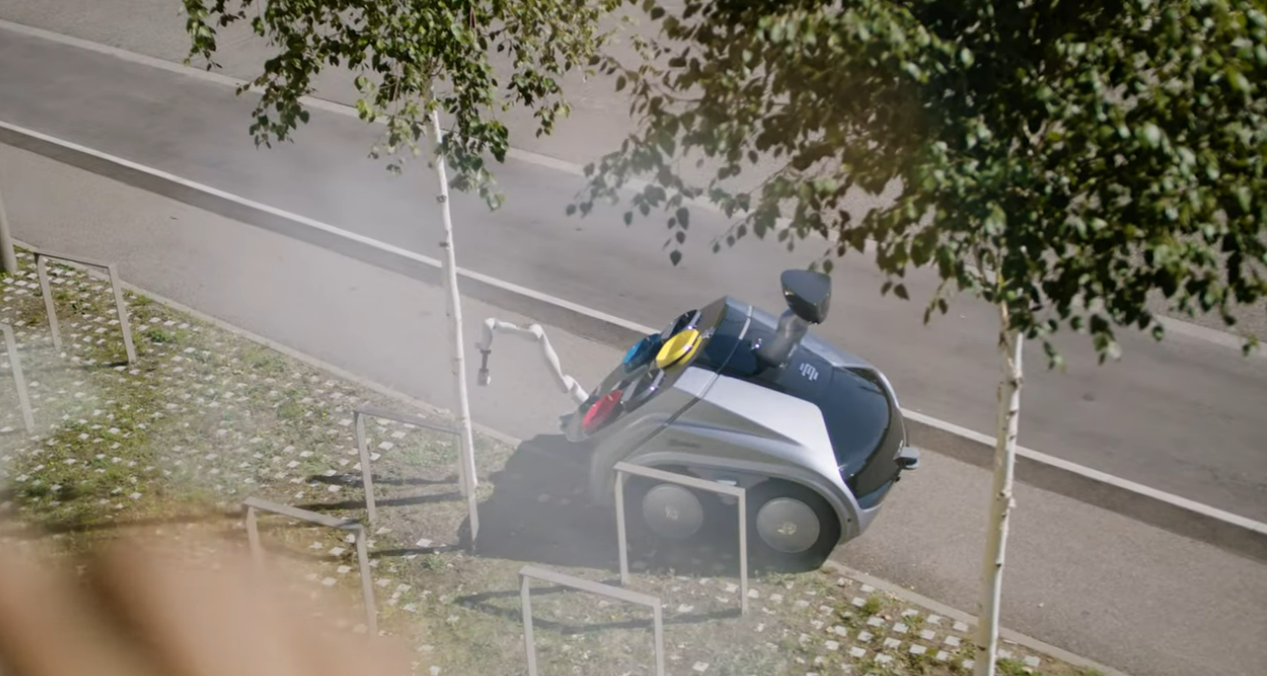
Cities around the world are beginning to prioritize slowness over speed in urban design, marking a significant shift in how communities approach city planning. In Pontevedra, Spain, a tranquil section of the city highlights this transformation, where pedestrians experience a slower pace of life, characterized by friendly interactions and the absence of honking cars. This deliberate design fosters a sense of community and encourages residents to engage more meaningfully with their surroundings.
For years, urban planning focused primarily on speed, with wider roads and faster vehicles dominating the landscape. However, this approach has led to numerous challenges, including congested streets, increased air pollution, and diminishing public spaces. The rising trend of designing cities for slowness is being embraced by mayors and urban planners in cities like Helsinki, Oslo, and Paris. Their goal is to redefine what it means to be a “smart” city.
Redefining Urban Mobility
In Paris, Mayor Anne Hidalgo has implemented the innovative 15-minute city plan. This initiative ensures that essential services such as schools, parks, grocery stores, and healthcare facilities are easily accessible by foot or bicycle. The focus is not on saving time but on enhancing the quality of life in urban areas. Residents are encouraged to enjoy their neighborhoods rather than racing through them.
Oslo has adopted a similar philosophy, drastically reducing car access in the city center. This decision has resulted in safer and cleaner public spaces, making it easier for cyclists and pedestrians to navigate shared areas. Statistics indicate a significant decline in traffic-related fatalities, showcasing the success of prioritizing people over vehicles.
Helsinki mirrors this approach by implementing measures that promote interaction among residents. Reduced speed limits and pedestrian-friendly streets have transformed urban spaces into vibrant areas for social engagement. Although these changes may appear subtle, they lead to increased foot traffic for local businesses and foster a sense of community, allowing children to walk to school without fear.
The Benefits of Slower Cities
The advantages of designing for slowness extend beyond mere aesthetics. Research has shown that cities embracing slower designs tend to be more socially and economically resilient. In fast-paced environments, individuals who can keep up—such as young, physically fit people—often dominate. However, slower urban designs encourage participation from all demographics, including those with disabilities, parents with strollers, and older adults.
Technological advancements also play a vital role in enhancing urban slowness. Smart infrastructure, such as digital signage and air quality sensors, helps to maintain a calm environment. Mobile applications further encourage residents to explore their neighborhoods, transforming routine walks into opportunities for cultural discovery.
Economically, car-free streets often yield higher retail revenues compared to congested roadways. Studies indicate that consumers are more likely to browse and spend when they are not rushed. Thus, a slower city does not equate to a less vibrant economy; rather, it fosters local commerce and community engagement.
The concept of the “15-minute city” is reshaping land-use planning globally. Municipalities are reconsidering zoning laws to promote compact, livable spaces, moving away from sprawling developments. This shift emphasizes a balance between density and accessibility, creating dignified urban environments.
While not every city can fully realize these ideals, opportunities for integrating slowness exist even in larger metropolises. Cultural corridors, community streets, and pocket parks can be designed with slowness in mind, enhancing the overall mood and functionality of urban areas.
Designing for slowness represents a departure from traditional notions of progress. It encourages a reevaluation of what it means to advance as a society. These cities become more than just livable; they become places that inspire connection, observation, and participation.
As urban planners and leaders recognize the importance of creating spaces that allow for quiet moments, cities that embrace this philosophy are likely to thrive in the future. They understand that ambition can manifest in peaceful plazas, shaded benches, and safe routes for children traveling to school. While these cities may not be the fastest, they are poised to become the most cherished by their residents.










Belfast Gears Up for Vibrant St Patrick’s Day Parade on March 17

Cuba Faces Nationwide Blackout Amid Deepening Energy Crisis

Wirral Council to Restructure Leadership, Cutting Two Top Roles

Rethinking Resistance Training: Key Insights from US Experts

EU Membership on the Horizon: What It Means for Citizens

Ukrainian Drone Swarms Strike Moscow Region for Second Day

Henley Launches Innovative Initiative to Boost Local Economy

Court Ruling Allows Pandemic Tax Refund Claims Until 2026

Sean Penn’s Absence at 2026 Oscars Sparks Discussion

Coronation Street’s Shocking Murder Twist Reveals Family Secrets

Andrew Pierce Confirms Departure from ITV’s Good Morning Britain

Katie Price Faces New Health Concerns After Cancer Symptoms Resurface

Gyles Brandreth Shares Grandson’s Cancer Battle and Recovery

Sue Radford Reveals Weight Loss Journey, Shedding 12–13 kg

Kate Garraway Sells £2 Million Home Amid Financial Struggles

Jordan Brook Faces Health Crisis in Hospital as Sophie Kasaei Stays Away

EastEnders’ Nicola Mitchell Faces Unexpected Pregnancy Crisis

Reddit Study Reveals Distinctions Between Lurkers and Power Users
-
 World9 months ago
Coronation Street’s Shocking Murder Twist Reveals Family Secrets
-
 Entertainment9 months ago
Andrew Pierce Confirms Departure from ITV’s Good Morning Britain
-
 Health12 months ago
Katie Price Faces New Health Concerns After Cancer Symptoms Resurface
-
 Health7 months ago
Gyles Brandreth Shares Grandson’s Cancer Battle and Recovery
-
 Health7 months ago
Sue Radford Reveals Weight Loss Journey, Shedding 12–13 kg
-
 Entertainment1 year ago
Kate Garraway Sells £2 Million Home Amid Financial Struggles
-
 Entertainment5 months ago
Jordan Brook Faces Health Crisis in Hospital as Sophie Kasaei Stays Away
-
 World10 months ago
EastEnders’ Nicola Mitchell Faces Unexpected Pregnancy Crisis
-
 Science9 months ago
Reddit Study Reveals Distinctions Between Lurkers and Power Users
-

 World9 months ago
Mother Charged After Son, 9, Killed in Tragic Incident in Italy
-

 Entertainment12 months ago
Ann Ming Reflects on ITV’s ‘I Fought the Law’ Drama
-

 World9 months ago
Bailey Announces Heartbreaking Split from Rebecca After Reunion