
World
UK Parliament Rejects Social Media Ban for Under-16s, Backs Ministerial Controls

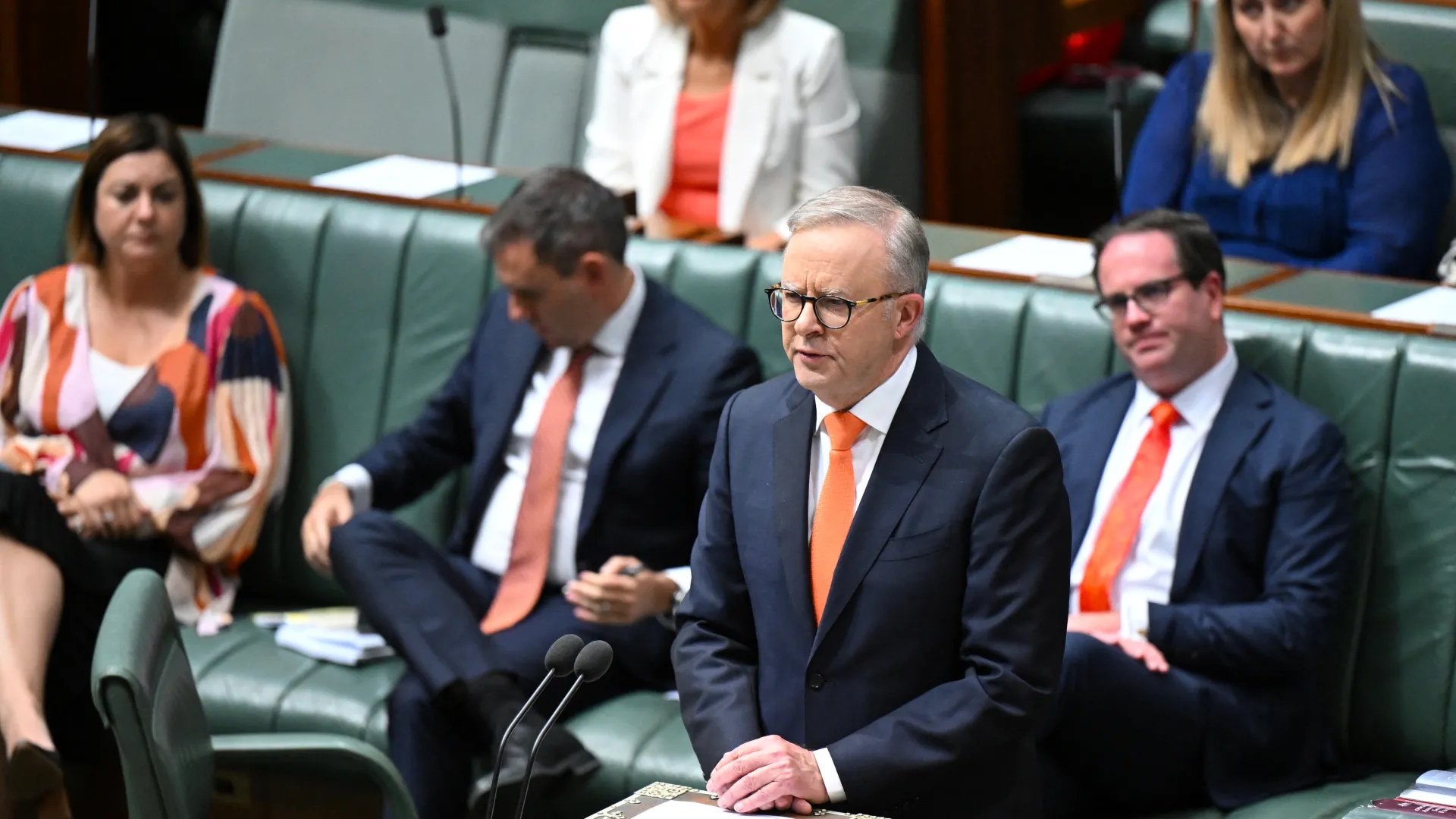
Members of the UK Parliament have voted against a proposal to implement a social media ban for children under 16, opting instead for a regulatory framework that grants ministers greater flexibility in managing online safety. The rejected proposal sought to limit access to popular platforms like TikTok, Instagram, and Snapchat for younger users, similar to measures introduced in Australia at the end of 2023.
During the debate, Education Minister Olivia Bailey advocated for a more adaptable approach rather than a blanket ban. She highlighted that while many parents and advocacy groups support such a prohibition, various stakeholders raised concerns about potential unintended consequences. Bailey stated that some children’s charities caution against a total ban, fearing it could push teenagers to unregulated corners of the internet or leave them ill-equipped for responsible online behavior in the future.
The proposed restrictions were introduced as amendments to the Children’s Wellbeing and Schools Bill. MPs ultimately voted 307 to 173 against the Lords’ proposal for a complete ban, while endorsing Bailey’s alternative that retains the possibility of future restrictions. The government has initiated a consultation process to gather public input on improving online safety for young people. This consultation will explore whether social media companies should enforce stricter age limits and whether features deemed addictive, like autoplay, should be disabled for younger users.
Under Bailey’s proposal, UK Science Secretary Liz Kendall would be empowered to impose restrictions or bans on social media access for specific age groups, including the ability to limit access to features considered harmful or addictive. Additionally, the government could modify the digital age of consent if necessary.
Despite the parliamentary outcome, the vote saw more than 100 members from the governing Labour Party abstaining. One of those abstaining, North Somerset MP Sadik Al-Hassan, expressed concern over the serious risks social media poses to young people. He argued that if social media were treated like a pharmaceutical product causing measurable harm, it would likely face stricter regulations.
Opponents of the proposed ban included the father of Molly Russell, a 14-year-old who tragically died after encountering harmful online content. He emphasized that the government should focus on enforcing existing online safety laws rather than imposing a blanket prohibition on access.
Following the vote, the Liberal Democrats criticized the government for its lack of commitment to stronger action. The party’s education spokesperson Munira Wilson called for clear assurances that harmful online content would be effectively addressed. Wilson warned that the ongoing consultation must not result in further delays in protecting children from dangerous or addictive digital platforms.
As discussions around online safety continue, the UK government’s approach will be closely monitored, with many emphasizing the need for a balanced strategy that protects children while allowing for responsible internet engagement.









Belfast Gears Up for Vibrant St Patrick’s Day Parade on March 17

Cuba Faces Nationwide Blackout Amid Deepening Energy Crisis

Wirral Council to Restructure Leadership, Cutting Two Top Roles

Rethinking Resistance Training: Key Insights from US Experts

EU Membership on the Horizon: What It Means for Citizens

Ukrainian Drone Swarms Strike Moscow Region for Second Day

Henley Launches Innovative Initiative to Boost Local Economy

Court Ruling Allows Pandemic Tax Refund Claims Until 2026

Sean Penn’s Absence at 2026 Oscars Sparks Discussion

Coronation Street’s Shocking Murder Twist Reveals Family Secrets

Andrew Pierce Confirms Departure from ITV’s Good Morning Britain

Katie Price Faces New Health Concerns After Cancer Symptoms Resurface

Sue Radford Reveals Weight Loss Journey, Shedding 12–13 kg

Kate Garraway Sells £2 Million Home Amid Financial Struggles

Jordan Brook Faces Health Crisis in Hospital as Sophie Kasaei Stays Away

EastEnders’ Nicola Mitchell Faces Unexpected Pregnancy Crisis

Bailey Announces Heartbreaking Split from Rebecca After Reunion

Ann Ming Reflects on ITV’s ‘I Fought the Law’ Drama
-
 World4 months ago
Coronation Street’s Shocking Murder Twist Reveals Family Secrets
-
 Entertainment4 months ago
Andrew Pierce Confirms Departure from ITV’s Good Morning Britain
-
 Health7 months ago
Katie Price Faces New Health Concerns After Cancer Symptoms Resurface
-
 Health2 months ago
Sue Radford Reveals Weight Loss Journey, Shedding 12–13 kg
-
 Entertainment8 months ago
Kate Garraway Sells £2 Million Home Amid Financial Struggles
-
 Entertainment3 weeks ago
Jordan Brook Faces Health Crisis in Hospital as Sophie Kasaei Stays Away
-
 World5 months ago
EastEnders’ Nicola Mitchell Faces Unexpected Pregnancy Crisis
-
 World5 months ago
Bailey Announces Heartbreaking Split from Rebecca After Reunion
-
 Entertainment7 months ago
Ann Ming Reflects on ITV’s ‘I Fought the Law’ Drama
-

 Entertainment2 months ago
Selena Gomez’s Name Linked to Epstein: Examining the Claims
-

 Health7 months ago
TOWIE Stars Sophie Kasaei and Jordan Brook Pursue Fertility Treatment
-

 Health7 months ago
Fiona Phillips’ Husband Shares Heartbreaking Update on Her Health