
World
Emirates Resumes A380 Flights to Bali After Brief Hiatus

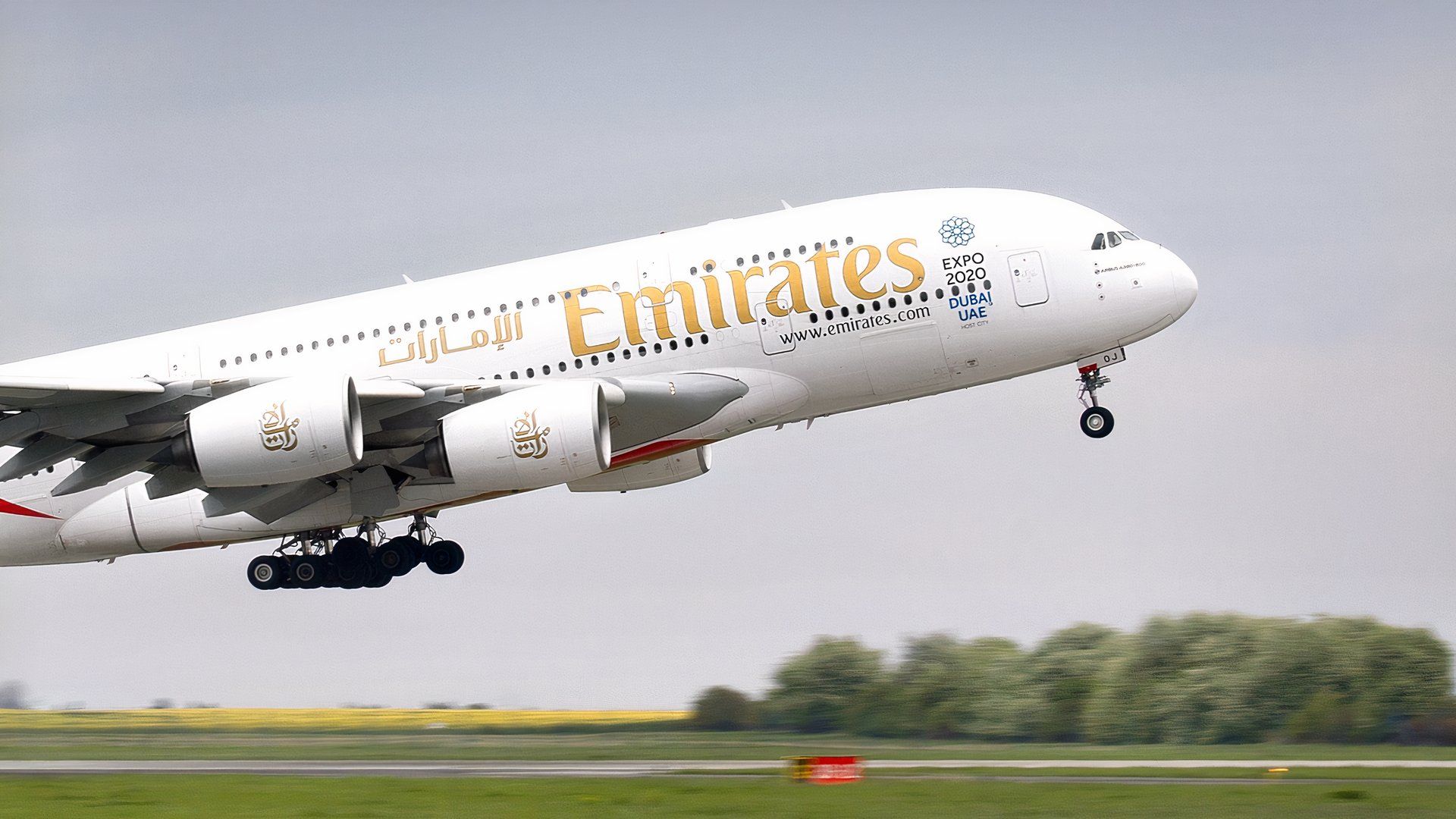
Emirates has reinstated its Airbus A380 flights between Dubai and Bali after a brief suspension that lasted from January 16 until February 25. The return of the superjumbo aircraft to this popular route coincided with the airline’s submission of its flight schedule to Cirium Diio, indicating that the pause was likely a scheduled adjustment rather than a political decision or a reaction to external pressures.
The Airbus A380, known for its substantial capacity, has been a staple on the Bali route since its introduction in 2023. The flight, covering 4,043 nautical miles (7,488 kilometers) each way, saw its service initially operated by the Boeing 777-300ER before transitioning to the A380 to accommodate the leisure market. Emirates, which has served Denpasar for over 11 years, has deployed the high-capacity two-class model on nearly every flight to meet demand during peak travel seasons.
Understanding the Recent Suspension
Between mid-January and late February, only the Boeing 777-300ER operated on the route, raising questions about the temporary removal of the A380. While many attributed the change to seasonal demand fluctuations, Indonesia’s Director General of Civil Aviation, Lukman Laisa, indicated that Emirates would need to meet specific conditions to resume A380 flights. These included establishing a maintenance, repair, and overhaul (MRO) facility in Indonesia, increasing local staffing, and expanding services to other Indonesian cities beyond Bali and Jakarta.
Conversely, Gede Eka Sandi Asmadi, the Communication and Legal Division Head of Denpasar Airport, suggested that Emirates simply adjusted its fleet in response to lower demand during the low season. The timing of the A380’s return aligns with a scheduled change, reinforcing the notion that it was primarily a strategic decision based on operational requirements.
Future Outlook for Emirates’ Bali Route
Looking ahead, Emirates plans to introduce a new 569-seat A380 model later this year, marking a significant shift in its fleet management strategy. Despite the recent disruptions, the airline currently operates two daily flights to Bali—one on the A380 and the other on the 777-300ER. The first of these rescheduled flights took place on March 6, with the second service yet to be determined, contingent on ongoing geopolitical circumstances in the Middle East.
The departure and arrival times are meticulously coordinated to enhance connectivity at Emirates’ hub in the UAE, particularly for passengers traveling to and from Europe. Data indicates that between December 2024 and November 2025, over 1,500 passengers are expected to transfer to other flights in Dubai daily.
As Emirates, along with other major Middle Eastern airlines like Etihad and Qatar Airways, continues to serve Bali, the competition for tourist traffic to this popular destination is expected to grow. In 2026, the three airlines will collectively offer up to six daily flights to Bali, while the Thai destination of Phuket will see even higher service levels with up to 19 daily flights from Middle Eastern carriers this year.
The return of the A380 to Bali represents both an operational adjustment and a commitment to maintaining high service levels for travelers eager to visit this sought-after destination. As the airline navigates the challenges ahead, it remains focused on enhancing its offerings to accommodate the evolving demands of its passengers.











Belfast Gears Up for Vibrant St Patrick’s Day Parade on March 17

Cuba Faces Nationwide Blackout Amid Deepening Energy Crisis

Wirral Council to Restructure Leadership, Cutting Two Top Roles

Rethinking Resistance Training: Key Insights from US Experts

EU Membership on the Horizon: What It Means for Citizens

Ukrainian Drone Swarms Strike Moscow Region for Second Day

Henley Launches Innovative Initiative to Boost Local Economy

Court Ruling Allows Pandemic Tax Refund Claims Until 2026

Sean Penn’s Absence at 2026 Oscars Sparks Discussion

Coronation Street’s Shocking Murder Twist Reveals Family Secrets

Andrew Pierce Confirms Departure from ITV’s Good Morning Britain

Katie Price Faces New Health Concerns After Cancer Symptoms Resurface

Gyles Brandreth Shares Grandson’s Cancer Battle and Recovery

Sue Radford Reveals Weight Loss Journey, Shedding 12–13 kg

Kate Garraway Sells £2 Million Home Amid Financial Struggles

Jordan Brook Faces Health Crisis in Hospital as Sophie Kasaei Stays Away

EastEnders’ Nicola Mitchell Faces Unexpected Pregnancy Crisis

Reddit Study Reveals Distinctions Between Lurkers and Power Users
-
 World8 months ago
Coronation Street’s Shocking Murder Twist Reveals Family Secrets
-
 Entertainment8 months ago
Andrew Pierce Confirms Departure from ITV’s Good Morning Britain
-
 Health12 months ago
Katie Price Faces New Health Concerns After Cancer Symptoms Resurface
-
 Health7 months ago
Gyles Brandreth Shares Grandson’s Cancer Battle and Recovery
-
 Health7 months ago
Sue Radford Reveals Weight Loss Journey, Shedding 12–13 kg
-
 Entertainment1 year ago
Kate Garraway Sells £2 Million Home Amid Financial Struggles
-
 Entertainment5 months ago
Jordan Brook Faces Health Crisis in Hospital as Sophie Kasaei Stays Away
-
 World10 months ago
EastEnders’ Nicola Mitchell Faces Unexpected Pregnancy Crisis
-
 Science8 months ago
Reddit Study Reveals Distinctions Between Lurkers and Power Users
-

 World9 months ago
Mother Charged After Son, 9, Killed in Tragic Incident in Italy
-

 Entertainment12 months ago
Ann Ming Reflects on ITV’s ‘I Fought the Law’ Drama
-

 World9 months ago
Bailey Announces Heartbreaking Split from Rebecca After Reunion