
Business
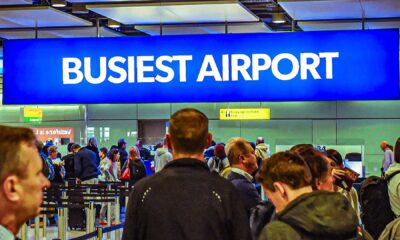
Dubai International Crowned Busiest Airport for A380 Flights

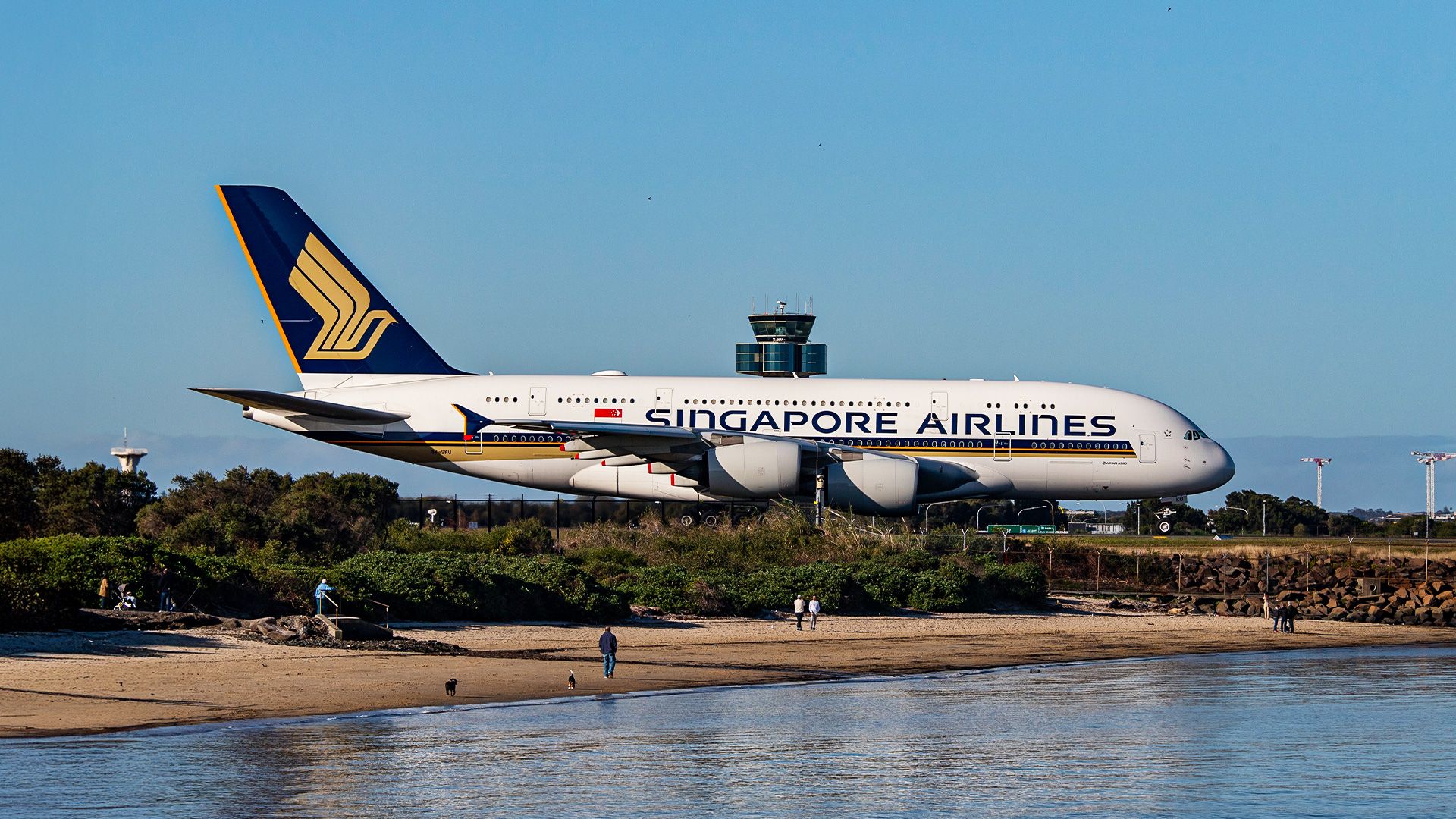
The title of the busiest airport for Airbus A380 flights goes to Dubai International Airport (DXB), which far surpasses its competitors in terms of flight frequency and passenger capacity. According to data from Cirium, in 2026, Dubai recorded an impressive 29,626 A380 flights, providing over 15.1 million seats and generating nearly 58.7 billion Available Seat Miles (ASMs). This significant traffic volume highlights not only the airport’s capacity but also the strategic impact of Emirates, the world’s largest A380 operator.
Dubai’s Dominance in A380 Operations
Dubai’s lead in A380 operations is substantial. In comparison, London Heathrow Airport (LHR) logged 6,974 A380 flights, while Singapore Changi Airport (SIN) recorded 5,684 flights. The disparity is stark, with Dubai operating more than four times the number of A380 flights compared to Heathrow and over five times more than Singapore. The concentration of A380 operations at Dubai can largely be attributed to Emirates, which maintains a fleet of 116 A380s, more than the combined total of all other global operators.
Emirates has built its global network around the A380, utilizing it for routes that span Europe, Asia, North America, and Australia. The airline has emphasized the aircraft’s capacity and comfort, featuring onboard lounges and private suites in First Class. Sir Tim Clark, President of Emirates, has consistently highlighted the importance of high-capacity aircraft in fulfilling the needs of slot-constrained airports.
Factors Driving A380 Traffic
Several factors contribute to the high volume of A380 flights at Dubai International. First, the hub strategy employed by Emirates maximizes the frequency of flights. The airline’s large fleet allows it to operate multiple daily rotations, significantly increasing its overall movements. In contrast, British Airways operates only 12 A380s and Singapore Airlines has a smaller fleet, leading to fewer overall flights.
Infrastructure readiness at airports is another critical element. The A380 requires specialized facilities, including reinforced taxiways and dual boarding bridges. Dubai has invested heavily in A380-capable infrastructure, including a dedicated concourse specifically designed for the superjumbo. London Heathrow has made upgrades to accommodate the aircraft, but slot limitations restrict its growth potential. Singapore Changi was an early adopter of A380-ready facilities, reflecting its status as the launch customer for the aircraft.
The geographical positioning of Dubai also plays a role in its success as an A380 hub. The airport serves as a strategic connector between Europe, Asia, Africa, and Oceania, allowing it to capture significant connecting traffic. Emirates operates trunk routes to high-demand destinations, ensuring that flights consistently fill over 500 seats.
The A380’s future remains a topic of interest as airlines reevaluate their fleets. The production of the A380 officially ended in 2021, and some airlines have begun retiring their fleets or reducing capacity. If Emirates shifts focus to newer aircraft like the Airbus A350 or Boeing 777X, this could alter the current landscape of A380 operations.
For now, Dubai International stands as the unequivocal leader in A380 traffic, with nearly 30,000 recorded flights, more than 15 million seats, and approximately 59 billion ASMs. As long as Emirates continues its commitment to this aircraft, Dubai is likely to maintain its status as the world’s busiest A380 airport.









Belfast Gears Up for Vibrant St Patrick’s Day Parade on March 17

Cuba Faces Nationwide Blackout Amid Deepening Energy Crisis

Wirral Council to Restructure Leadership, Cutting Two Top Roles

Rethinking Resistance Training: Key Insights from US Experts

EU Membership on the Horizon: What It Means for Citizens

Ukrainian Drone Swarms Strike Moscow Region for Second Day

Henley Launches Innovative Initiative to Boost Local Economy

Court Ruling Allows Pandemic Tax Refund Claims Until 2026

Sean Penn’s Absence at 2026 Oscars Sparks Discussion

Coronation Street’s Shocking Murder Twist Reveals Family Secrets

Andrew Pierce Confirms Departure from ITV’s Good Morning Britain

Katie Price Faces New Health Concerns After Cancer Symptoms Resurface

Gyles Brandreth Shares Grandson’s Cancer Battle and Recovery

Sue Radford Reveals Weight Loss Journey, Shedding 12–13 kg

Kate Garraway Sells £2 Million Home Amid Financial Struggles

Jordan Brook Faces Health Crisis in Hospital as Sophie Kasaei Stays Away

EastEnders’ Nicola Mitchell Faces Unexpected Pregnancy Crisis

Reddit Study Reveals Distinctions Between Lurkers and Power Users
-
 World8 months ago
Coronation Street’s Shocking Murder Twist Reveals Family Secrets
-
 Entertainment8 months ago
Andrew Pierce Confirms Departure from ITV’s Good Morning Britain
-
 Health12 months ago
Katie Price Faces New Health Concerns After Cancer Symptoms Resurface
-
 Health7 months ago
Gyles Brandreth Shares Grandson’s Cancer Battle and Recovery
-
 Health7 months ago
Sue Radford Reveals Weight Loss Journey, Shedding 12–13 kg
-
 Entertainment1 year ago
Kate Garraway Sells £2 Million Home Amid Financial Struggles
-
 Entertainment5 months ago
Jordan Brook Faces Health Crisis in Hospital as Sophie Kasaei Stays Away
-
 World10 months ago
EastEnders’ Nicola Mitchell Faces Unexpected Pregnancy Crisis
-
 Science8 months ago
Reddit Study Reveals Distinctions Between Lurkers and Power Users
-

 World9 months ago
Mother Charged After Son, 9, Killed in Tragic Incident in Italy
-

 Entertainment12 months ago
Ann Ming Reflects on ITV’s ‘I Fought the Law’ Drama
-

 World9 months ago
Bailey Announces Heartbreaking Split from Rebecca After Reunion