
Top Stories
Trump Plans to Reduce Meetings in 2026, Claims Health Is ‘Perfect’

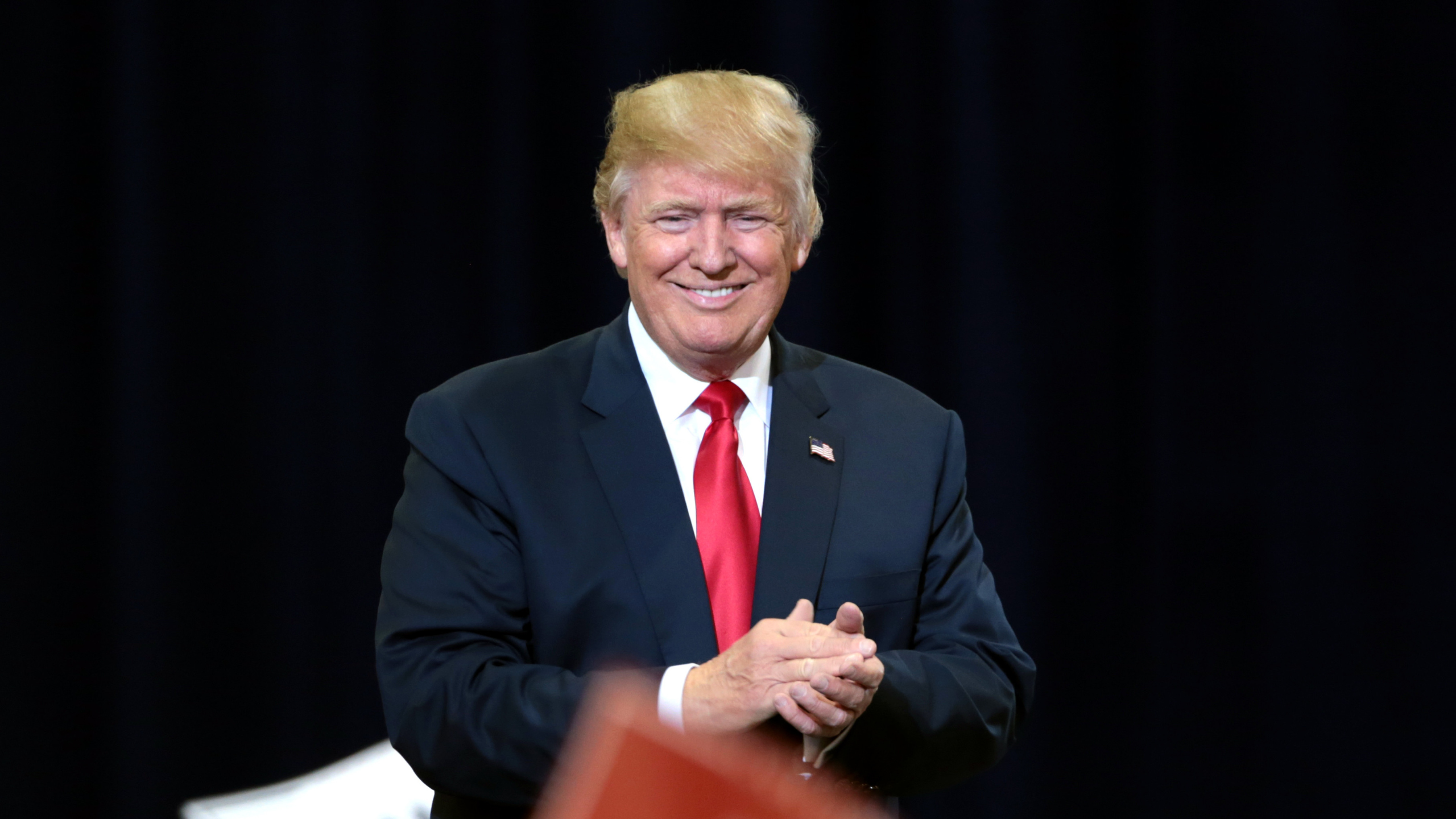
President Donald Trump has announced intentions to scale back his participation in meetings throughout 2026, despite asserting that his health is in prime condition. This decision, which comes as scrutiny surrounding his energy levels increases, reflects a strategic shift in how he plans to manage his presidential duties.
Reports have surfaced suggesting that Trump has experienced fatigue during high-level briefings, with instances of him appearing to doze off. While these claims have been dismissed by his administration as politically motivated, the proposed changes to his schedule indicate a desire to optimize his time and energy. In a recent phone interview, Trump expressed his intent to focus on essential meetings that involve high-stakes negotiations and critical policy discussions, rather than bureaucratic formalities.
In addressing concerns about his health, Trump stated, “Let’s talk about health again for the 25th time. My health is perfect.” His comments were made during an interview with the Wall Street Journal, where he reiterated that this adjustment is not a sign of decline but a move towards increased executive efficiency.
Concerns About Energy Levels
Critics of the President argue that his decision to limit meetings reflects the physical toll of the presidency on the 79-year-old leader. Trump has frequently mentioned his unconventional sleep patterns, admitting to being a “not a big sleeper.” He claimed that he often communicates with his aides at early hours, even at 02:00, which has led to some staff members preferring not to join him on Air Force One due to his energetic and always-active presence.
Former physician Dr. Ronny Jackson has commented on Trump’s sleep habits, asserting that the President is one of those individuals who does not require much rest. “He’s just one of those people that just does not require a lot of sleep,” Jackson stated. This sentiment was echoed by Kaitlan Collins, a correspondent with CNN, who noted that staff were often hesitant to accompany Trump due to his late-night activities.
‘Dozy Don’ Narrative Gains Traction
The narrative surrounding Trump’s alleged fatigue, dubbed “Dozy Don,” has gained momentum following reports that he has dozed off during crucial meetings. In a notable incident, he reportedly slept for approximately 20 minutes in the Oval Office during a discussion on national security. Yet, in a separate meeting discussing substantial aid for US farmers, Trump abruptly awoke and contributed to the conversation, as if he had been attentive throughout.
In response to these incidents, Trump clarified that he does not actually fall asleep during meetings. Instead, he described closing his eyes as a form of relaxation, stating, “Sometimes they’ll take a picture of me blinking, and they’ll catch me with the blink.” His administration continues to assert that he is in “excellent health” and capable of fulfilling his responsibilities as President.
As Trump prepares for the upcoming year, his focus on efficiency and strategic involvement in high-level discussions will be closely monitored, especially in light of the ongoing concerns regarding his health and energy levels.








Belfast Gears Up for Vibrant St Patrick’s Day Parade on March 17

Cuba Faces Nationwide Blackout Amid Deepening Energy Crisis

Wirral Council to Restructure Leadership, Cutting Two Top Roles

Rethinking Resistance Training: Key Insights from US Experts

EU Membership on the Horizon: What It Means for Citizens

Ukrainian Drone Swarms Strike Moscow Region for Second Day

Henley Launches Innovative Initiative to Boost Local Economy

Court Ruling Allows Pandemic Tax Refund Claims Until 2026

Sean Penn’s Absence at 2026 Oscars Sparks Discussion

Coronation Street’s Shocking Murder Twist Reveals Family Secrets

Andrew Pierce Confirms Departure from ITV’s Good Morning Britain

Katie Price Faces New Health Concerns After Cancer Symptoms Resurface

Sue Radford Reveals Weight Loss Journey, Shedding 12–13 kg

Kate Garraway Sells £2 Million Home Amid Financial Struggles

Jordan Brook Faces Health Crisis in Hospital as Sophie Kasaei Stays Away

EastEnders’ Nicola Mitchell Faces Unexpected Pregnancy Crisis

Bailey Announces Heartbreaking Split from Rebecca After Reunion

Ann Ming Reflects on ITV’s ‘I Fought the Law’ Drama
-
 World4 months ago
Coronation Street’s Shocking Murder Twist Reveals Family Secrets
-
 Entertainment4 months ago
Andrew Pierce Confirms Departure from ITV’s Good Morning Britain
-
 Health7 months ago
Katie Price Faces New Health Concerns After Cancer Symptoms Resurface
-
 Health3 months ago
Sue Radford Reveals Weight Loss Journey, Shedding 12–13 kg
-
 Entertainment8 months ago
Kate Garraway Sells £2 Million Home Amid Financial Struggles
-
 Entertainment4 weeks ago
Jordan Brook Faces Health Crisis in Hospital as Sophie Kasaei Stays Away
-
 World5 months ago
EastEnders’ Nicola Mitchell Faces Unexpected Pregnancy Crisis
-
 World5 months ago
Bailey Announces Heartbreaking Split from Rebecca After Reunion
-
 Entertainment7 months ago
Ann Ming Reflects on ITV’s ‘I Fought the Law’ Drama
-

 Entertainment2 months ago
Selena Gomez’s Name Linked to Epstein: Examining the Claims
-

 Health7 months ago
TOWIE Stars Sophie Kasaei and Jordan Brook Pursue Fertility Treatment
-

 Health8 months ago
Fiona Phillips’ Husband Shares Heartbreaking Update on Her Health