
Top Stories
Nature’s Resilience: How Mousley Bottom Transformed Over Decades

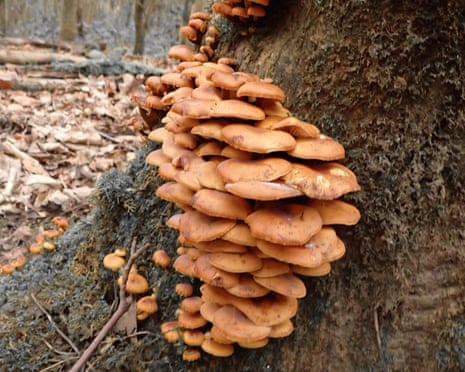
Standing in the wood by the River Goyt, one can witness a remarkable transformation that speaks to nature’s ability to recover and thrive. The area, once blighted by pollution and urban waste, has evolved into a thriving ecosystem, thanks in large part to the vision and efforts of local leaders and community members.
The River Goyt area, adjacent to New Mills, has undergone a significant change over the past four decades. At one time, the landscape was marred by the presence of sewage works, a municipal dump, and gasworks that produced toxic town gas from coal tar. The river, long used as a dumping ground, struggled to support any form of wildlife. The transformation of Mousley Bottom from a heavily polluted site to a vibrant park illustrates the potential for ecological restoration.
The late Sir Martin Doughty played a pivotal role in this transformation. Serving on the council from the age of 26, he championed the vision for a cleaner, greener space. His initiatives led to the planting of over 22,000 trees, including 500 oak trees planted by local schoolchildren. These trees, along with habitat creation efforts by the council’s ranger team, have revitalized the area.
Despite facing budget cuts that reduced ranger resources from 300 days a year to a mere five, the council’s efforts have successfully turned what was once a degraded site into a beautiful town park. The new woodland has become a popular riverside walk and tourist attraction, demonstrating that even the most challenging environments can be restored.
The ecological success of Mousley Bottom highlights the importance of collaboration among various organisms. The unseen network of archaebacteria, actinomycetes, nematodes, and other microorganisms plays a crucial role in supporting visible life forms, from plants to mammals. This intricate relationship underscores that nature’s recovery is a collective effort involving countless species, many of which remain invisible to the naked eye.
As visitors stroll through the rejuvenated landscape today, they are reminded that the environment is resilient. The serene sounds of nature, including the calls of ravens and the melodious songs of wrens, now fill the air, replacing the dissonance of industrial past. The success of Mousley Bottom serves as a powerful example of the possibilities that arise when communities unite for environmental restoration.
In a time when ecological concerns dominate global discourse, the story of Mousley Bottom offers a hopeful perspective on what can be achieved through vision, commitment, and collective action. As documented in Changing Skies: The Best of the Guardian’s Country Diary, 2018-2024, this transformation not only revitalized a community but also provided a habitat for diverse wildlife, proving that no brownfield site is beyond redemption.

Belfast Gears Up for Vibrant St Patrick’s Day Parade on March 17

Cuba Faces Nationwide Blackout Amid Deepening Energy Crisis

Wirral Council to Restructure Leadership, Cutting Two Top Roles

Rethinking Resistance Training: Key Insights from US Experts

EU Membership on the Horizon: What It Means for Citizens

Ukrainian Drone Swarms Strike Moscow Region for Second Day

Henley Launches Innovative Initiative to Boost Local Economy

Court Ruling Allows Pandemic Tax Refund Claims Until 2026

Sean Penn’s Absence at 2026 Oscars Sparks Discussion

Coronation Street’s Shocking Murder Twist Reveals Family Secrets

Andrew Pierce Confirms Departure from ITV’s Good Morning Britain

Katie Price Faces New Health Concerns After Cancer Symptoms Resurface

Gyles Brandreth Shares Grandson’s Cancer Battle and Recovery

Sue Radford Reveals Weight Loss Journey, Shedding 12–13 kg

Kate Garraway Sells £2 Million Home Amid Financial Struggles

Jordan Brook Faces Health Crisis in Hospital as Sophie Kasaei Stays Away

EastEnders’ Nicola Mitchell Faces Unexpected Pregnancy Crisis

Reddit Study Reveals Distinctions Between Lurkers and Power Users
-
 World9 months ago
Coronation Street’s Shocking Murder Twist Reveals Family Secrets
-
 Entertainment9 months ago
Andrew Pierce Confirms Departure from ITV’s Good Morning Britain
-
 Health12 months ago
Katie Price Faces New Health Concerns After Cancer Symptoms Resurface
-
 Health7 months ago
Gyles Brandreth Shares Grandson’s Cancer Battle and Recovery
-
 Health7 months ago
Sue Radford Reveals Weight Loss Journey, Shedding 12–13 kg
-
 Entertainment1 year ago
Kate Garraway Sells £2 Million Home Amid Financial Struggles
-
 Entertainment5 months ago
Jordan Brook Faces Health Crisis in Hospital as Sophie Kasaei Stays Away
-
 World10 months ago
EastEnders’ Nicola Mitchell Faces Unexpected Pregnancy Crisis
-
 Science9 months ago
Reddit Study Reveals Distinctions Between Lurkers and Power Users
-

 World9 months ago
Mother Charged After Son, 9, Killed in Tragic Incident in Italy
-

 Entertainment12 months ago
Ann Ming Reflects on ITV’s ‘I Fought the Law’ Drama
-

 World9 months ago
Bailey Announces Heartbreaking Split from Rebecca After Reunion