
Top Stories
New Space Race Begins: Competition for Lunar Resources Heats Up

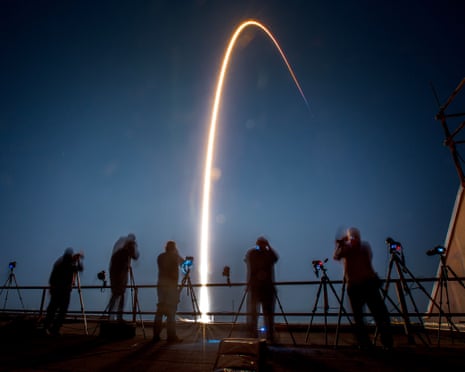
The competition for lunar resources is intensifying as the next phase of space exploration begins. Two significant lunar missions, NASA’s Artemis II and China’s Chang’e 7, are set to launch in 2026, reigniting geopolitical tensions reminiscent of the Cold War space race. This renewed focus on the moon’s south pole, considered a prime location for resource extraction, has drawn attention from both the United States and a coalition led by China.
The moon’s south pole is gaining recognition for its unique features, including “peaks of eternal light” suitable for solar energy generation and ice deposits that could potentially support future lunar colonies. This lunar competition is framed under the concept of “peaceful exploration,” yet it raises concerns about the implications of exploiting extraterrestrial resources. The 1967 UN Outer Space Treaty was designed to prevent such exploitation; however, it is vague regarding private claims, creating a loophole that has led to a surge in private sector interest.
The strategic landscape is shifting as the United States diminishes its financial support for NASA, aiming to encourage private sector leadership in space exploration. This shift is part of the Artemis Accords, signed by over 40 nations, which seek to extend Earthly ownership structures into outer space. Notable tech entrepreneurs, including Elon Musk and Jeff Bezos, are at the forefront of this movement, with Musk planning to take his space exploration company SpaceX public in 2026 with a target valuation of $1.5 trillion.
In contrast, the International Lunar Research Station, a joint project between China, Russia, and other global partners, reflects a state-driven approach to lunar exploration. Both China and Russia assert that their bases will operate under an international consortium, thereby complying with UN regulations while avoiding dominance by any single nation.
The competition is not limited to resource claims; it extends to technological advancements essential for sustaining human life on the moon. Both the United States and the China-Russia bloc are investing in nuclear fission technologies to support potential lunar colonies. NASA plans to have its reactor operational within five years, while China and Russia project theirs to be running by 2035. This technological race highlights the critical need for reliable power during the lunar night, which lasts approximately 14 Earth days.
The urgency of space exploration is underscored by Earth’s dwindling resources, with humanity consuming natural resources at a rate 1.7 times faster than the planet can regenerate. The desire to establish energy-intensive processes off Earth is gaining traction, particularly among Silicon Valley proponents of off-world solutions. Companies like Google are exploring the feasibility of orbiting data centers powered by solar energy, as traditional Earth-based infrastructure faces ecological and political limitations.
This push for lunar exploration is reminiscent of Kim Stanley Robinson’s science fiction works, particularly the “Mars trilogy,” which explores themes of colonialism and resource utilization. The parallels between fictional narratives and current motivations for lunar exploration raise important questions about humanity’s ability to manage its old political and economic struggles in new environments. Robinson’s cautionary tales suggest that before expanding to other worlds, humanity must first learn to coexist sustainably on its own.
As various countries and private entities navigate the complexities of lunar exploration, the implications of their actions will shape not only the future of space but also the ethical considerations surrounding resource utilization. The current trajectory suggests a potential for a new form of extraction, echoing past behaviors on Earth rather than fostering a collaborative and sustainable approach to interplanetary exploration.
The evolving space law landscape, including the 2015 Space Act in the United States, allows for the mining of asteroids and lunar resources, further complicating the notion of shared cosmic heritage. As the debate continues, the question remains: can humanity truly escape its historical patterns as it ventures into the cosmos? The coming years will be crucial in determining how these dynamics unfold and their impact on both Earth and its celestial neighbors.









Belfast Gears Up for Vibrant St Patrick’s Day Parade on March 17

Cuba Faces Nationwide Blackout Amid Deepening Energy Crisis

Wirral Council to Restructure Leadership, Cutting Two Top Roles

Rethinking Resistance Training: Key Insights from US Experts

EU Membership on the Horizon: What It Means for Citizens

Ukrainian Drone Swarms Strike Moscow Region for Second Day

Henley Launches Innovative Initiative to Boost Local Economy

Court Ruling Allows Pandemic Tax Refund Claims Until 2026

Sean Penn’s Absence at 2026 Oscars Sparks Discussion

Coronation Street’s Shocking Murder Twist Reveals Family Secrets

Andrew Pierce Confirms Departure from ITV’s Good Morning Britain

Katie Price Faces New Health Concerns After Cancer Symptoms Resurface

Gyles Brandreth Shares Grandson’s Cancer Battle and Recovery

Sue Radford Reveals Weight Loss Journey, Shedding 12–13 kg

Kate Garraway Sells £2 Million Home Amid Financial Struggles

Jordan Brook Faces Health Crisis in Hospital as Sophie Kasaei Stays Away

EastEnders’ Nicola Mitchell Faces Unexpected Pregnancy Crisis

Reddit Study Reveals Distinctions Between Lurkers and Power Users
-
 World8 months ago
Coronation Street’s Shocking Murder Twist Reveals Family Secrets
-
 Entertainment8 months ago
Andrew Pierce Confirms Departure from ITV’s Good Morning Britain
-
 Health12 months ago
Katie Price Faces New Health Concerns After Cancer Symptoms Resurface
-
 Health7 months ago
Gyles Brandreth Shares Grandson’s Cancer Battle and Recovery
-
 Health7 months ago
Sue Radford Reveals Weight Loss Journey, Shedding 12–13 kg
-
 Entertainment1 year ago
Kate Garraway Sells £2 Million Home Amid Financial Struggles
-
 Entertainment5 months ago
Jordan Brook Faces Health Crisis in Hospital as Sophie Kasaei Stays Away
-
 World10 months ago
EastEnders’ Nicola Mitchell Faces Unexpected Pregnancy Crisis
-
 Science8 months ago
Reddit Study Reveals Distinctions Between Lurkers and Power Users
-

 World9 months ago
Mother Charged After Son, 9, Killed in Tragic Incident in Italy
-

 Entertainment12 months ago
Ann Ming Reflects on ITV’s ‘I Fought the Law’ Drama
-

 World9 months ago
Bailey Announces Heartbreaking Split from Rebecca After Reunion