
Top Stories
Keir Starmer Expresses Regret Over Alaa Abd El-Fattah’s Release Reaction

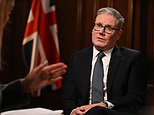
Keir Starmer, the leader of the British Labour Party, has publicly acknowledged his regret regarding his previous enthusiasm for the release of Alaa Abd El-Fattah, an Anglo-Egyptian dissident. This admission comes amid ongoing controversy surrounding Abd El-Fattah’s social media activity, which has been described by critics as anti-Semitic.
Initially, Starmer expressed his pleasure at the announcement of Abd El-Fattah’s release by the Cairo government shortly before Christmas in December 2023. He characterized the event as a significant step towards justice and freedom for political prisoners. However, recent scrutiny of Abd El-Fattah’s past comments has prompted Starmer to reevaluate his stance.
In a statement, Starmer remarked that while he welcomed the release itself, he regrets not fully considering the implications of Abd El-Fattah’s previous statements. The backlash intensified after a series of tweets surfaced, which many have condemned for their perceived anti-Semitic content. This has led to calls from various factions within the Labour Party for a more measured approach to similar future endorsements.
The controversy has also sparked a broader discussion regarding the Labour Party’s stance on human rights and the complexities of international relations. Some party members argue that supporting dissidents should come with a thorough understanding of their beliefs and actions, especially those that may contradict the party’s values.
Starmer’s comments reflect a growing awareness of the need for political leaders to navigate these issues delicately. In a landscape where social media can amplify past remarks, politicians are increasingly held accountable for the figures they choose to support. The incident has raised questions about political endorsements and the responsibilities that come with them.
As the Labour Party continues to address this situation, Starmer’s regret serves as a reminder of the careful consideration required in political advocacy. He has indicated that moving forward, he intends to engage in deeper discussions about the implications of supporting individuals whose views may not align with the party’s core principles.
This development highlights the intricate balance that leaders must maintain when addressing human rights issues while also ensuring that their actions do not inadvertently endorse harmful ideologies. The ongoing dialogue within the party may shape its future approach to similar situations, reinforcing the importance of aligning political support with ethical considerations.
Moving forward, the Labour Party is likely to face more scrutiny as it navigates the complexities of international advocacy, ensuring that its commitments to human rights do not conflict with its foundational values.











Belfast Gears Up for Vibrant St Patrick’s Day Parade on March 17

Cuba Faces Nationwide Blackout Amid Deepening Energy Crisis

Wirral Council to Restructure Leadership, Cutting Two Top Roles

Rethinking Resistance Training: Key Insights from US Experts

EU Membership on the Horizon: What It Means for Citizens

Ukrainian Drone Swarms Strike Moscow Region for Second Day

Henley Launches Innovative Initiative to Boost Local Economy

Court Ruling Allows Pandemic Tax Refund Claims Until 2026

Sean Penn’s Absence at 2026 Oscars Sparks Discussion

Coronation Street’s Shocking Murder Twist Reveals Family Secrets

Andrew Pierce Confirms Departure from ITV’s Good Morning Britain

Katie Price Faces New Health Concerns After Cancer Symptoms Resurface

Sue Radford Reveals Weight Loss Journey, Shedding 12–13 kg

Kate Garraway Sells £2 Million Home Amid Financial Struggles

Jordan Brook Faces Health Crisis in Hospital as Sophie Kasaei Stays Away

EastEnders’ Nicola Mitchell Faces Unexpected Pregnancy Crisis

Bailey Announces Heartbreaking Split from Rebecca After Reunion

Ann Ming Reflects on ITV’s ‘I Fought the Law’ Drama
-
 World4 months ago
Coronation Street’s Shocking Murder Twist Reveals Family Secrets
-
 Entertainment4 months ago
Andrew Pierce Confirms Departure from ITV’s Good Morning Britain
-
 Health7 months ago
Katie Price Faces New Health Concerns After Cancer Symptoms Resurface
-
 Health3 months ago
Sue Radford Reveals Weight Loss Journey, Shedding 12–13 kg
-
 Entertainment8 months ago
Kate Garraway Sells £2 Million Home Amid Financial Struggles
-
 Entertainment4 weeks ago
Jordan Brook Faces Health Crisis in Hospital as Sophie Kasaei Stays Away
-
 World5 months ago
EastEnders’ Nicola Mitchell Faces Unexpected Pregnancy Crisis
-
 World5 months ago
Bailey Announces Heartbreaking Split from Rebecca After Reunion
-
 Entertainment7 months ago
Ann Ming Reflects on ITV’s ‘I Fought the Law’ Drama
-

 Entertainment2 months ago
Selena Gomez’s Name Linked to Epstein: Examining the Claims
-

 Health7 months ago
TOWIE Stars Sophie Kasaei and Jordan Brook Pursue Fertility Treatment
-

 Health8 months ago
Fiona Phillips’ Husband Shares Heartbreaking Update on Her Health