
Top Stories
Controversial Remarks on Historical Figure Spark Debate in Politics

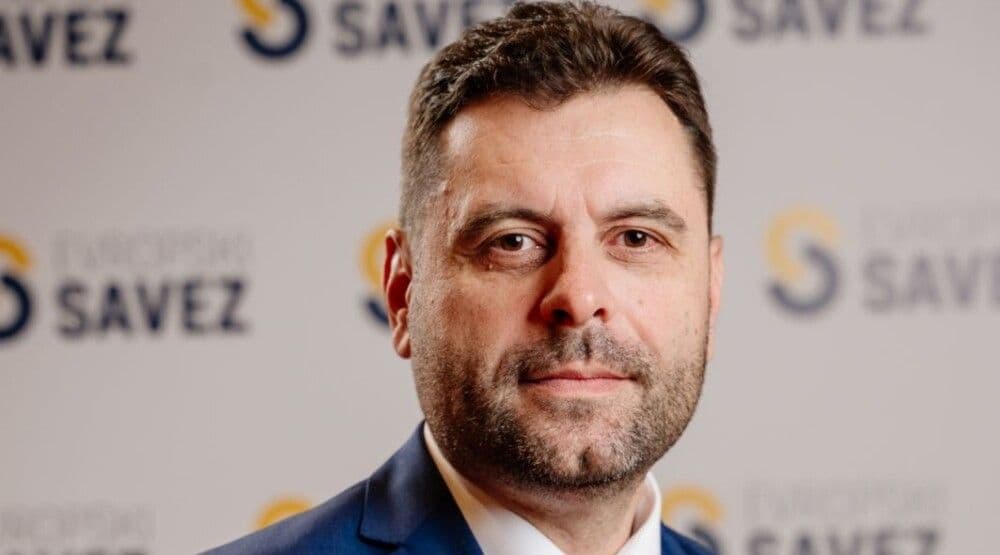
Comments made by Ivan Vujović, the president of the Social Democratic Party (SDP) and a prominent leader within the European Union, regarding the historical figure Pavle Đurišić, have ignited controversy. Vujović characterized Đurišić, a mass murderer, as a “controversial personality,” a statement that has drawn criticism and sparked discussions about the implications of such language in political discourse.
Vujović’s remarks were made public via a post on the social media platform known as X, where he attempted to provide a nuanced view of Đurišić’s legacy. He noted that while Đurišić was responsible for the deaths of thousands of civilians, including women and children, he also suggested that there were “good sides” to Đurišić’s character. This perspective raised eyebrows, as it appeared to downplay the severity of Đurišić’s actions during World War II, when he collaborated with the Nazis.
In his statement, Vujović remarked, “For Filip Ivanović, Đurišić is a controversial figure, which means he had some good sides. Yes, he made mistakes—he served the Nazis and killed thousands, but according to Ivanović’s perception, he is not simply a villain or a killer.” This comment has led to widespread condemnation, with many arguing that such rhetoric trivializes the atrocities committed by historical figures like Đurišić.
Vujović further drew parallels between Đurišić and other historical figures, suggesting that even notorious leaders like Adolf Hitler could be viewed through a lens of complexity. “Hitler was controversial too; he killed millions, yet had some positive traits—he was a vegetarian, did not smoke, and avoided alcohol,” Vujović claimed. This comparison has been met with criticism for its insensitivity and perceived attempt to normalize the discussion around war crimes.
The backlash has highlighted a broader concern about the values and narratives propagated by political parties in the region. Vujović’s comments reflect what he described as the value system of PES (Progressive Alliance of Socialists and Democrats), suggesting that ambiguity in moral judgment is becoming more prevalent in political conversations. “The essence of that system is that there are no values; everything can be interpreted in multiple ways,” he concluded.
Critics argue that such comments not only distort historical truth but also risk undermining the moral fabric of contemporary society. The debate continues as political leaders and historians grapple with how to appropriately discuss figures like Đurišić, whose actions have left a lasting impact on the region’s history.
As the conversation evolves, it remains to be seen how Vujović’s remarks will affect political discourse within the SDP and the broader context of European politics, particularly concerning the historical reckoning with collaboration and complicity during periods of conflict.








Belfast Gears Up for Vibrant St Patrick’s Day Parade on March 17

Cuba Faces Nationwide Blackout Amid Deepening Energy Crisis

Wirral Council to Restructure Leadership, Cutting Two Top Roles

Rethinking Resistance Training: Key Insights from US Experts

EU Membership on the Horizon: What It Means for Citizens

Ukrainian Drone Swarms Strike Moscow Region for Second Day

Henley Launches Innovative Initiative to Boost Local Economy

Court Ruling Allows Pandemic Tax Refund Claims Until 2026

Sean Penn’s Absence at 2026 Oscars Sparks Discussion

Coronation Street’s Shocking Murder Twist Reveals Family Secrets

Andrew Pierce Confirms Departure from ITV’s Good Morning Britain

Katie Price Faces New Health Concerns After Cancer Symptoms Resurface

Sue Radford Reveals Weight Loss Journey, Shedding 12–13 kg

Kate Garraway Sells £2 Million Home Amid Financial Struggles

Jordan Brook Faces Health Crisis in Hospital as Sophie Kasaei Stays Away

EastEnders’ Nicola Mitchell Faces Unexpected Pregnancy Crisis

Bailey Announces Heartbreaking Split from Rebecca After Reunion

Ann Ming Reflects on ITV’s ‘I Fought the Law’ Drama
-
 World4 months ago
Coronation Street’s Shocking Murder Twist Reveals Family Secrets
-
 Entertainment4 months ago
Andrew Pierce Confirms Departure from ITV’s Good Morning Britain
-
 Health7 months ago
Katie Price Faces New Health Concerns After Cancer Symptoms Resurface
-
 Health3 months ago
Sue Radford Reveals Weight Loss Journey, Shedding 12–13 kg
-
 Entertainment8 months ago
Kate Garraway Sells £2 Million Home Amid Financial Struggles
-
 Entertainment4 weeks ago
Jordan Brook Faces Health Crisis in Hospital as Sophie Kasaei Stays Away
-
 World5 months ago
EastEnders’ Nicola Mitchell Faces Unexpected Pregnancy Crisis
-
 World5 months ago
Bailey Announces Heartbreaking Split from Rebecca After Reunion
-
 Entertainment7 months ago
Ann Ming Reflects on ITV’s ‘I Fought the Law’ Drama
-

 Entertainment2 months ago
Selena Gomez’s Name Linked to Epstein: Examining the Claims
-

 Health7 months ago
TOWIE Stars Sophie Kasaei and Jordan Brook Pursue Fertility Treatment
-

 Health7 months ago
Fiona Phillips’ Husband Shares Heartbreaking Update on Her Health