
Lifestyle
EU Delays Montenegro’s Accession Talks Amid Democratic Concerns

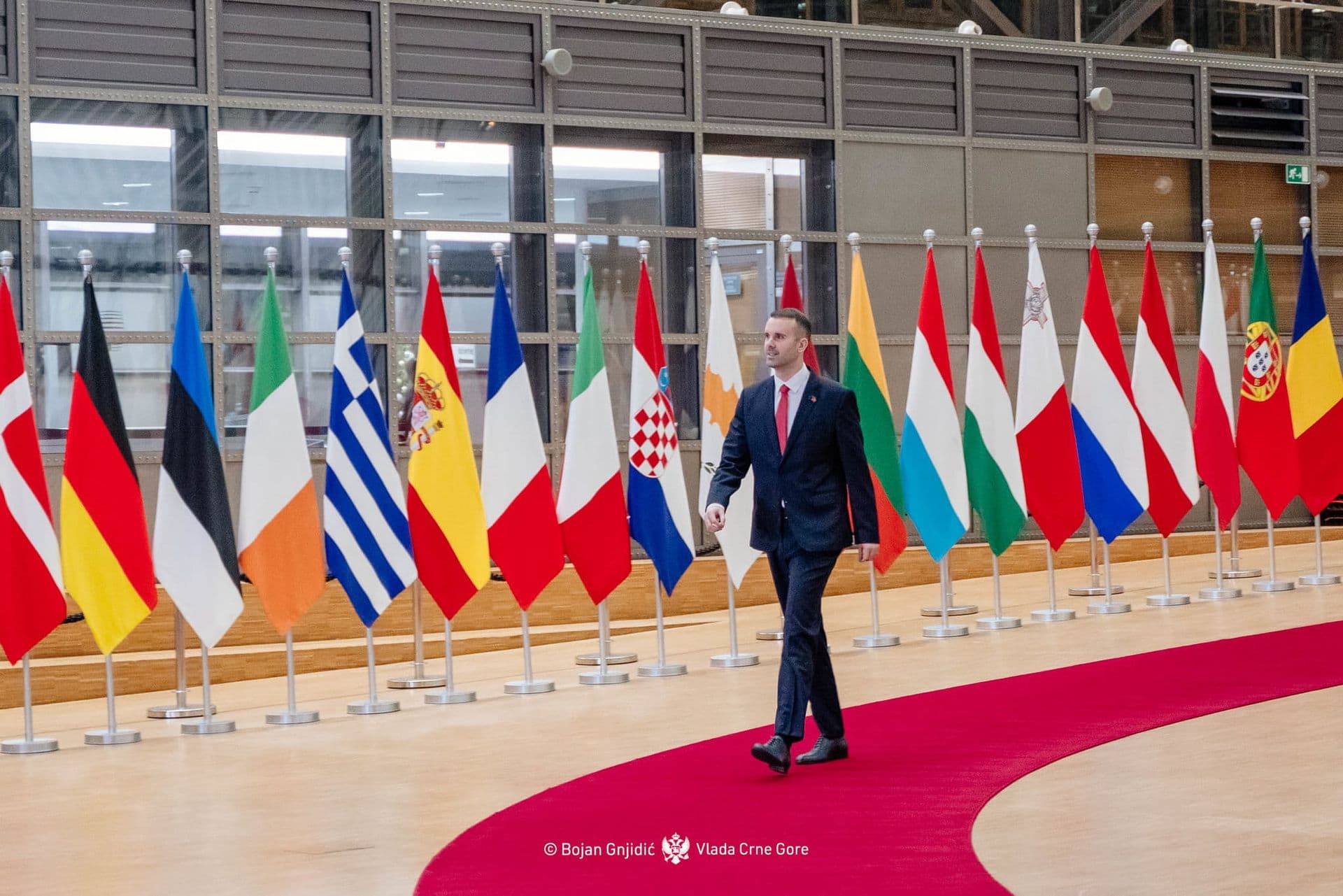
The European Union has decided not to move forward with the drafting of an accession agreement for Montenegro, as concerns about democratic backsliding persist. This decision underscores the EU’s priority to prevent any new member state from becoming a problematic member, similar to the situation in Hungary.
Montenegro, which is nearing the end of its accession negotiations, is being viewed as a test case by the EU, according to POLITICO. President Jakov Milatović has indicated that discussions regarding the future of Montenegro’s EU membership have been ongoing, including during his recent visit to Ireland, which will hold the EU Council presidency in the latter half of this year.
The European Commission aims to introduce “long-term protective measures” in Montenegro’s accession agreement to ensure that the EU can respond effectively if the small Balkan nation regresses in terms of democracy or the rule of law. An official from the European Commission, who spoke on the condition of anonymity due to the sensitive nature of the negotiations, emphasized the significance of this agreement, stating that it will set the framework for future accession treaties.
Montenegro is not alone in its struggle to join the EU. Ukraine is advocating for membership by 2027 as part of a peace agreement with Russia, while Iceland plans to hold a referendum on restarting its EU membership talks.
Milatović noted that the exact content of the accession agreement remains uncertain as Montenegro awaits further information from the Commission. The Commission is currently engaged in discussions about lessons learned from the 2004 enlargement, when Hungary, Slovakia, and eight other countries joined the bloc.
A key question being debated is whether the EU has the capacity to respond to regression among its members. The situation in Hungary, under the leadership of Viktor Orbán, serves as a cautionary tale, as Budapest has obstructed EU sanctions against Russia and funding for Ukraine. The Commission’s priority is to prevent Montenegro and other potential members from becoming “Hungary 2.0.”
The drafting of Montenegro’s accession agreement will be managed by a working group organized under the Cyprus presidency of the Council, with contributions from all EU member states. A spokesperson for the Cypriot presidency declined to say when the working group would be established. However, a Commission official indicated this would happen within “a few weeks,” with two European diplomats confirming that this is anticipated to occur this month.
European Commissioner for Enlargement Marta Kos stated that the Commission is “currently in the final stages of preparing the draft agreement,” although no specific timeline has been provided.
France remains the sole country opposing the drafting of the accession agreement, adopting a cautious stance on EU enlargement ahead of the presidential elections in 2027. A senior EU diplomat remarked that efforts are underway to persuade France to agree to the process.
The exact nature of the proposed protective measures for Montenegro is still unclear. One diplomat noted that various ideas are circulating, but no concrete proposals have emerged. Some early suggestions include suspending the right of veto if Montenegro or other new members violate core EU values, particularly concerning the rule of law. Another topic of discussion is the duration for which these protective measures should remain in effect.
Previous protective clauses existed for countries that joined in 2004, addressing issues such as the failure to implement internal market rules. However, these could only be activated three years after accession and were not particularly robust.
Montenegro has expressed its opposition to any restrictions on its voting rights within the EU decision-making process. While Podgorica would not mind other protective measures being imposed, it wishes to retain its voice at the decision-making table.
Discussions about enlargement took place during a dinner in Brussels attended by EU ambassadors and Ursula von der Leyen‘s Chief of Staff, Bjoern Seibert. However, the Commission’s proposal to accelerate candidate countries’ memberships through a process termed “reverse enlargement” — granting membership with limited privileges and voting rights — was firmly rejected by three EU diplomats.
The entire process hinges on whether Montenegro can achieve its ambitious goal of becoming the 28th EU member by 2028. To meet this target, Montenegro must adopt numerous laws to align with EU regulations.
Despite the rapid pace of reforms, this has led to significant internal political conflicts. Last month, President Milatović criticized lawmakers for passing legislation without proper reading or discussion, initially refusing to sign them. He stated, “It is not in line with European standards to simply raise your hand and receive a salary,” emphasizing that lawmakers should still exercise due diligence, even if the legislation is essential for EU accession.
Another European diplomat remarked that Montenegro is effectively ceding its democratic processes to Brussels, stating, “But it has no choice if it wants to join the EU by 2028.”
Despite Montenegro’s progress, it remains uncertain whether it can meet the 2028 deadline. The country still has 20 out of 33 accession chapters to close, with plans to finalize Chapter 21, which pertains to trans-European networks, by March. A Montenegrin official indicated that four more chapters are expected to be closed in June, giving Montenegro a tight six-month window to close the remaining 15 chapters by the end of 2026. This timeline is critical, as all current 27 EU member states, including Hungary, must ratify Montenegro’s accession, a process that can be lengthy.
A Commission official confirmed that Montenegro’s ambitious membership goal is “technically feasible,” especially with strong commitment from Podgorica. Nevertheless, the official acknowledged the political complexities involved, stating, “But there is politics, and there is life.”
Milatović agreed on the enormity of the task ahead, stating, “It is not easy to close 20 chapters in less than 10 months.” He emphasized the need for increased effort to meet the ambitious timeline.










Belfast Gears Up for Vibrant St Patrick’s Day Parade on March 17

Cuba Faces Nationwide Blackout Amid Deepening Energy Crisis

Wirral Council to Restructure Leadership, Cutting Two Top Roles

Rethinking Resistance Training: Key Insights from US Experts

EU Membership on the Horizon: What It Means for Citizens

Ukrainian Drone Swarms Strike Moscow Region for Second Day

Henley Launches Innovative Initiative to Boost Local Economy

Court Ruling Allows Pandemic Tax Refund Claims Until 2026

Sean Penn’s Absence at 2026 Oscars Sparks Discussion

Coronation Street’s Shocking Murder Twist Reveals Family Secrets

Andrew Pierce Confirms Departure from ITV’s Good Morning Britain

Katie Price Faces New Health Concerns After Cancer Symptoms Resurface

Gyles Brandreth Shares Grandson’s Cancer Battle and Recovery

Sue Radford Reveals Weight Loss Journey, Shedding 12–13 kg

Kate Garraway Sells £2 Million Home Amid Financial Struggles

Jordan Brook Faces Health Crisis in Hospital as Sophie Kasaei Stays Away

EastEnders’ Nicola Mitchell Faces Unexpected Pregnancy Crisis

Reddit Study Reveals Distinctions Between Lurkers and Power Users
-
 World9 months ago
Coronation Street’s Shocking Murder Twist Reveals Family Secrets
-
 Entertainment8 months ago
Andrew Pierce Confirms Departure from ITV’s Good Morning Britain
-
 Health12 months ago
Katie Price Faces New Health Concerns After Cancer Symptoms Resurface
-
 Health7 months ago
Gyles Brandreth Shares Grandson’s Cancer Battle and Recovery
-
 Health7 months ago
Sue Radford Reveals Weight Loss Journey, Shedding 12–13 kg
-
 Entertainment1 year ago
Kate Garraway Sells £2 Million Home Amid Financial Struggles
-
 Entertainment5 months ago
Jordan Brook Faces Health Crisis in Hospital as Sophie Kasaei Stays Away
-
 World10 months ago
EastEnders’ Nicola Mitchell Faces Unexpected Pregnancy Crisis
-
 Science8 months ago
Reddit Study Reveals Distinctions Between Lurkers and Power Users
-

 World9 months ago
Mother Charged After Son, 9, Killed in Tragic Incident in Italy
-

 Entertainment12 months ago
Ann Ming Reflects on ITV’s ‘I Fought the Law’ Drama
-

 World9 months ago
Bailey Announces Heartbreaking Split from Rebecca After Reunion