
Science
Scottish Football Fuels Economy, Contributes £820 Million Annually

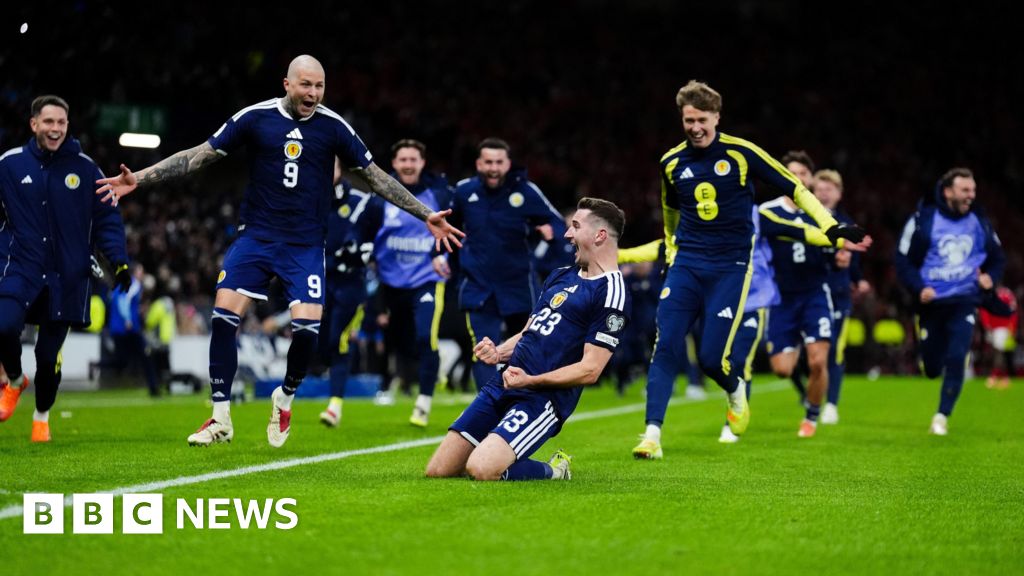
Scottish football has emerged as a significant economic force, contributing over £820 million to the national economy during the 2023/24 season, according to a comprehensive report by the Fraser of Allander Institute. This figure includes the spending of fans attending matches, which highlights the sport’s impact on the country’s financial landscape. Without accounting for spectator-related expenditure, the direct economic contribution of football stands at £545 million, supporting approximately 9,245 full-time jobs. This number rises to 14,315 when matchday spending is factored in.
Report Highlights Economic Impact of Football
The research, commissioned by the Scottish Professional Football League (SPFL), the Scottish Women’s Premier League (SWPL), and the Scottish Football Association (SFA), provides an in-depth analysis of the financial influence football has through daily economic activities. The study examined various facets of the sport, including club revenues, operational spending, and the economic ripple effects across sectors like hospitality and retail due to football activities.
Attendance figures during the season reached an impressive 6.8 million for matches involving Scottish teams. The total turnover of the football sector was estimated at £426 million, representing roughly 20% of the direct gross value added (GVA) generated by Scotland’s sports and recreation sector.
Neil Doncaster, group chief executive of the SPFL, emphasized the extensive economic significance of football clubs and their supporters. He stated, “This new research underlines the hugely significant economic contribution of our clubs and fans right across the country.”
Women’s Football Gains Momentum
The report also highlights the growing economic significance of women’s football, particularly following the integration of the SWPL into the SPFL Group in the 2022/23 season. Women’s match attendance has been steadily rising, accompanied by increased commercial investment and visibility. Fiona McIntyre, managing director of the SWPL, expressed optimism about the future, noting, “It’s extremely encouraging to see independent research clearly demonstrating the positive economic impact of both the men’s and women’s game in Scotland.”
The findings mark a substantial increase from a previous study conducted by the Fraser of Allander Institute in 2020, which reported that SPFL clubs and spectator spending contributed £444 million to Scotland’s GDP and supported around 9,300 full-time equivalent jobs.
The Scottish FA highlighted that the economic advantages identified in the report also correlate with broader social outcomes, particularly in disadvantaged communities. Chief executive Ian Maxwell pointed to initiatives such as the Extra Time programme, which provides essential services like breakfast clubs and after-school care for children. “Football clubs and their supporters have a significant positive impact across Scotland,” he stated, reinforcing the sport’s role in job creation and local business sustainability.
Sports minister Maree Todd welcomed the findings and indicated the government’s intent to further leverage football’s economic contributions. “Our national sport has a positive impact right across Scotland, and it’s very helpful to see how it also makes a major contribution to the Scottish economy,” she remarked.
As Scottish football looks toward future opportunities, including the men’s national team’s participation in the 2026 World Cup in the United States, Canada, and Mexico, there is anticipation of additional economic benefits. Although the tournament will be held overseas, experts expect that associated travel, broadcasting, and fan engagement will further bolster Scotland’s economy.
Prof. Mairi Spowage, director of the Fraser of Allander Institute, concluded that the research serves as a vital evidence base for discussions regarding football’s role in the broader Scottish economy. “Football supports substantial levels of economic activity and employment across the country,” she said, emphasizing the sport’s influence beyond mere entertainment.











Belfast Gears Up for Vibrant St Patrick’s Day Parade on March 17

Cuba Faces Nationwide Blackout Amid Deepening Energy Crisis

Wirral Council to Restructure Leadership, Cutting Two Top Roles

Rethinking Resistance Training: Key Insights from US Experts

EU Membership on the Horizon: What It Means for Citizens

Ukrainian Drone Swarms Strike Moscow Region for Second Day

Henley Launches Innovative Initiative to Boost Local Economy

Court Ruling Allows Pandemic Tax Refund Claims Until 2026

Sean Penn’s Absence at 2026 Oscars Sparks Discussion

Coronation Street’s Shocking Murder Twist Reveals Family Secrets

Andrew Pierce Confirms Departure from ITV’s Good Morning Britain

Katie Price Faces New Health Concerns After Cancer Symptoms Resurface

Sue Radford Reveals Weight Loss Journey, Shedding 12–13 kg

Kate Garraway Sells £2 Million Home Amid Financial Struggles

Jordan Brook Faces Health Crisis in Hospital as Sophie Kasaei Stays Away

EastEnders’ Nicola Mitchell Faces Unexpected Pregnancy Crisis

Bailey Announces Heartbreaking Split from Rebecca After Reunion

Ann Ming Reflects on ITV’s ‘I Fought the Law’ Drama
-
 World4 months ago
Coronation Street’s Shocking Murder Twist Reveals Family Secrets
-
 Entertainment4 months ago
Andrew Pierce Confirms Departure from ITV’s Good Morning Britain
-
 Health7 months ago
Katie Price Faces New Health Concerns After Cancer Symptoms Resurface
-
 Health3 months ago
Sue Radford Reveals Weight Loss Journey, Shedding 12–13 kg
-
 Entertainment8 months ago
Kate Garraway Sells £2 Million Home Amid Financial Struggles
-
 Entertainment4 weeks ago
Jordan Brook Faces Health Crisis in Hospital as Sophie Kasaei Stays Away
-
 World5 months ago
EastEnders’ Nicola Mitchell Faces Unexpected Pregnancy Crisis
-
 World5 months ago
Bailey Announces Heartbreaking Split from Rebecca After Reunion
-
 Entertainment7 months ago
Ann Ming Reflects on ITV’s ‘I Fought the Law’ Drama
-

 Entertainment2 months ago
Selena Gomez’s Name Linked to Epstein: Examining the Claims
-

 Health7 months ago
TOWIE Stars Sophie Kasaei and Jordan Brook Pursue Fertility Treatment
-

 Health8 months ago
Fiona Phillips’ Husband Shares Heartbreaking Update on Her Health