
Politics
Political Debate Erupts Over Legal Case Involving Peter Murrell

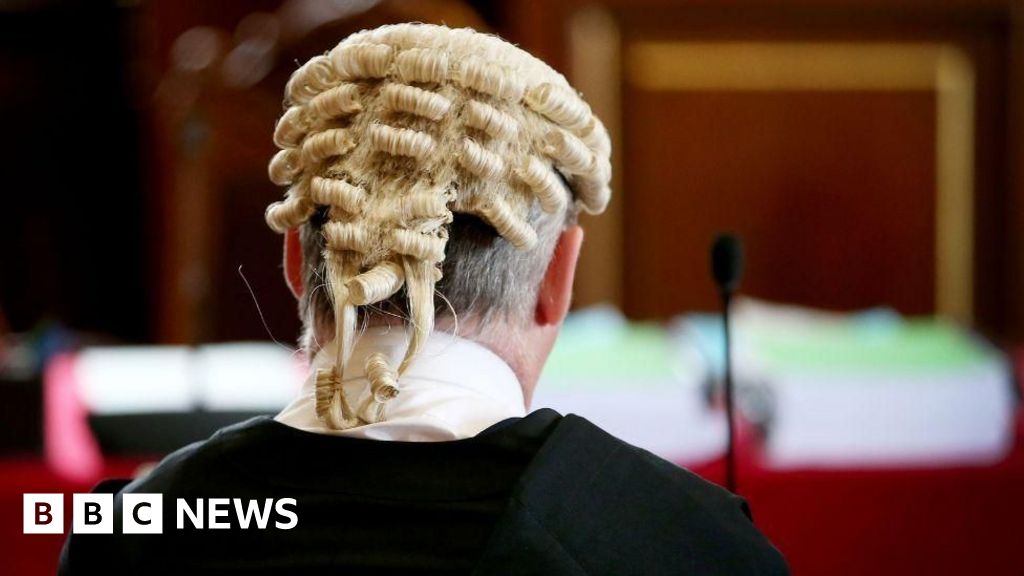
A political storm has unfolded in Scotland as Members of the Scottish Parliament (MSPs) engaged in heated discussions surrounding an ongoing criminal case involving Peter Murrell, former chief executive of the Scottish National Party (SNP). The case revolves around allegations that Murrell embezzled nearly £460,000 from party funds. This situation has prompted questions about the integrity of the judicial process and the potential for political interference.
The controversy began when a preliminary court hearing scheduled for May 25, 2025, was postponed, raising eyebrows among politicians. Douglas Ross, former leader of the Conservative Party, questioned whether discussions had occurred between the government and the courts regarding the delay. The response was a firm denial, but Ross expressed his concerns, stating, “this stinks.” The postponement was attributed to a joint application for a delay from both the defence and prosecution, approved by Judge Lord Young.
This incident highlighted the increasingly blurred lines between Scotland’s political and legal spheres. The case has attracted considerable attention due to Murrell’s long-standing position within the SNP and his marriage to former First Minister Nicola Sturgeon. As details of the allegations became public, it was inevitable that parliamentarians would take note.
Tensions escalated further when Dorothy Bain, the lord advocate and head of the prosecution service, was questioned about a memo she sent to John Swinney, a government minister, in January. The memo revealed details about the indictment served to Murrell and included sensitive information about the case’s progress. This led to accusations of political interference, with MSPs demanding to know why Swinney had access to information not available to the public for over a month.
During a session at Holyrood, Bain faced intense scrutiny from opposition members, particularly from Labour’s Michael Marra and Conservative Russell Findlay. Marra pressed Bain on allegations of political interference, while Findlay escalated the accusations by suggesting that the situation “smacks of corruption.” Bain defended her actions, stating that informing the government about significant developments in major cases is standard practice and necessary to maintain the integrity of the legal process.
The legal community rallied to Bain’s support, with Roddy Dunlop KC, Dean of the Faculty of Advocates, condemning the allegations as “entirely baseless.” He cautioned MSPs against damaging the rule of law with unfounded claims. Swinney also expressed his confidence in Bain, dismissing the accusations as “contemptible rubbish.”
As the political discourse intensified, the opposition claimed that Swinney’s advance knowledge of the indictment provided him with an unfair advantage in responding to the public and media. The government refuted this notion, arguing that the figure involved had been publicly discussed for years, and the timing of court proceedings is generally known.
The situation has reignited discussions around the dual role of the lord advocate as a government minister and head of the prosecution service. Some MSPs are advocating for a separation of powers to mitigate any potential conflicts of interest. A report commissioned by the government in 2024 is currently under consideration, which could lead to significant changes in the structure of the office.
As the election approaches, the atmosphere in Scottish politics is charged, with accusations flying between parties about who is to blame for undermining the legal system. The SNP has countered that the opposition is damaging the rule of law itself, while Labour and the Conservatives argue that the government is jeopardizing the neutrality of the judiciary.
This contentious environment raises critical questions about public trust in political and legal institutions. The ongoing discourse suggests that a larger conversation about the integrity of Scotland’s political landscape is necessary. With both parties and the public feeling increasingly alienated, the response to these developments will have lasting implications for the future of governance in Scotland.








Belfast Gears Up for Vibrant St Patrick’s Day Parade on March 17

Cuba Faces Nationwide Blackout Amid Deepening Energy Crisis

Wirral Council to Restructure Leadership, Cutting Two Top Roles

Rethinking Resistance Training: Key Insights from US Experts

EU Membership on the Horizon: What It Means for Citizens

Ukrainian Drone Swarms Strike Moscow Region for Second Day

Henley Launches Innovative Initiative to Boost Local Economy

Court Ruling Allows Pandemic Tax Refund Claims Until 2026

Sean Penn’s Absence at 2026 Oscars Sparks Discussion

Coronation Street’s Shocking Murder Twist Reveals Family Secrets

Andrew Pierce Confirms Departure from ITV’s Good Morning Britain

Katie Price Faces New Health Concerns After Cancer Symptoms Resurface

Gyles Brandreth Shares Grandson’s Cancer Battle and Recovery

Sue Radford Reveals Weight Loss Journey, Shedding 12–13 kg

Kate Garraway Sells £2 Million Home Amid Financial Struggles

Jordan Brook Faces Health Crisis in Hospital as Sophie Kasaei Stays Away

EastEnders’ Nicola Mitchell Faces Unexpected Pregnancy Crisis

Reddit Study Reveals Distinctions Between Lurkers and Power Users
-
 World8 months ago
Coronation Street’s Shocking Murder Twist Reveals Family Secrets
-
 Entertainment8 months ago
Andrew Pierce Confirms Departure from ITV’s Good Morning Britain
-
 Health11 months ago
Katie Price Faces New Health Concerns After Cancer Symptoms Resurface
-
 Health6 months ago
Gyles Brandreth Shares Grandson’s Cancer Battle and Recovery
-
 Health6 months ago
Sue Radford Reveals Weight Loss Journey, Shedding 12–13 kg
-
 Entertainment12 months ago
Kate Garraway Sells £2 Million Home Amid Financial Struggles
-
 Entertainment5 months ago
Jordan Brook Faces Health Crisis in Hospital as Sophie Kasaei Stays Away
-
 World9 months ago
EastEnders’ Nicola Mitchell Faces Unexpected Pregnancy Crisis
-
 Science8 months ago
Reddit Study Reveals Distinctions Between Lurkers and Power Users
-

 World9 months ago
Mother Charged After Son, 9, Killed in Tragic Incident in Italy
-

 Entertainment11 months ago
Ann Ming Reflects on ITV’s ‘I Fought the Law’ Drama
-

 World9 months ago
Bailey Announces Heartbreaking Split from Rebecca After Reunion