
Science
Dr. Charles Omole Advocates for State Police with Essential Safeguards

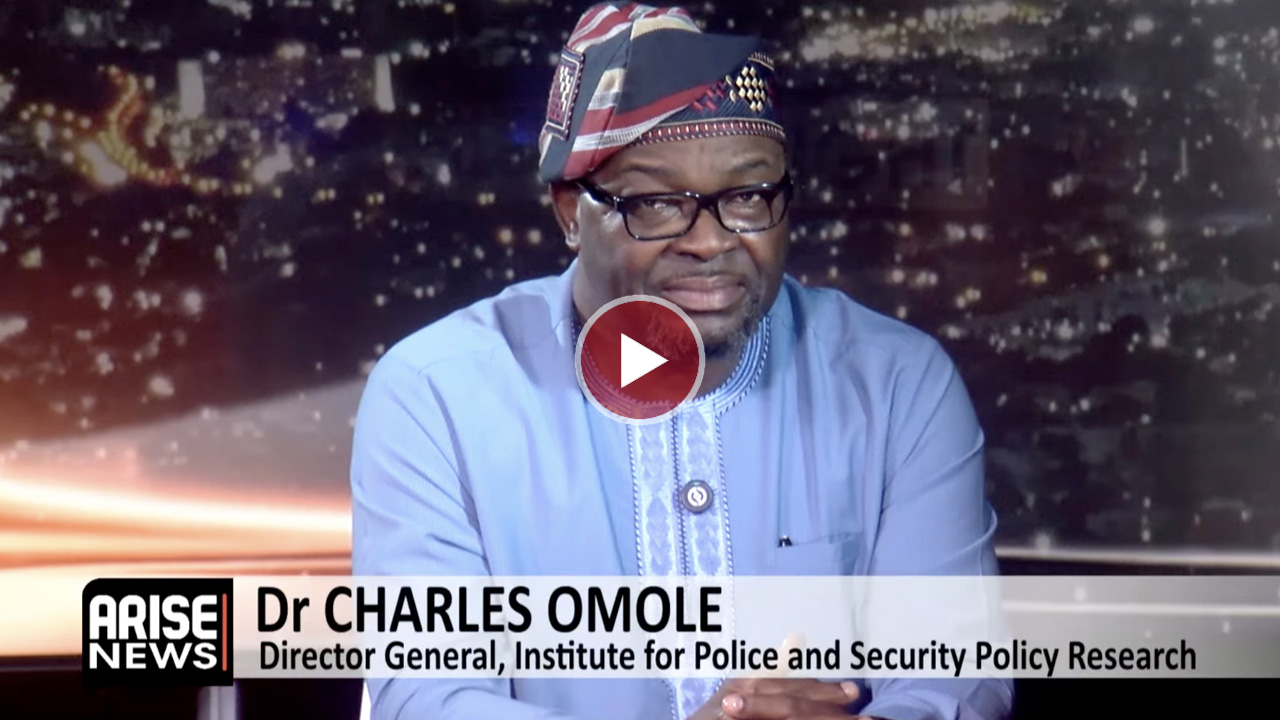
Dr. Charles Omole, Director-General of the Institute for Police and Security Policy Research, has emphasized the necessity of establishing strict safeguards for the successful implementation of state policing in Nigeria. During an interview with ARISE NEWS, he shared insights into the historical context of state policing in the country and responded to recent appeals by President Bola Tinubu for constitutional amendments aimed at facilitating state police.
In his remarks, Dr. Omole highlighted that state policing is not a novel idea in Nigeria, tracing its roots back to the colonial era. He noted, “The colonial masters actually started what we call the ‘local native police.’ Up until 1960, we had what we refer to as the Nigeria Police Force, which functions similarly to a federal police.” His perspective sheds light on the evolution of policing and the importance of contextualizing current discussions around state police.
Cost concerns have emerged as a significant factor influencing governors’ stances on state policing. Dr. Omole explained that the transition to state police would incur substantial expenses, particularly regarding the establishment of state prisons. He stated, “If we are going back to state police, states must now establish their own prisons. And it will come at a cost.” Currently, the Federal Prison Service absorbs the costs associated with prison management, including infrastructure and inmate care, which states would need to budget for if they were to take on these responsibilities.
Key Recommendations for Effective State Policing
Dr. Omole proposed several critical measures that should be implemented to ensure the effectiveness of state policing. He stressed the importance of adopting the Federal Character Principle at the state level to prevent any single group from dominating the police force. “This can be crafted in the laws that are put in place,” he noted, advocating for a balanced approach to policing that reflects the diverse makeup of each state.
Furthermore, he suggested that a federal presidential panel be established to oversee the implementation of state policing, similar to the successful approach taken during recent tax reforms. “The head of that panel should not be a politician,” he advised, emphasizing the need for impartiality and expertise in navigating the complexities of police reform.
Dr. Omole also underscored the necessity for uniformity in police ranks across states to avoid disparities that could undermine the system’s effectiveness. He raised concerns about training protocols, equipment standards, and the relationship between state and federal police forces as essential elements requiring careful consideration.
Another vital aspect of establishing state police involves technical infrastructure. Dr. Omole pointed out the need for interoperability between different state police systems, stating, “We don’t want to have 36 different policing systems in Nigeria and then A can’t talk to B.” He stressed that criteria must be established for states to qualify for their own police forces, including effective crime data storage and sharing capabilities.
Despite his advocacy for state policing, Dr. Omole acknowledged the intricate legal challenges ahead. He remarked, “There will have to be a change. The legal framework is more complicated than people think.” He predicts that the necessary constitutional changes and law revisions could take approximately two to two and a half years to achieve.
Dr. Omole’s insights provide a roadmap for how Nigeria might navigate the complexities of establishing state police. His emphasis on careful planning and implementation underscores the potential for state policing to enhance security while ensuring accountability and inclusivity at the local level.













Belfast Gears Up for Vibrant St Patrick’s Day Parade on March 17

Cuba Faces Nationwide Blackout Amid Deepening Energy Crisis

Wirral Council to Restructure Leadership, Cutting Two Top Roles

Rethinking Resistance Training: Key Insights from US Experts

EU Membership on the Horizon: What It Means for Citizens

Ukrainian Drone Swarms Strike Moscow Region for Second Day

Henley Launches Innovative Initiative to Boost Local Economy

Court Ruling Allows Pandemic Tax Refund Claims Until 2026

Sean Penn’s Absence at 2026 Oscars Sparks Discussion

Coronation Street’s Shocking Murder Twist Reveals Family Secrets

Andrew Pierce Confirms Departure from ITV’s Good Morning Britain

Katie Price Faces New Health Concerns After Cancer Symptoms Resurface

Gyles Brandreth Shares Grandson’s Cancer Battle and Recovery

Sue Radford Reveals Weight Loss Journey, Shedding 12–13 kg

Kate Garraway Sells £2 Million Home Amid Financial Struggles

Jordan Brook Faces Health Crisis in Hospital as Sophie Kasaei Stays Away

EastEnders’ Nicola Mitchell Faces Unexpected Pregnancy Crisis

Reddit Study Reveals Distinctions Between Lurkers and Power Users
-
 World8 months ago
Coronation Street’s Shocking Murder Twist Reveals Family Secrets
-
 Entertainment8 months ago
Andrew Pierce Confirms Departure from ITV’s Good Morning Britain
-
 Health12 months ago
Katie Price Faces New Health Concerns After Cancer Symptoms Resurface
-
 Health7 months ago
Gyles Brandreth Shares Grandson’s Cancer Battle and Recovery
-
 Health7 months ago
Sue Radford Reveals Weight Loss Journey, Shedding 12–13 kg
-
 Entertainment1 year ago
Kate Garraway Sells £2 Million Home Amid Financial Struggles
-
 Entertainment5 months ago
Jordan Brook Faces Health Crisis in Hospital as Sophie Kasaei Stays Away
-
 World9 months ago
EastEnders’ Nicola Mitchell Faces Unexpected Pregnancy Crisis
-
 Science8 months ago
Reddit Study Reveals Distinctions Between Lurkers and Power Users
-

 World9 months ago
Mother Charged After Son, 9, Killed in Tragic Incident in Italy
-

 Entertainment12 months ago
Ann Ming Reflects on ITV’s ‘I Fought the Law’ Drama
-

 World9 months ago
Bailey Announces Heartbreaking Split from Rebecca After Reunion