
Science
Astrophel Aerospace Unveils Indigenous Cryogenic Pump for Astra C1 Rocket

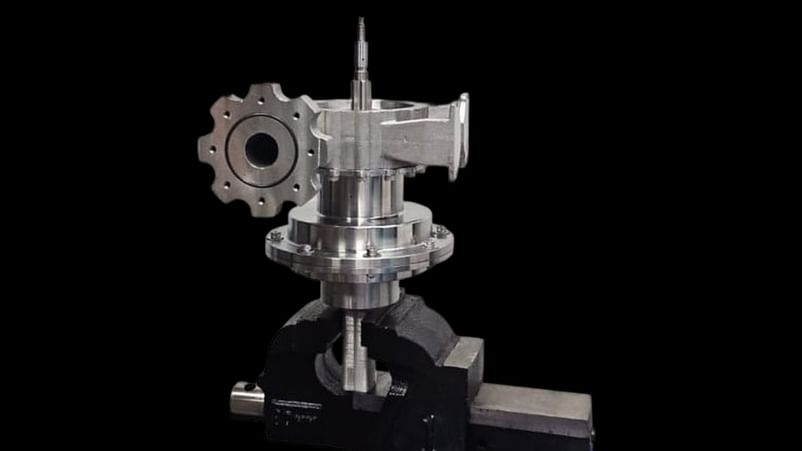
Astrophel Aerospace has achieved a significant milestone by developing an indigenous cryogenic pump for its Astra C1 rocket. This advancement positions Astrophel among the few New Space startups in India capable of creating such sophisticated technology. The company aims to enhance its launch vehicle capabilities, contributing to the growing demand for microsatellites and nanosatellites.
The cryogenic pump comprises over fifty precisely engineered components and operates at an impressive speed of 25,000 RPM. Astrophel plans to implement a fully-fledged turbopump during the first and second stages of the Astra C1 rocket’s launch. Notably, approximately eight to nine turbopumps are necessary for the initial stage of the Indian Space Research Organisation’s (ISRO) Small Satellite Launch Vehicle (SSLV).
Despite its compact size, comparable to a one-liter bottle, the cryogenic pump generates between 100 and 150 horsepower. For context, this power output is similar to that of a family car. The turbopump currently under development by Astrophel is designed to provide between 500 and 600 horsepower for larger launch vehicles, significantly increasing thrust capacity.
Innovative Manufacturing Approach
Astrophel’s cryogenic pump employs lean manufacturing principles derived from the automotive sector, focusing on cost efficiency, rapid assembly, and scalable production. This approach marks a departure from the conventional methods used by many New Space startups in India, which typically rely on 3D printed electric pumps for their launch vehicles.
Suyash Bafna, cofounder of Astrophel Aerospace, emphasized the importance of this development, stating, “This milestone is a testament to how India can indigenously develop advanced propulsion technologies at a fraction of global costs. ISRO’s certification will validate not just our pump, but India’s ability to innovate world-class space hardware with global export opportunities.”
Next Steps and Global Collaborations
The next phase involves testing and certification of the cryogenic pump by ISRO, which will ensure its reliability and performance standards. Furthermore, Astrophel Aerospace is negotiating a memorandum of understanding (MoU) with a partner based in the United States and is actively exploring international collaborations. These partnerships aim to facilitate exports at the sub-component level to not only support the space industry but also cater to the energy sector handling cryogenic liquids.
Astrophel Aerospace’s advancements reflect a growing trend in India’s space sector, as the country seeks to harness indigenous technologies to meet increasing global demands while maintaining cost efficiency. The successful development and certification of the cryogenic pump could pave the way for more competitive and innovative solutions in the aerospace industry.









Belfast Gears Up for Vibrant St Patrick’s Day Parade on March 17

Cuba Faces Nationwide Blackout Amid Deepening Energy Crisis

Wirral Council to Restructure Leadership, Cutting Two Top Roles

Rethinking Resistance Training: Key Insights from US Experts

EU Membership on the Horizon: What It Means for Citizens

Ukrainian Drone Swarms Strike Moscow Region for Second Day

Henley Launches Innovative Initiative to Boost Local Economy

Court Ruling Allows Pandemic Tax Refund Claims Until 2026

Sean Penn’s Absence at 2026 Oscars Sparks Discussion

Coronation Street’s Shocking Murder Twist Reveals Family Secrets

Andrew Pierce Confirms Departure from ITV’s Good Morning Britain

Katie Price Faces New Health Concerns After Cancer Symptoms Resurface

Gyles Brandreth Shares Grandson’s Cancer Battle and Recovery

Sue Radford Reveals Weight Loss Journey, Shedding 12–13 kg

Kate Garraway Sells £2 Million Home Amid Financial Struggles

Jordan Brook Faces Health Crisis in Hospital as Sophie Kasaei Stays Away

EastEnders’ Nicola Mitchell Faces Unexpected Pregnancy Crisis

Reddit Study Reveals Distinctions Between Lurkers and Power Users
-
 World9 months ago
Coronation Street’s Shocking Murder Twist Reveals Family Secrets
-
 Entertainment8 months ago
Andrew Pierce Confirms Departure from ITV’s Good Morning Britain
-
 Health12 months ago
Katie Price Faces New Health Concerns After Cancer Symptoms Resurface
-
 Health7 months ago
Gyles Brandreth Shares Grandson’s Cancer Battle and Recovery
-
 Health7 months ago
Sue Radford Reveals Weight Loss Journey, Shedding 12–13 kg
-
 Entertainment1 year ago
Kate Garraway Sells £2 Million Home Amid Financial Struggles
-
 Entertainment5 months ago
Jordan Brook Faces Health Crisis in Hospital as Sophie Kasaei Stays Away
-
 World10 months ago
EastEnders’ Nicola Mitchell Faces Unexpected Pregnancy Crisis
-
 Science9 months ago
Reddit Study Reveals Distinctions Between Lurkers and Power Users
-

 World9 months ago
Mother Charged After Son, 9, Killed in Tragic Incident in Italy
-

 World9 months ago
Bailey Announces Heartbreaking Split from Rebecca After Reunion
-

 Entertainment12 months ago
Ann Ming Reflects on ITV’s ‘I Fought the Law’ Drama