
Business
Putin and Xi Strengthen Energy Ties Amid U.S. Policy Shifts

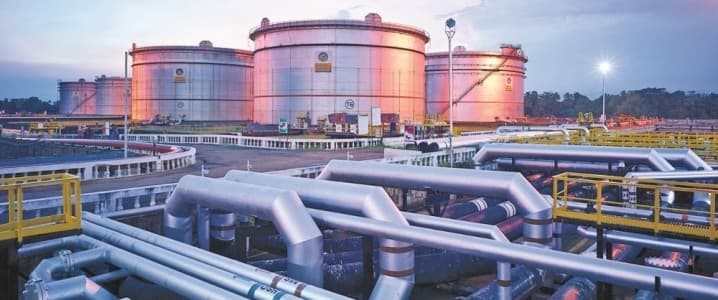
Russian President Vladimir Putin and Chinese President Xi Jinping engaged in a video call on Wednesday, discussing the growing energy partnership between their nations. Putin described the relationship as “strategic,” noting that China has emerged as Russia’s primary buyer of oil and gas since the onset of the Ukraine conflict. This call coincided with recent announcements from the United States aimed at reshaping India’s energy purchases, further highlighting the geopolitical dynamics at play.
The timing of this dialogue is significant. Just two days prior, Donald Trump, the former U.S. president, declared he would reduce tariffs on Indian goods, contingent upon New Delhi ceasing its imports of Russian crude oil. Trump also indicated that the U.S. could lift an additional 25% penalty tariff related to India’s energy collaboration with Russia. Despite these developments, there has been no official confirmation from India regarding a complete halt to Russian oil purchases, leaving uncertainty about the actual impact of this proposed agreement.
Reports indicate that Indian refiners are still awaiting formal instructions regarding the cessation of Russian oil imports. According to Reuters, this delay suggests that any official stop would likely involve a transition period. June Goh, an analyst at Sparta Commodities, highlighted a technical challenge: “WTI is simply too light to be considered as Urals replacement” for Indian refiners, suggesting that the U.S. crude may not effectively substitute for Russian supplies.
Kremlin aide Yury Ushakov emphasized the strength of the energy ties between Russia and China, stating, “Russia tops the list in terms of oil and pipe gas supplies to China.” He pointed out that China remains Russia’s largest trading partner, while Russia ranks fifth in China’s list of trade counterparts. Ushakov noted that the two countries are committed to enhancing their trade and economic relations, particularly in the energy sector.
Since the beginning of the Ukraine conflict, China has reportedly purchased over $230 billion worth of Russian energy. During the call, Putin acknowledged a slight decline in bilateral trade last year, but he reaffirmed that Russia continues to be a leading energy supplier to China. He expressed his commitment to working closely with Xi on various issues moving forward.
As discussions unfold, the implications of U.S. policy on Indian energy imports continue to be a focal point. Indian refiners remain in a holding pattern, without definitive guidance on their purchasing decisions regarding Russian oil. This uncertainty is compounded by the fact that Trump’s statements may have outpaced the actual agreements reached with Indian Prime Minister Narendra Modi.
In a related development, Trump also spoke with Putin on the same day as the Xi-Putin call. Their previous conversation occurred in late November, during which Trump lauded the “extremely strong” relations between the U.S. and China. The details of the latest call between Trump and Putin remain sparse, as reported by Xinhua News Agency.
As the geopolitical landscape continues to evolve, the energy dynamics between Russia, China, and India will likely play a crucial role in shaping international relations and market trends. The outcome of these discussions and agreements will have significant implications for global energy security and economic stability.






Belfast Gears Up for Vibrant St Patrick’s Day Parade on March 17

Cuba Faces Nationwide Blackout Amid Deepening Energy Crisis

Wirral Council to Restructure Leadership, Cutting Two Top Roles

Rethinking Resistance Training: Key Insights from US Experts

EU Membership on the Horizon: What It Means for Citizens

Ukrainian Drone Swarms Strike Moscow Region for Second Day

Henley Launches Innovative Initiative to Boost Local Economy

Court Ruling Allows Pandemic Tax Refund Claims Until 2026

Sean Penn’s Absence at 2026 Oscars Sparks Discussion

Coronation Street’s Shocking Murder Twist Reveals Family Secrets

Andrew Pierce Confirms Departure from ITV’s Good Morning Britain

Katie Price Faces New Health Concerns After Cancer Symptoms Resurface

Gyles Brandreth Shares Grandson’s Cancer Battle and Recovery

Sue Radford Reveals Weight Loss Journey, Shedding 12–13 kg

Kate Garraway Sells £2 Million Home Amid Financial Struggles

Jordan Brook Faces Health Crisis in Hospital as Sophie Kasaei Stays Away

EastEnders’ Nicola Mitchell Faces Unexpected Pregnancy Crisis

Reddit Study Reveals Distinctions Between Lurkers and Power Users
-
 World8 months ago
Coronation Street’s Shocking Murder Twist Reveals Family Secrets
-
 Entertainment8 months ago
Andrew Pierce Confirms Departure from ITV’s Good Morning Britain
-
 Health12 months ago
Katie Price Faces New Health Concerns After Cancer Symptoms Resurface
-
 Health7 months ago
Gyles Brandreth Shares Grandson’s Cancer Battle and Recovery
-
 Health7 months ago
Sue Radford Reveals Weight Loss Journey, Shedding 12–13 kg
-
 Entertainment1 year ago
Kate Garraway Sells £2 Million Home Amid Financial Struggles
-
 Entertainment5 months ago
Jordan Brook Faces Health Crisis in Hospital as Sophie Kasaei Stays Away
-
 World9 months ago
EastEnders’ Nicola Mitchell Faces Unexpected Pregnancy Crisis
-
 Science8 months ago
Reddit Study Reveals Distinctions Between Lurkers and Power Users
-

 World9 months ago
Mother Charged After Son, 9, Killed in Tragic Incident in Italy
-

 Entertainment12 months ago
Ann Ming Reflects on ITV’s ‘I Fought the Law’ Drama
-

 World9 months ago
Bailey Announces Heartbreaking Split from Rebecca After Reunion