
Politics
EU Proposes Gender Transition Freedom for Children at Any Age

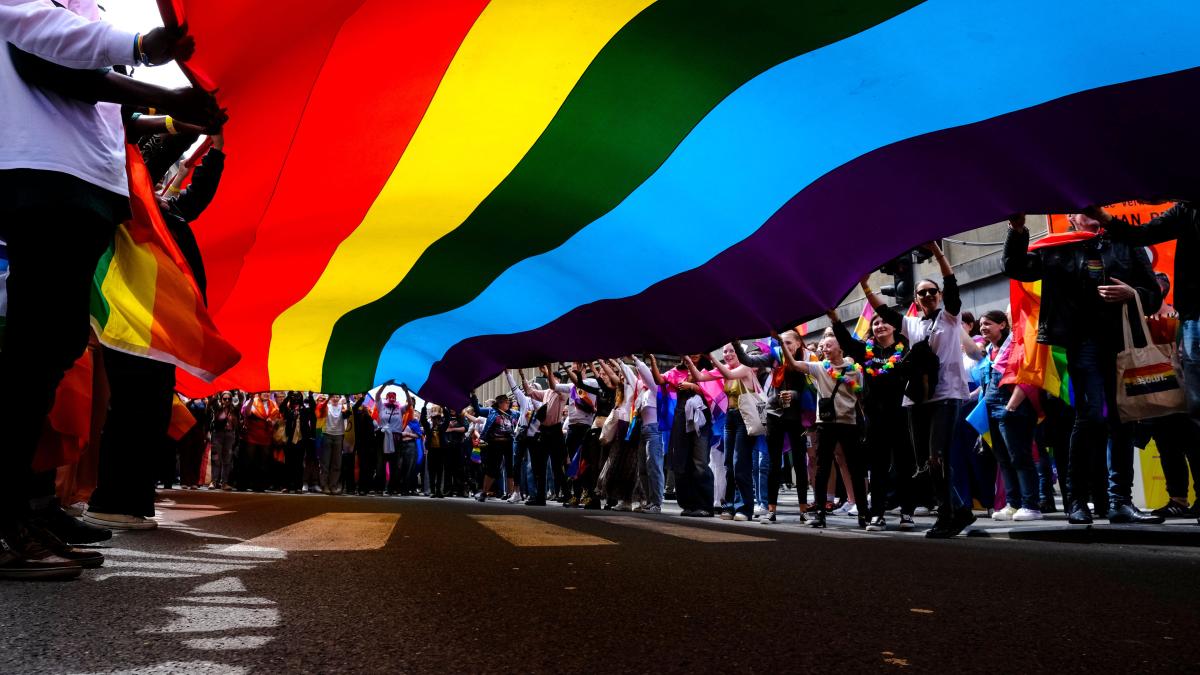
The European Union has introduced a controversial proposal that would allow children to change their gender identity without age restrictions. This initiative could lead to significant legal consequences for member governments that impose age limits on gender transition, potentially facing penalties from the European Court of Justice.
Under the proposal, children across the EU would have the right to change their gender identity at any age, challenging existing laws in several member states. Critics have voiced strong opposition, asserting that this move caters to the demands of transgender activists without adequately considering the implications for minors.
Legal Implications and Reactions
The proposal, announced in October 2023, has ignited a fierce debate across Europe. Supporters argue that it is essential to uphold the rights of transgender individuals, particularly young people who may struggle with their identity. They contend that allowing children the freedom to express their gender identity is a fundamental human right.
Conversely, opponents claim that such a policy undermines parental rights and could lead to irreversible decisions being made by minors. Many fear that the absence of age limits might expose children to pressure from peers or society, potentially resulting in life-altering choices made without sufficient understanding of the consequences.
The European Court of Justice is expected to play a pivotal role in interpreting the legality of such age restrictions. Governments that choose to enforce age limits could face legal challenges, prompting concerns about the balance between individual rights and governmental authority.
Broader Context and Future Outlook
This initiative is part of a broader movement within the EU to promote equality and inclusivity for all individuals, including those in the LGBTQ+ community. Member states have varied approaches to gender identity, with some allowing more flexibility than others. The proposed changes could standardize practices across the union, though the response from member governments remains mixed.
As discussions continue, the implications of this proposal will likely extend beyond legal frameworks into the realms of education, healthcare, and social services. The EU’s commitment to promoting human rights will be tested as this proposal moves forward, and the balance between advocacy and protection will be scrutinized.
The outcome of this initiative has the potential to reshape the landscape of gender identity recognition in Europe, impacting countless lives. As the debate unfolds, it remains to be seen how member states will respond to the challenge of aligning their laws with this emerging framework.











Belfast Gears Up for Vibrant St Patrick’s Day Parade on March 17

Cuba Faces Nationwide Blackout Amid Deepening Energy Crisis

Wirral Council to Restructure Leadership, Cutting Two Top Roles

Rethinking Resistance Training: Key Insights from US Experts

EU Membership on the Horizon: What It Means for Citizens

Ukrainian Drone Swarms Strike Moscow Region for Second Day

Henley Launches Innovative Initiative to Boost Local Economy

Court Ruling Allows Pandemic Tax Refund Claims Until 2026

Sean Penn’s Absence at 2026 Oscars Sparks Discussion

Coronation Street’s Shocking Murder Twist Reveals Family Secrets

Andrew Pierce Confirms Departure from ITV’s Good Morning Britain

Katie Price Faces New Health Concerns After Cancer Symptoms Resurface

Gyles Brandreth Shares Grandson’s Cancer Battle and Recovery

Sue Radford Reveals Weight Loss Journey, Shedding 12–13 kg

Kate Garraway Sells £2 Million Home Amid Financial Struggles

Jordan Brook Faces Health Crisis in Hospital as Sophie Kasaei Stays Away

EastEnders’ Nicola Mitchell Faces Unexpected Pregnancy Crisis

Reddit Study Reveals Distinctions Between Lurkers and Power Users
-
 World8 months ago
Coronation Street’s Shocking Murder Twist Reveals Family Secrets
-
 Entertainment8 months ago
Andrew Pierce Confirms Departure from ITV’s Good Morning Britain
-
 Health11 months ago
Katie Price Faces New Health Concerns After Cancer Symptoms Resurface
-
 Health6 months ago
Gyles Brandreth Shares Grandson’s Cancer Battle and Recovery
-
 Health6 months ago
Sue Radford Reveals Weight Loss Journey, Shedding 12–13 kg
-
 Entertainment12 months ago
Kate Garraway Sells £2 Million Home Amid Financial Struggles
-
 Entertainment5 months ago
Jordan Brook Faces Health Crisis in Hospital as Sophie Kasaei Stays Away
-
 World9 months ago
EastEnders’ Nicola Mitchell Faces Unexpected Pregnancy Crisis
-
 Science8 months ago
Reddit Study Reveals Distinctions Between Lurkers and Power Users
-

 World9 months ago
Mother Charged After Son, 9, Killed in Tragic Incident in Italy
-

 Entertainment11 months ago
Ann Ming Reflects on ITV’s ‘I Fought the Law’ Drama
-

 World8 months ago
Bailey Announces Heartbreaking Split from Rebecca After Reunion