
Politics
Congress Members Seek Salary Withholding Amid Ongoing Shutdown


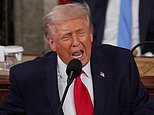
As the federal government shutdown enters its second week, some members of Congress are requesting that their salaries be withheld during this period. Federal workers missed their first full paycheck on October 6, 2025, following the suspension of operations that began on October 1. With no clear resolution in sight, the House of Representatives remains in recess while the Senate has adjourned for its traditional long weekend. Meanwhile, President Donald Trump is preparing for a diplomatic trip to China, focusing more on foreign policy than the ongoing funding crisis.
During government shutdowns, members of Congress, along with the President and federal judges, continue to receive their paychecks. This contrasts sharply with the approximately 2 million civilian federal employees who are affected. Members of Congress earn an annual salary of $174,000, while congressional leaders receive a higher amount.
Salary Withholding Options for Lawmakers
Unlike many federal workers, Congressional members have various options regarding their pay during shutdowns. They can choose to receive their salary as normal, donate it to charity, return it to the Treasury, or request that their paychecks be withheld. Rep. Gabe Amo from Rhode Island shared a letter from House Chief Administrative Officer Catherine L. Szpindor, which confirmed that House members could indeed choose to have their salaries withheld until the shutdown concludes.
Legal stipulations, including provisions in the 27th Amendment, ensure that members are entitled to their compensation. Szpindor noted that lawmakers who opt for withholding their pay can request it at any time after the shutdown. A spokesperson for Sen. Jon Husted of Ohio indicated that while senators are mandated to be paid, they can have their checks held until the funding issue is resolved. This sentiment is echoed by other members like Sen. Michael Bennet from Colorado and Rep. Kat Cammack from Florida, who have also opted to withhold their pay.
Despite these requests, spokespeople for both President Trump and House Speaker Mike Johnson did not provide comments on their own salary choices during the shutdown. Senate Majority Leader John Thune confirmed through a spokesperson that he is also withholding his paycheck.
Legal Considerations Surrounding Salary Withholding
The legality of withholding Congressional salaries has been a topic of discussion in previous shutdowns. Congress has attempted to pass legislation to formally withhold member salaries during shutdowns, but none of these efforts have succeeded. The Congressional Budget Office (CBO) recently clarified that member pay is mandated by the Constitution and classified as mandatory spending, meaning they will continue to be paid during funding lapses.
The CBO’s Director, Phillip L. Swagel, pointed out that the constitutional framework requires Congress members to receive their pay, regardless of appropriations status. Additionally, a report from the nonpartisan Congressional Research Service states that since 1981, lawmakers’ salaries have been classified as mandatory appropriations, reinforcing that they are entitled to compensation even during shutdowns.
Article I, Section 6, Clause 1 of the U.S. Constitution specifies that Senators and Representatives shall receive compensation for their services, while the 27th Amendment states that any change in their pay cannot take effect until after a subsequent election. The report also highlights that while members cannot waive their salaries, they can choose to accept their pay and later donate part or all of it back to the Treasury.
For federal employees working for Congress or within executive branch agencies, the situation is markedly different. They do not have the option to withhold their pay during the shutdown and are left without paychecks until Congress reaches an agreement to fund the government. Employees engaged in essential national security duties continue to work during the shutdown, while others are placed on furlough.
On October 5, the Senate was unable to advance multiple proposals aimed at ensuring pay for federal employees and contractors during the shutdown. If no new congressional action is taken, both exempt and non-exempt federal workers are expected to receive back pay after the government reopens, as established by a 2019 law. However, it remains uncertain whether the administration will honor this commitment for executive branch employees. Meanwhile, guidance from the House Committee on Administration assures that all legislative staff will receive back pay once funding resumes.
The ongoing debate over Congressional salaries during a government shutdown illustrates the complexities of budgetary politics, as lawmakers navigate the challenges of funding the government while addressing the needs of federal employees. As the shutdown continues with no end in sight, the impact on both Congress and federal workers remains significant.












Belfast Gears Up for Vibrant St Patrick’s Day Parade on March 17

Cuba Faces Nationwide Blackout Amid Deepening Energy Crisis

Wirral Council to Restructure Leadership, Cutting Two Top Roles

Rethinking Resistance Training: Key Insights from US Experts

EU Membership on the Horizon: What It Means for Citizens

Ukrainian Drone Swarms Strike Moscow Region for Second Day

Henley Launches Innovative Initiative to Boost Local Economy

Court Ruling Allows Pandemic Tax Refund Claims Until 2026

Sean Penn’s Absence at 2026 Oscars Sparks Discussion

Coronation Street’s Shocking Murder Twist Reveals Family Secrets

Andrew Pierce Confirms Departure from ITV’s Good Morning Britain

Katie Price Faces New Health Concerns After Cancer Symptoms Resurface

Sue Radford Reveals Weight Loss Journey, Shedding 12–13 kg

Kate Garraway Sells £2 Million Home Amid Financial Struggles

Jordan Brook Faces Health Crisis in Hospital as Sophie Kasaei Stays Away

EastEnders’ Nicola Mitchell Faces Unexpected Pregnancy Crisis

Bailey Announces Heartbreaking Split from Rebecca After Reunion

Ann Ming Reflects on ITV’s ‘I Fought the Law’ Drama
-
 World4 months ago
Coronation Street’s Shocking Murder Twist Reveals Family Secrets
-
 Entertainment4 months ago
Andrew Pierce Confirms Departure from ITV’s Good Morning Britain
-
 Health7 months ago
Katie Price Faces New Health Concerns After Cancer Symptoms Resurface
-
 Health3 months ago
Sue Radford Reveals Weight Loss Journey, Shedding 12–13 kg
-
 Entertainment8 months ago
Kate Garraway Sells £2 Million Home Amid Financial Struggles
-
 Entertainment4 weeks ago
Jordan Brook Faces Health Crisis in Hospital as Sophie Kasaei Stays Away
-
 World5 months ago
EastEnders’ Nicola Mitchell Faces Unexpected Pregnancy Crisis
-
 World5 months ago
Bailey Announces Heartbreaking Split from Rebecca After Reunion
-
 Entertainment7 months ago
Ann Ming Reflects on ITV’s ‘I Fought the Law’ Drama
-

 Entertainment2 months ago
Selena Gomez’s Name Linked to Epstein: Examining the Claims
-

 Health7 months ago
TOWIE Stars Sophie Kasaei and Jordan Brook Pursue Fertility Treatment
-

 Health8 months ago
Fiona Phillips’ Husband Shares Heartbreaking Update on Her Health