
Business
China and U.S. Oil Reserves Ready for Potential Iran Supply Shock

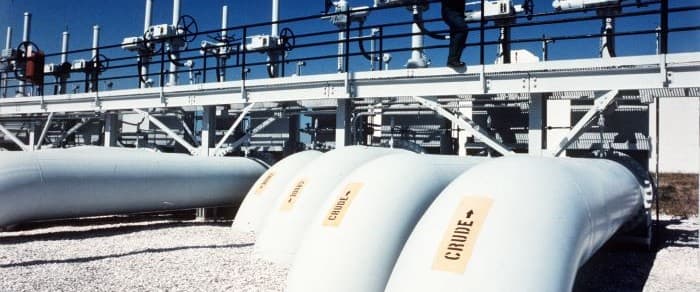
The United States and China, the world’s two largest importers of crude oil, are poised to leverage their significant strategic reserves should a supply disruption occur in the Middle East. This situation arises amid escalating tensions between the U.S. and Iran, particularly if diplomatic talks falter and military action becomes a reality.
Oil prices are already nearing a seven-month high of $71 per barrel for Brent crude. A disruption in oil shipping through the Middle East could send prices soaring, potentially exceeding $100 per barrel, according to analysts. The current market dynamics, particularly in an era dominated by algorithmic trading, suggest that any panic stemming from failed negotiations could further destabilize prices.
Strategic Reserves Provide Cushion
The U.S. holds approximately 415 million barrels in its Strategic Petroleum Reserve (SPR), which has a total capacity of 714 million barrels. Although currently less than 60% full, this reserve can sustain U.S. net crude imports for about 200 days, surpassing the historical norms and the 90-day minimum required by the International Energy Agency (IEA).
In the event of an emergency, the U.S. Department of Energy (DOE) can facilitate a competitive sale of oil from the SPR. If ordered by the President, deliveries can commence within 13 days, with potential drawdown rates of up to 4.4 million barrels per day for a maximum of 90 days. Such measures could be critical if prices spike due to a prolonged military campaign against Iran.
China, meanwhile, has been accumulating crude oil into both commercial and strategic inventories over the past year. This strategy has allowed Beijing to capitalize on lower international prices, particularly from sanctioned oil suppliers like Iran and Venezuela. Although the exact volume of Chinese reserves remains undisclosed, estimates suggest China may have added at least 1 million barrels per day to its storage last year.
Geopolitical Implications and Market Reactions
As diplomatic efforts continue, analysts are monitoring various scenarios ranging from limited strikes to extensive military campaigns, along with potential Iranian retaliation targeting oil infrastructure in Saudi Arabia, the United Arab Emirates, or Kuwait. The critical Strait of Hormuz could also be threatened, as it is a vital chokepoint for global oil trade.
On the eve of significant negotiations in Geneva, Iranian Foreign Minister Abbas Araghchi emphasized, “We have a historic opportunity to strike an unprecedented agreement that addresses mutual concerns and achieves mutual interests. A deal is within reach, but only if diplomacy is given priority.” Despite this, the oil market remains on edge, anticipating some form of conflict between the U.S. and Iran in the near future.
With mid-term elections approaching in the U.S., it is increasingly important for the administration to manage oil prices effectively. A surge in gasoline prices could have significant political ramifications, particularly as electricity prices also rise, conflicting with promises made during the election campaign.
Both the U.S. and China are thus strategically positioned to mitigate the impact of any oil supply shocks resulting from geopolitical tensions in the Middle East, demonstrating how global dynamics in energy markets continue to evolve amidst uncertainty.






Belfast Gears Up for Vibrant St Patrick’s Day Parade on March 17

Cuba Faces Nationwide Blackout Amid Deepening Energy Crisis

Wirral Council to Restructure Leadership, Cutting Two Top Roles

Rethinking Resistance Training: Key Insights from US Experts

EU Membership on the Horizon: What It Means for Citizens

Ukrainian Drone Swarms Strike Moscow Region for Second Day

Henley Launches Innovative Initiative to Boost Local Economy

Court Ruling Allows Pandemic Tax Refund Claims Until 2026

Sean Penn’s Absence at 2026 Oscars Sparks Discussion

Coronation Street’s Shocking Murder Twist Reveals Family Secrets

Andrew Pierce Confirms Departure from ITV’s Good Morning Britain

Katie Price Faces New Health Concerns After Cancer Symptoms Resurface

Gyles Brandreth Shares Grandson’s Cancer Battle and Recovery

Sue Radford Reveals Weight Loss Journey, Shedding 12–13 kg

Kate Garraway Sells £2 Million Home Amid Financial Struggles

Jordan Brook Faces Health Crisis in Hospital as Sophie Kasaei Stays Away

EastEnders’ Nicola Mitchell Faces Unexpected Pregnancy Crisis

Reddit Study Reveals Distinctions Between Lurkers and Power Users
-
 World8 months ago
Coronation Street’s Shocking Murder Twist Reveals Family Secrets
-
 Entertainment8 months ago
Andrew Pierce Confirms Departure from ITV’s Good Morning Britain
-
 Health12 months ago
Katie Price Faces New Health Concerns After Cancer Symptoms Resurface
-
 Health7 months ago
Gyles Brandreth Shares Grandson’s Cancer Battle and Recovery
-
 Health7 months ago
Sue Radford Reveals Weight Loss Journey, Shedding 12–13 kg
-
 Entertainment1 year ago
Kate Garraway Sells £2 Million Home Amid Financial Struggles
-
 Entertainment5 months ago
Jordan Brook Faces Health Crisis in Hospital as Sophie Kasaei Stays Away
-
 World9 months ago
EastEnders’ Nicola Mitchell Faces Unexpected Pregnancy Crisis
-
 Science8 months ago
Reddit Study Reveals Distinctions Between Lurkers and Power Users
-

 World9 months ago
Mother Charged After Son, 9, Killed in Tragic Incident in Italy
-

 Entertainment12 months ago
Ann Ming Reflects on ITV’s ‘I Fought the Law’ Drama
-

 World9 months ago
Bailey Announces Heartbreaking Split from Rebecca After Reunion