
Business
Texas Invests $350 Million to Lead Nuclear Energy Renaissance


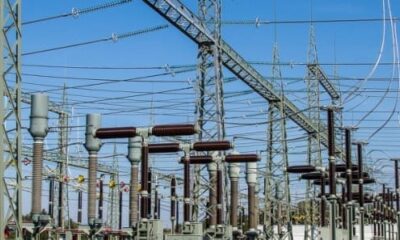
Texas has announced a significant investment aimed at revitalizing its nuclear energy sector. Governor Greg Abbott praised the Texas Legislature for passing House Bill 14, which includes a commitment of $350 million. This funding marks the largest national investment in nuclear energy and is designed to position Texas as a leader in the emerging nuclear power renaissance in the United States.
The establishment of the Texas Advanced Nuclear Energy Office is a key component of this initiative. Governor Abbott emphasized the importance of this legislation, stating, “Texas is the energy capital of the world, and this legislation will position Texas at the forefront of America’s nuclear renaissance.” The funding will facilitate the development and deployment of next-generation nuclear technologies while enhancing Texas’ manufacturing capabilities and rebuilding a domestic fuel supply chain. Furthermore, it aims to prepare a skilled workforce for future roles in the nuclear sector.
The U.S. nuclear power industry is witnessing a resurgence. Growing electricity demand, particularly from data centers, combined with robust policy support for carbon-free energy sources, is driving this momentum. Major technology firms are increasingly investing in nuclear energy, establishing long-term power contracts and development partnerships that signal a shift from years of minimal new nuclear projects.
For instance, Microsoft has entered into a 20-year power purchase agreement with Constellation Energy. This agreement is linked to Constellation’s nuclear generation assets and comes as the company evaluates the future of its facilities, including the notable Three Mile Island site in Pennsylvania. Additionally, Microsoft is supporting nuclear fusion development through its collaboration with Helion Energy.
Other technology giants are also making strides in the nuclear sector. Alphabet has teamed up with Kairos Power to advance small modular reactor technologies, expecting to harness power from upcoming reactors in the 2030s. Similarly, Google has invested in TAE Technologies, a fusion developer, and Elemental Power, which focuses on early-stage fission projects. Meta Platforms has signed its own 20-year agreement with Constellation Energy, securing power from an existing nuclear reactor in Illinois while seeking proposals for an additional 1–4 gigawatts of new nuclear capacity in the U.S.
Innovative projects are also underway from new entrants in the nuclear field. TerraPower, a company co-founded by Bill Gates, is working on a sodium-cooled fast reactor, with a demonstration project currently in progress in Wyoming. Meanwhile, Oklo, supported by Sam Altman of OpenAI, is developing small-scale reactors intended to provide power to data centers, with plans for initial deployment later in the decade, pending regulatory approvals.
This wave of investment and innovation reflects a broader recognition of nuclear energy’s potential in addressing the growing demand for reliable, carbon-free power. The Texas initiative not only aims to reinforce the state’s leadership in the energy sector but also seeks to contribute significantly to the national effort to enhance nuclear energy’s role in a sustainable energy future.








Belfast Gears Up for Vibrant St Patrick’s Day Parade on March 17

Cuba Faces Nationwide Blackout Amid Deepening Energy Crisis

Wirral Council to Restructure Leadership, Cutting Two Top Roles

Rethinking Resistance Training: Key Insights from US Experts

EU Membership on the Horizon: What It Means for Citizens

Ukrainian Drone Swarms Strike Moscow Region for Second Day

Henley Launches Innovative Initiative to Boost Local Economy

Court Ruling Allows Pandemic Tax Refund Claims Until 2026

Sean Penn’s Absence at 2026 Oscars Sparks Discussion

Coronation Street’s Shocking Murder Twist Reveals Family Secrets

Andrew Pierce Confirms Departure from ITV’s Good Morning Britain

Katie Price Faces New Health Concerns After Cancer Symptoms Resurface

Sue Radford Reveals Weight Loss Journey, Shedding 12–13 kg

Kate Garraway Sells £2 Million Home Amid Financial Struggles

Jordan Brook Faces Health Crisis in Hospital as Sophie Kasaei Stays Away

EastEnders’ Nicola Mitchell Faces Unexpected Pregnancy Crisis

Bailey Announces Heartbreaking Split from Rebecca After Reunion

Ann Ming Reflects on ITV’s ‘I Fought the Law’ Drama
-
 World4 months ago
Coronation Street’s Shocking Murder Twist Reveals Family Secrets
-
 Entertainment4 months ago
Andrew Pierce Confirms Departure from ITV’s Good Morning Britain
-
 Health7 months ago
Katie Price Faces New Health Concerns After Cancer Symptoms Resurface
-
 Health2 months ago
Sue Radford Reveals Weight Loss Journey, Shedding 12–13 kg
-
 Entertainment8 months ago
Kate Garraway Sells £2 Million Home Amid Financial Struggles
-
 Entertainment3 weeks ago
Jordan Brook Faces Health Crisis in Hospital as Sophie Kasaei Stays Away
-
 World5 months ago
EastEnders’ Nicola Mitchell Faces Unexpected Pregnancy Crisis
-
 World5 months ago
Bailey Announces Heartbreaking Split from Rebecca After Reunion
-
 Entertainment7 months ago
Ann Ming Reflects on ITV’s ‘I Fought the Law’ Drama
-

 Entertainment2 months ago
Selena Gomez’s Name Linked to Epstein: Examining the Claims
-

 Health7 months ago
TOWIE Stars Sophie Kasaei and Jordan Brook Pursue Fertility Treatment
-

 Health7 months ago
Fiona Phillips’ Husband Shares Heartbreaking Update on Her Health