
Business
Enzo Maresca’s Chelsea Exit Highlights Managerial Challenges

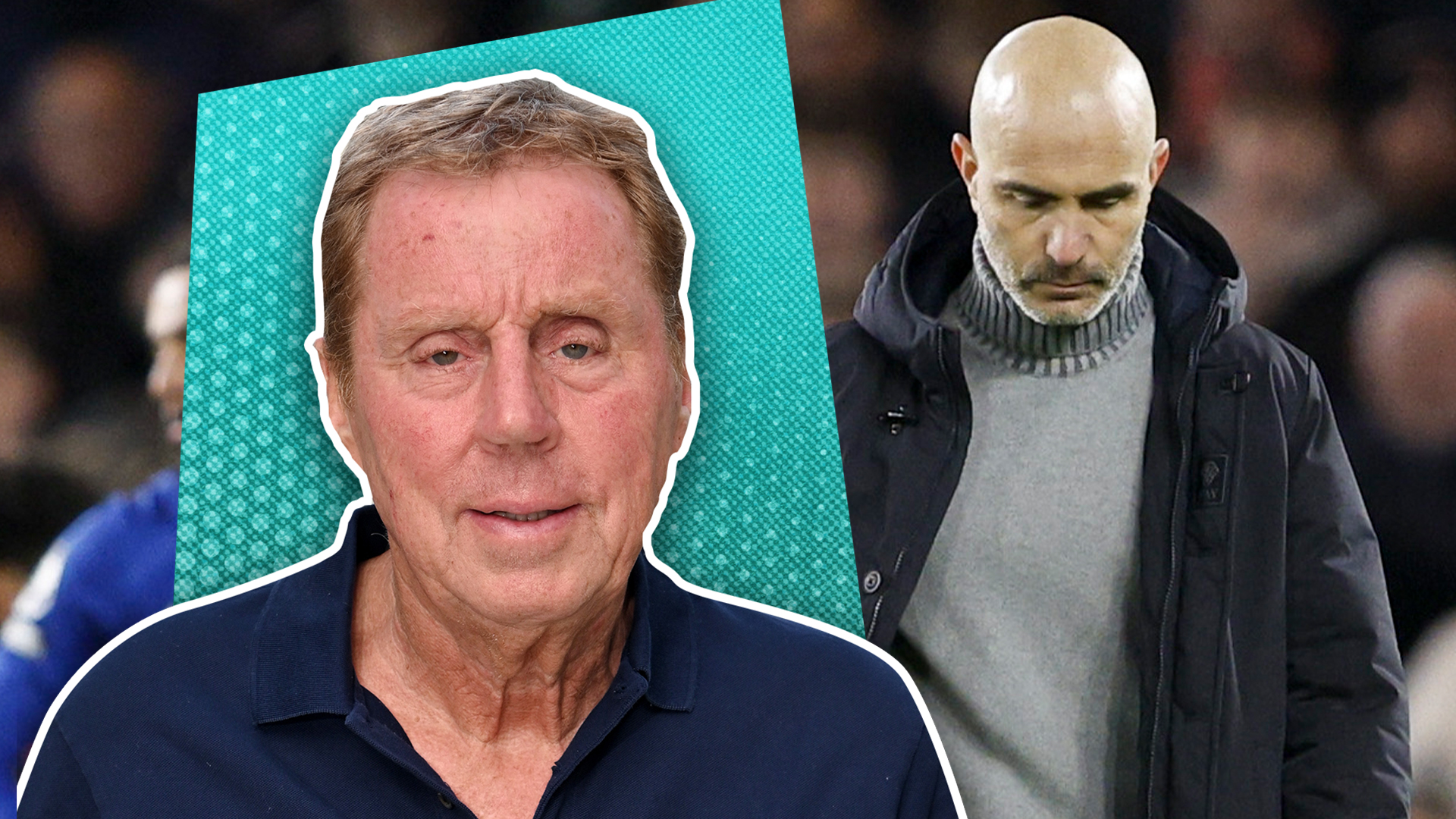
Enzo Maresca’s departure from Chelsea FC has raised questions about the complexities of modern football management. The former manager publicly criticized the club’s board for what he perceived as interference, a move that many believe sealed his fate at Stamford Bridge. Following his exit, which came after leading Chelsea to a Conference League victory and a Club World Cup triumph, Maresca’s public comments have cast a shadow over his brief tenure.
Maresca’s situation is emblematic of a broader issue facing many managers today. The dynamics between coaches and club ownership have evolved significantly, but tensions between management and board members are not new. Throughout his career, Maresca’s predecessor at Chelsea, Thomas Tuchel, experienced similar conflicts, illustrating the challenges inherent in high-pressure football environments.
At Chelsea, Maresca’s criticisms regarding a lack of support and decision-making autonomy appear to have contributed to his downfall. The club operates under a complex structure where multiple voices influence decisions, leaving managers with limited control over player recruitment and strategy. According to reports, Chelsea’s sporting directors and ownership group, which includes American investors, often dictate the direction of the team.
This shift in management structure has left many coaches feeling sidelined. Unlike in the past, when managers had more direct influence over player signings and team dynamics, today’s coaches often work within a framework of shared responsibility. Maresca’s comments suggested he struggled with this model, stating, “the second Maresca started talking about wanting this or that… he was asking for trouble.”
The challenges Maresca faced were not unique to Chelsea. Many clubs now employ committees to make recruitment decisions, significantly diluting a manager’s influence. For instance, a chief executive recently disclosed that their club has a committee of six members that determines transfer policies, giving the manager only a fraction of the say. This shift can create friction when managers are tasked with implementing strategies based on players they did not select.
Maresca’s situation contrasts sharply with earlier times in football. He reflected on his own experiences, recalling a time when he had a more personal connection with the club’s leadership. “When I first signed a player without watching him… it all went wrong,” he noted, highlighting the importance of direct involvement in recruitment decisions.
As Chelsea continues to grapple with its recent performance issues, questions about recruitment practices loom large. The club has accumulated a roster of wingers that have not met expectations, further complicating Maresca’s tenure. Analysts believe that the manager ultimately bears the brunt of the blame when signings do not pan out, but this accountability can be misplaced in a system where multiple stakeholders are involved.
While Maresca’s exit from Chelsea may seem abrupt, it illustrates the pressure faced by managers tasked with navigating complex and often conflicting demands from club authorities. His experience serves as a cautionary tale for future appointments, emphasizing the need for clear communication and understanding between managers and boards.
Though Maresca’s time at Chelsea was short-lived, it is expected that he will find another managerial role soon. Moving forward, he may benefit from a more measured approach when addressing club leadership. As the landscape of football management continues to evolve, the balance of power between managers and owners will likely remain a contentious issue, one that shapes the future of clubs like Chelsea FC.












Belfast Gears Up for Vibrant St Patrick’s Day Parade on March 17

Cuba Faces Nationwide Blackout Amid Deepening Energy Crisis

Wirral Council to Restructure Leadership, Cutting Two Top Roles

Rethinking Resistance Training: Key Insights from US Experts

EU Membership on the Horizon: What It Means for Citizens

Ukrainian Drone Swarms Strike Moscow Region for Second Day

Henley Launches Innovative Initiative to Boost Local Economy

Court Ruling Allows Pandemic Tax Refund Claims Until 2026

Sean Penn’s Absence at 2026 Oscars Sparks Discussion

Coronation Street’s Shocking Murder Twist Reveals Family Secrets

Andrew Pierce Confirms Departure from ITV’s Good Morning Britain

Katie Price Faces New Health Concerns After Cancer Symptoms Resurface

Gyles Brandreth Shares Grandson’s Cancer Battle and Recovery

Sue Radford Reveals Weight Loss Journey, Shedding 12–13 kg

Kate Garraway Sells £2 Million Home Amid Financial Struggles

Jordan Brook Faces Health Crisis in Hospital as Sophie Kasaei Stays Away

EastEnders’ Nicola Mitchell Faces Unexpected Pregnancy Crisis

Reddit Study Reveals Distinctions Between Lurkers and Power Users
-
 World9 months ago
Coronation Street’s Shocking Murder Twist Reveals Family Secrets
-
 Entertainment9 months ago
Andrew Pierce Confirms Departure from ITV’s Good Morning Britain
-
 Health12 months ago
Katie Price Faces New Health Concerns After Cancer Symptoms Resurface
-
 Health7 months ago
Gyles Brandreth Shares Grandson’s Cancer Battle and Recovery
-
 Health7 months ago
Sue Radford Reveals Weight Loss Journey, Shedding 12–13 kg
-
 Entertainment1 year ago
Kate Garraway Sells £2 Million Home Amid Financial Struggles
-
 Entertainment5 months ago
Jordan Brook Faces Health Crisis in Hospital as Sophie Kasaei Stays Away
-
 World10 months ago
EastEnders’ Nicola Mitchell Faces Unexpected Pregnancy Crisis
-
 Science9 months ago
Reddit Study Reveals Distinctions Between Lurkers and Power Users
-

 World9 months ago
Mother Charged After Son, 9, Killed in Tragic Incident in Italy
-

 Entertainment7 months ago
Selena Gomez’s Name Linked to Epstein: Examining the Claims
-

 Entertainment12 months ago
Ann Ming Reflects on ITV’s ‘I Fought the Law’ Drama