
Business
LNG Faces Geopolitical Turbulence After Record 2025 Sales

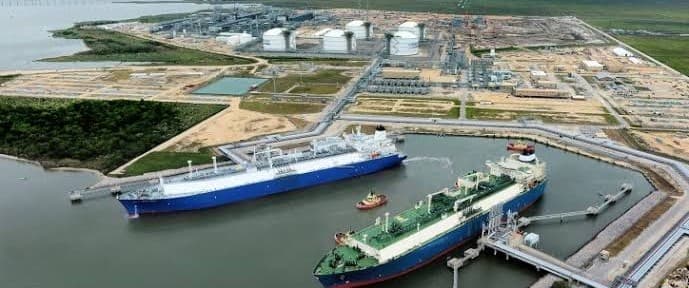
The liquefied natural gas (LNG) sector, which experienced a record-breaking year in 2025, now faces significant geopolitical challenges that could disrupt its anticipated growth in 2026. Following a surge in global LNG trade, a major market is embroiled in a dispute that has put critical energy agreements on hold, raising questions about the future stability of the industry.
Two weeks into 2026, the European Union announced it is pausing a substantial trade deal with the Trump administration. This decision comes in the wake of President Trump’s imposition of 10% tariffs on eight countries, which he claims are obstructing his intent to purchase Greenland. The affected nations, including Denmark, Norway, and Sweden, recently deployed military personnel to Greenland, asserting their capability to manage the island’s security.
If these countries do not acquiesce to U.S. demands, tariffs could escalate to 25% later in the year. This escalation has prompted Brussels to suspend the trade agreement previously negotiated by Commission President Ursula von der Leyen and President Trump, which included a commitment for the EU to purchase $750 billion worth of U.S. energy commodities over three years. Although this agreement was largely seen as unfeasible due to the EU’s inability to absorb such quantities of oil and LNG, it nevertheless highlighted the growing transatlantic energy relationship.
Market Dynamics Amid Global Tensions
Despite the EU’s increasing LNG imports, which surged by 60% in 2025, the ongoing geopolitical tensions may temper future demand. The EU accounted for over 50% of all U.S. LNG exports last year, propelling global LNG sales to new heights with a 25% annual increase. However, analysts are cautioning that weak industrial activity and sluggish economic growth in Europe could dampen LNG demand moving forward.
Meanwhile, Asia continues to dominate the global LNG market, absorbing 64% of exported liquefied natural gas. However, this figure represented a 5% decline from the previous year, driven in part by a 15% drop in Chinese imports. Factors contributing to this decline include increased domestic natural gas production and heightened pipeline imports, particularly from Russia.
Looking ahead, Kpler has reported potential LNG capacity additions of 37 million tons annually, building on 51 million tons added last year. This influx of capacity may exert downward pressure on prices, which could stimulate demand in Asia, especially in China. Kpler forecasts that Chinese LNG import demand could rebound to 73 million tons in 2026, up from 68.43 million tons in 2025.
Challenges and Opportunities in the LNG Landscape
Europe’s total LNG imports exceeded 100 million tons last year, with projections suggesting this could rise to approximately 145 million tons in 2026. Yet, geopolitical frictions may hinder the EU’s ability to meet these targets. Should U.S.-EU relations sour, the resulting decline in LNG prices could adversely affect producers while simultaneously enhancing demand from Asian markets.
Additionally, Japan’s plans to restart nuclear reactors could reshape the energy landscape, as energy security takes precedence over concerns about another Fukushima-like disaster. In China, domestic gas production is expected to increase, with total output projected to reach 278.5 billion cubic meters this year, boosted by expanding shale gas production.
India’s LNG imports also saw a downturn last year, underscoring the price sensitivity that characterizes many large LNG buyers. As the global LNG trade navigates these complex dynamics, the interplay of market demands and geopolitical developments will play a pivotal role in shaping the industry’s trajectory for the remainder of 2026.












Belfast Gears Up for Vibrant St Patrick’s Day Parade on March 17

Cuba Faces Nationwide Blackout Amid Deepening Energy Crisis

Wirral Council to Restructure Leadership, Cutting Two Top Roles

Rethinking Resistance Training: Key Insights from US Experts

EU Membership on the Horizon: What It Means for Citizens

Ukrainian Drone Swarms Strike Moscow Region for Second Day

Henley Launches Innovative Initiative to Boost Local Economy

Court Ruling Allows Pandemic Tax Refund Claims Until 2026

Sean Penn’s Absence at 2026 Oscars Sparks Discussion

Coronation Street’s Shocking Murder Twist Reveals Family Secrets

Andrew Pierce Confirms Departure from ITV’s Good Morning Britain

Katie Price Faces New Health Concerns After Cancer Symptoms Resurface

Sue Radford Reveals Weight Loss Journey, Shedding 12–13 kg

Kate Garraway Sells £2 Million Home Amid Financial Struggles

Jordan Brook Faces Health Crisis in Hospital as Sophie Kasaei Stays Away

EastEnders’ Nicola Mitchell Faces Unexpected Pregnancy Crisis

Bailey Announces Heartbreaking Split from Rebecca After Reunion

Ann Ming Reflects on ITV’s ‘I Fought the Law’ Drama
-
 World4 months ago
Coronation Street’s Shocking Murder Twist Reveals Family Secrets
-
 Entertainment4 months ago
Andrew Pierce Confirms Departure from ITV’s Good Morning Britain
-
 Health7 months ago
Katie Price Faces New Health Concerns After Cancer Symptoms Resurface
-
 Health3 months ago
Sue Radford Reveals Weight Loss Journey, Shedding 12–13 kg
-
 Entertainment8 months ago
Kate Garraway Sells £2 Million Home Amid Financial Struggles
-
 Entertainment4 weeks ago
Jordan Brook Faces Health Crisis in Hospital as Sophie Kasaei Stays Away
-
 World5 months ago
EastEnders’ Nicola Mitchell Faces Unexpected Pregnancy Crisis
-
 World5 months ago
Bailey Announces Heartbreaking Split from Rebecca After Reunion
-
 Entertainment7 months ago
Ann Ming Reflects on ITV’s ‘I Fought the Law’ Drama
-

 Entertainment2 months ago
Selena Gomez’s Name Linked to Epstein: Examining the Claims
-

 Health7 months ago
TOWIE Stars Sophie Kasaei and Jordan Brook Pursue Fertility Treatment
-

 Health8 months ago
Fiona Phillips’ Husband Shares Heartbreaking Update on Her Health