
Business
Spain and Portugal Celebrate 40 Years of EU Membership

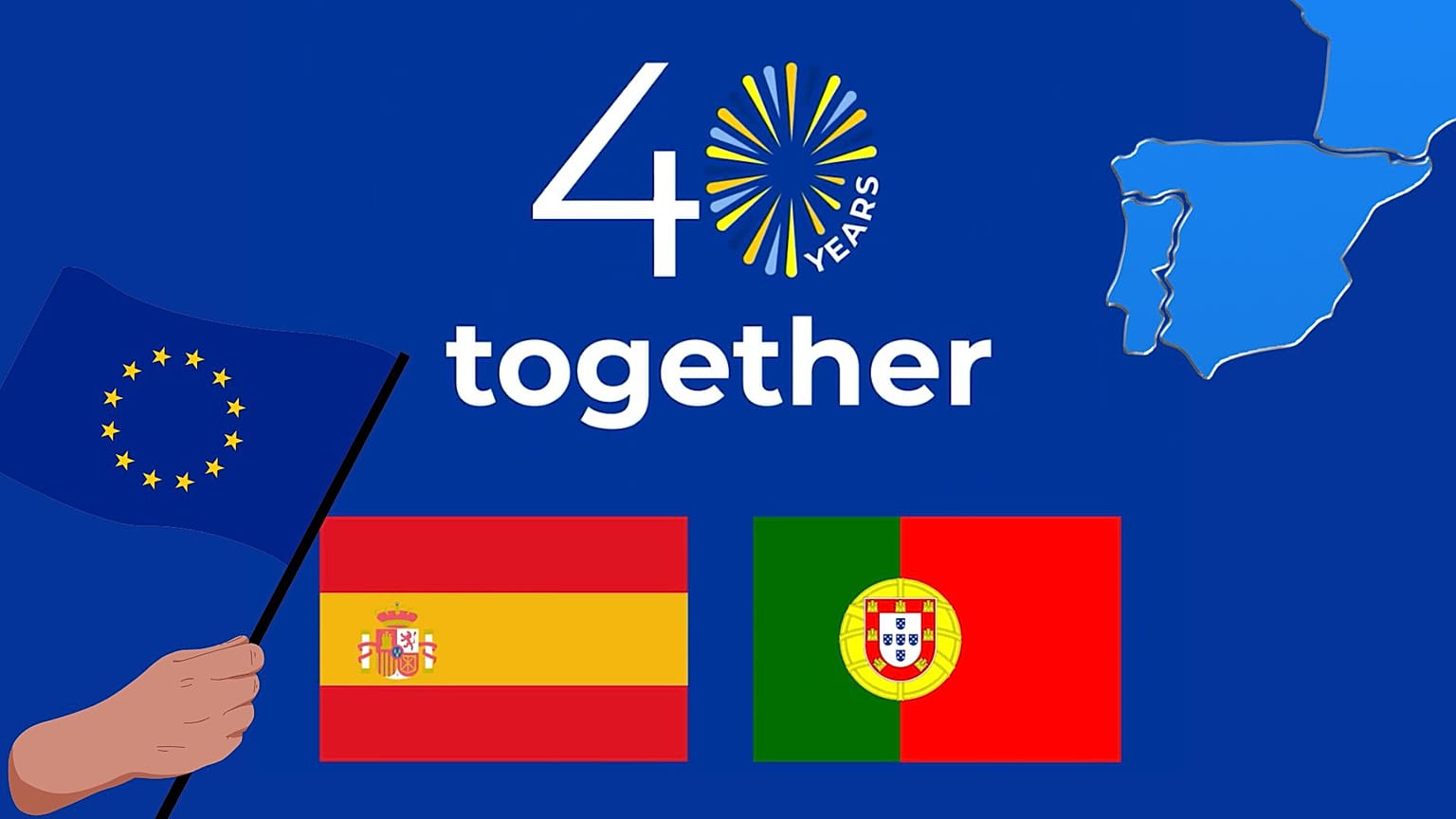
On January 1, 2026, Spain and Portugal will mark four decades since joining the European Economic Community, a significant milestone in their post-dictatorship histories. Initially, both nations faced economic struggles and social upheaval, but their EU membership has dramatically transformed their landscapes.
From Dictatorship to Democracy and Economic Growth
When Spain and Portugal entered the European Economic Community in 1986, they were emerging from years of authoritarian rule. Spain, under the rule of Francisco Franco, had only recently transitioned to democracy following his death in 1975. Meanwhile, Portugal had experienced the Carnation Revolution in 1974, which ended almost 50 years of dictatorship under António de Oliveira Salazar. At that time, Spain’s GDP stood at a mere €226 billion, with an unemployment rate soaring to around 21% and inflation reaching 20%.
Portugal’s situation was similarly bleak, with its GDP only about 60% of the European average, compounded by the economic fallout from the loss of its colonial empire. Both nations viewed EU integration as a pathway to recovery and progress.
A Journey of Transformation
Fast forward to 2025, and the economic landscape of both countries has changed significantly. Spain’s GDP has surged to approximately €1.5 trillion, making it the fourth-largest economy in the European Union. Unemployment has improved, decreasing to 11%, largely due to over €185 billion in EU funds allocated since their accession. These funds have been crucial for developing infrastructure, including motorways and employment programmes.
Portugal has similarly benefited, with its GDP doubling in real terms during the first two decades of EU membership, achieving growth rates of around 6%. The average purchasing power of Portuguese citizens has risen from 50% of the then-EEC average in 1986 to about 75% of the current EU average. Over €100 billion in EU funds have facilitated substantial improvements in infrastructure, education, and basic sanitation.
Beyond economics, the EU has transformed personal lives through initiatives like the Erasmus Programme. Approximately 1.6 million Spanish citizens have participated in this educational exchange since its inception, while over 55,000 Portuguese students have studied abroad in recent years. The adoption of the euro in 1999, officially implemented in 2002, further integrated both countries into the European framework.
Challenges Ahead
Despite these advancements, challenges persist. Both Spain and Portugal were significantly affected by the 2008 financial crisis, with Spain peaking at 27% unemployment in 2013 and Portugal requiring an international bailout. The austerity measures implemented during these crises have left lasting impacts on their social fabric.
Pedro Sánchez, Spain’s Prime Minister, reflected on the journey, stating, “A yearning for progress and hope became the greatest transforming lever of our country. Today, a strong and democratic Spain means a strong and democratic Europe.” Conversely, Luís Montenegro, Prime Minister of Portugal, emphasized the importance of EU membership in fostering economic growth and democratic stability.
While public support for the EU remains robust, with 73% of Spaniards and 91% of Portuguese expressing positive views toward their membership, both nations must address ongoing structural issues. Spain’s productivity lags behind that of Germany and France, and Portugal faces one of the lowest birth rates globally, posing risks to future growth.
As both countries celebrate their 40 years in the EU, they reflect on a transformative journey that has reshaped their economic, social, and political landscapes. With a commitment to further integration, Spain and Portugal continue to play active roles in the European project, aiming for a more secure and prosperous future for their citizens.










Belfast Gears Up for Vibrant St Patrick’s Day Parade on March 17

Cuba Faces Nationwide Blackout Amid Deepening Energy Crisis

Wirral Council to Restructure Leadership, Cutting Two Top Roles

Rethinking Resistance Training: Key Insights from US Experts

EU Membership on the Horizon: What It Means for Citizens

Ukrainian Drone Swarms Strike Moscow Region for Second Day

Henley Launches Innovative Initiative to Boost Local Economy

Court Ruling Allows Pandemic Tax Refund Claims Until 2026

Sean Penn’s Absence at 2026 Oscars Sparks Discussion

Coronation Street’s Shocking Murder Twist Reveals Family Secrets

Andrew Pierce Confirms Departure from ITV’s Good Morning Britain

Katie Price Faces New Health Concerns After Cancer Symptoms Resurface

Gyles Brandreth Shares Grandson’s Cancer Battle and Recovery

Sue Radford Reveals Weight Loss Journey, Shedding 12–13 kg

Kate Garraway Sells £2 Million Home Amid Financial Struggles

Jordan Brook Faces Health Crisis in Hospital as Sophie Kasaei Stays Away

EastEnders’ Nicola Mitchell Faces Unexpected Pregnancy Crisis

Mother Charged After Son, 9, Killed in Tragic Incident in Italy
-
 World7 months ago
Coronation Street’s Shocking Murder Twist Reveals Family Secrets
-
 Entertainment7 months ago
Andrew Pierce Confirms Departure from ITV’s Good Morning Britain
-
 Health10 months ago
Katie Price Faces New Health Concerns After Cancer Symptoms Resurface
-
 Health5 months ago
Gyles Brandreth Shares Grandson’s Cancer Battle and Recovery
-
 Health5 months ago
Sue Radford Reveals Weight Loss Journey, Shedding 12–13 kg
-
 Entertainment11 months ago
Kate Garraway Sells £2 Million Home Amid Financial Struggles
-
 Entertainment4 months ago
Jordan Brook Faces Health Crisis in Hospital as Sophie Kasaei Stays Away
-
 World8 months ago
EastEnders’ Nicola Mitchell Faces Unexpected Pregnancy Crisis
-
 World8 months ago
Mother Charged After Son, 9, Killed in Tragic Incident in Italy
-

 Entertainment10 months ago
Ann Ming Reflects on ITV’s ‘I Fought the Law’ Drama
-

 World8 months ago
Bailey Announces Heartbreaking Split from Rebecca After Reunion
-

 Entertainment5 months ago
Selena Gomez’s Name Linked to Epstein: Examining the Claims