
World
FDA Relaxes Rules on Food Dye Labeling, Sparking Public Outcry

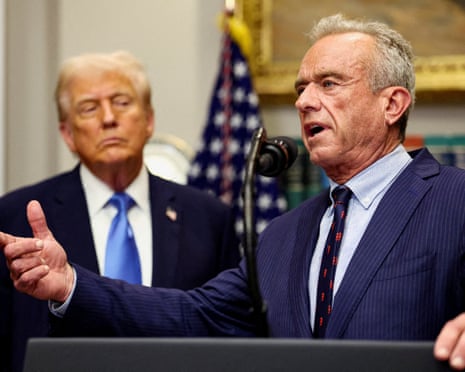
The U.S. Food and Drug Administration (FDA), under the leadership of Donald Trump, has announced a significant change in its approach to food dye regulations, which has prompted widespread criticism. The agency revealed that it will now permit companies to label their products as containing “no artificial colors” even if they include substances deemed potentially harmful, such as titanium dioxide.
In early March 2025, the FDA indicated that food manufacturers could claim “no artificial colors” as long as the dyes used are not petroleum-based. This decision follows earlier pressures from the FDA for companies to phase out petroleum-based dyes but falls short of an outright ban. Health experts warn that this new labeling could mislead consumers, as some naturally derived additives still pose health risks.
The move aligns with ongoing efforts from the Robert F. Kennedy-led Maha movement, which emphasizes removing harmful toxins from food. Since taking office in 2024, Kennedy, who serves as the Secretary of the U.S. Department of Health and Human Services, has focused on addressing issues related to food safety. Critics argue that the FDA’s decision represents a “handshake” agreement with the food industry, undermining genuine attempts to eliminate harmful substances.
Thomas Galligan, principal scientist at the Center for Science in the Public Interest, expressed frustration over the new labeling guidelines. He stated, “This is going to cause confusion and allow some companies to mislead folks about the colors that are present in their foods.” Galligan emphasized that a complete ban on artificial dyes would be the most effective way to protect consumers.
Kennedy defended the FDA’s strategy, asserting that it is a step forward. He stated, “We are making it easier for companies to move away from petroleum-based synthetic colors and adopt safer, naturally derived alternatives.” The FDA’s decision has garnered mixed reactions from advocacy groups. The Consumer Brands trade organization welcomed the FDA’s approach, viewing it as a positive development for ingredient safety and transparency.
Despite the praise from some quarters, concerns persist regarding the clarity of the new labeling. Kelly Ryerson, a Maha advocate, acknowledged the FDA’s initial pressure on the industry but stressed the need for permanent bans on harmful dyes.
Health implications associated with synthetic dyes, particularly their potential links to conditions such as ADHD and hyperactivity in children, have sparked public concern. The FDA had previously banned Red Dye 3 in January 2025, acknowledging studies that suggested it could cause cancer in laboratory animals. In response to growing public health awareness, West Virginia has enacted a ban on certain synthetic dyes, while Texas introduced legislation mandating warning labels on products containing these substances.
Natural dyes, while generally considered safer than synthetic options, are not without their risks. Galligan pointed out that the term “natural” does not inherently mean “safe,” highlighting the presence of naturally occurring toxic substances like lead and arsenic. Among the additives causing concern is titanium dioxide, which has been linked to serious health issues, including neurotoxicity and potential carcinogenic effects. The use of titanium dioxide is banned in the European Union due to safety uncertainties.
The Environmental Working Group has identified nearly 2,000 products in the U.S. food supply that may contain titanium dioxide. While some estimates suggest this number could be as high as 11,000, the majority of these products include candies, cakes, and various dessert items. Advocacy groups are urging the FDA to reconsider its approval of titanium dioxide for food use, noting an ongoing petition from five major U.S. public health organizations filed in 2023.
The complexities of food labeling continue to evolve, as naturally derived caramel colors also raise concerns due to impurities linked to cancer. Under the new labeling rules, companies can assert that products containing these additives have “no artificial flavors,” further complicating consumer understanding.
Ken Cook, co-founder of the Environmental Working Group, criticized the FDA’s recent decision, calling it “another broken promise” from Kennedy and Trump. He stated, “Instead, states are doing the hard work to protect families, while Kennedy settles for handshake deals with big food and chemical companies – agreements with no real accountability and no guarantee they’ll be honored.”
As the debate over food safety and transparency continues, public health advocates are calling for more stringent regulations to ensure consumer protection against potentially harmful food additives. With more than 25 states currently considering new bans on synthetic food dyes, the landscape of food safety regulation in the United States is likely to remain a contentious issue in the months ahead.









Belfast Gears Up for Vibrant St Patrick’s Day Parade on March 17

Cuba Faces Nationwide Blackout Amid Deepening Energy Crisis

Wirral Council to Restructure Leadership, Cutting Two Top Roles

Rethinking Resistance Training: Key Insights from US Experts

EU Membership on the Horizon: What It Means for Citizens

Ukrainian Drone Swarms Strike Moscow Region for Second Day

Henley Launches Innovative Initiative to Boost Local Economy

Court Ruling Allows Pandemic Tax Refund Claims Until 2026

Sean Penn’s Absence at 2026 Oscars Sparks Discussion

Coronation Street’s Shocking Murder Twist Reveals Family Secrets

Andrew Pierce Confirms Departure from ITV’s Good Morning Britain

Katie Price Faces New Health Concerns After Cancer Symptoms Resurface

Gyles Brandreth Shares Grandson’s Cancer Battle and Recovery

Sue Radford Reveals Weight Loss Journey, Shedding 12–13 kg

Kate Garraway Sells £2 Million Home Amid Financial Struggles

Jordan Brook Faces Health Crisis in Hospital as Sophie Kasaei Stays Away

EastEnders’ Nicola Mitchell Faces Unexpected Pregnancy Crisis

Reddit Study Reveals Distinctions Between Lurkers and Power Users
-
 World8 months ago
Coronation Street’s Shocking Murder Twist Reveals Family Secrets
-
 Entertainment8 months ago
Andrew Pierce Confirms Departure from ITV’s Good Morning Britain
-
 Health11 months ago
Katie Price Faces New Health Concerns After Cancer Symptoms Resurface
-
 Health6 months ago
Gyles Brandreth Shares Grandson’s Cancer Battle and Recovery
-
 Health6 months ago
Sue Radford Reveals Weight Loss Journey, Shedding 12–13 kg
-
 Entertainment12 months ago
Kate Garraway Sells £2 Million Home Amid Financial Struggles
-
 Entertainment5 months ago
Jordan Brook Faces Health Crisis in Hospital as Sophie Kasaei Stays Away
-
 World9 months ago
EastEnders’ Nicola Mitchell Faces Unexpected Pregnancy Crisis
-
 Science8 months ago
Reddit Study Reveals Distinctions Between Lurkers and Power Users
-

 World9 months ago
Mother Charged After Son, 9, Killed in Tragic Incident in Italy
-

 Entertainment11 months ago
Ann Ming Reflects on ITV’s ‘I Fought the Law’ Drama
-

 World9 months ago
Bailey Announces Heartbreaking Split from Rebecca After Reunion