
World
Experts Predict Doomsday Clock Will Tick Closer to Midnight

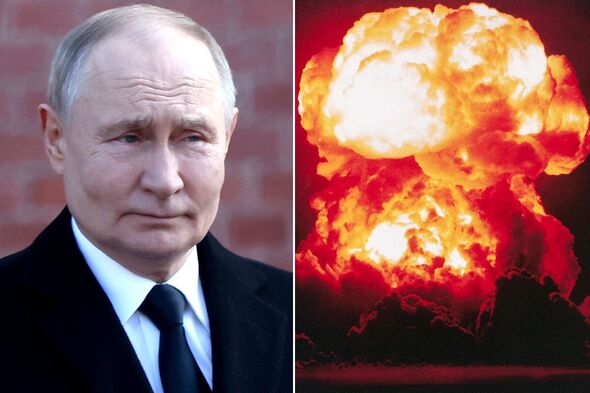
The Bulletin of the Atomic Scientists is set to update the Doomsday Clock on January 27, 2026, potentially moving it closer to midnight, a symbolic indication of humanity’s proximity to catastrophe. The announcement will occur during a live press conference at 10:00 a.m. ET (1500 GMT), which will be streamed on the Bulletin’s YouTube channel. Those interested can sign up for email alerts and a newsletter that delves into the factors influencing the Clock’s positioning.
As of 2025, the Doomsday Clock stands at an alarming 89 seconds to midnight, the closest it has ever been in its 78-year history. The setting is determined by the Bulletin’s Science and Security Board (SASB), composed of internationally recognized experts in nuclear risk, climate change, and emerging technologies. This decision-making process also involves consultation with the Bulletin’s Board of Sponsors, which includes eight Nobel Laureates.
The Doomsday Clock serves as a dramatic warning system, highlighting the immediate threats that demand urgent attention for the survival of the planet and its inhabitants. Since its inception 75 years ago, the greatest danger identified has consistently been nuclear weapons. This risk was particularly pronounced during the Cold War when the United States and the Soviet Union engaged in a nuclear arms race that posed a threat to global security.
The Bulletin has broadened its scope since 2007 to include climate change and disruptive technologies, but nuclear weapons remain a primary concern. Current global tensions are exacerbated by the impending expiration of the last remaining arms-control treaty between the United States and Russia, set to lapse in February 2026. Both nations are modernizing their nuclear arsenals, with new warheads, bombers, missiles, and submarines being developed. There is little indication that either Washington or Moscow is inclined to renew or replace the treaty, raising fears of an uncontrolled arms race.
Analysts highlight that the absence of binding agreements could intensify deployments and foster mistrust between these two nuclear powers. Meanwhile, China is rapidly expanding its nuclear arsenal, expected to match the number of intercontinental ballistic missiles held by the US or Russia by the end of the decade. North Korea continues to prioritize its nuclear development, while India and Pakistan are advancing their delivery systems capable of carrying multiple warheads.
Russia is actively modernizing its nuclear capabilities and has reportedly stationed nuclear weapons in Belarus. The United States is expanding its non-strategic nuclear weapons and constructing new production facilities. The United Kingdom has raised its warhead limit and is developing new submarines and warheads. Israel is believed to be upgrading its nuclear infrastructure, including facilities for plutonium production.
Efforts to mitigate risks have been seen with the US President ordering strikes on Iran’s nuclear facilities, which have delayed Iran’s potential to develop a nuclear bomb. However, this action has raised proliferation concerns among traditional US allies, who may now question the protection offered by the American “nuclear umbrella.”
With geopolitical conflicts spanning regions such as Ukraine, Iran, and Venezuela, more nations are contemplating the acquisition of nuclear weapons. Iran has breached limits set by the 2015 nuclear agreement by producing 60%-enriched uranium. Countries like South Korea and Japan are viewed as potential nuclear powers, while Saudi Arabia has indicated it might pursue nuclear weapons if Iran does so. Poland has also expressed willingness to host US nuclear weapons as a countermeasure against Russia.
Concerns are mounting that the US may lift its long-standing moratorium on nuclear testing. Should the US resume explosive nuclear tests, it is anticipated that China, Russia, and other nuclear powers would follow suit, further escalating global tensions. Additionally, major powers are developing faster, more maneuverable missiles and expanding their military ambitions into outer space.
Experts warn that advancements in artificial intelligence could lead to more autonomous weapons, drastically shortening decision-making times in a nuclear crisis. As the world approaches the upcoming announcement, the implications for global security remain profoundly uncertain, underscoring the urgent need for international dialogue and action.











Belfast Gears Up for Vibrant St Patrick’s Day Parade on March 17

Cuba Faces Nationwide Blackout Amid Deepening Energy Crisis

Wirral Council to Restructure Leadership, Cutting Two Top Roles

Rethinking Resistance Training: Key Insights from US Experts

EU Membership on the Horizon: What It Means for Citizens

Ukrainian Drone Swarms Strike Moscow Region for Second Day

Henley Launches Innovative Initiative to Boost Local Economy

Court Ruling Allows Pandemic Tax Refund Claims Until 2026

Sean Penn’s Absence at 2026 Oscars Sparks Discussion

Coronation Street’s Shocking Murder Twist Reveals Family Secrets

Andrew Pierce Confirms Departure from ITV’s Good Morning Britain

Katie Price Faces New Health Concerns After Cancer Symptoms Resurface

Gyles Brandreth Shares Grandson’s Cancer Battle and Recovery

Sue Radford Reveals Weight Loss Journey, Shedding 12–13 kg

Kate Garraway Sells £2 Million Home Amid Financial Struggles

Jordan Brook Faces Health Crisis in Hospital as Sophie Kasaei Stays Away

EastEnders’ Nicola Mitchell Faces Unexpected Pregnancy Crisis

Reddit Study Reveals Distinctions Between Lurkers and Power Users
-
 World9 months ago
Coronation Street’s Shocking Murder Twist Reveals Family Secrets
-
 Entertainment8 months ago
Andrew Pierce Confirms Departure from ITV’s Good Morning Britain
-
 Health12 months ago
Katie Price Faces New Health Concerns After Cancer Symptoms Resurface
-
 Health7 months ago
Gyles Brandreth Shares Grandson’s Cancer Battle and Recovery
-
 Health7 months ago
Sue Radford Reveals Weight Loss Journey, Shedding 12–13 kg
-
 Entertainment1 year ago
Kate Garraway Sells £2 Million Home Amid Financial Struggles
-
 Entertainment5 months ago
Jordan Brook Faces Health Crisis in Hospital as Sophie Kasaei Stays Away
-
 World10 months ago
EastEnders’ Nicola Mitchell Faces Unexpected Pregnancy Crisis
-
 Science9 months ago
Reddit Study Reveals Distinctions Between Lurkers and Power Users
-

 World9 months ago
Mother Charged After Son, 9, Killed in Tragic Incident in Italy
-

 World9 months ago
Bailey Announces Heartbreaking Split from Rebecca After Reunion
-

 Entertainment12 months ago
Ann Ming Reflects on ITV’s ‘I Fought the Law’ Drama