
Top Stories
Serbia Voz Faces Criticism for Operating Faulty Passenger Cars

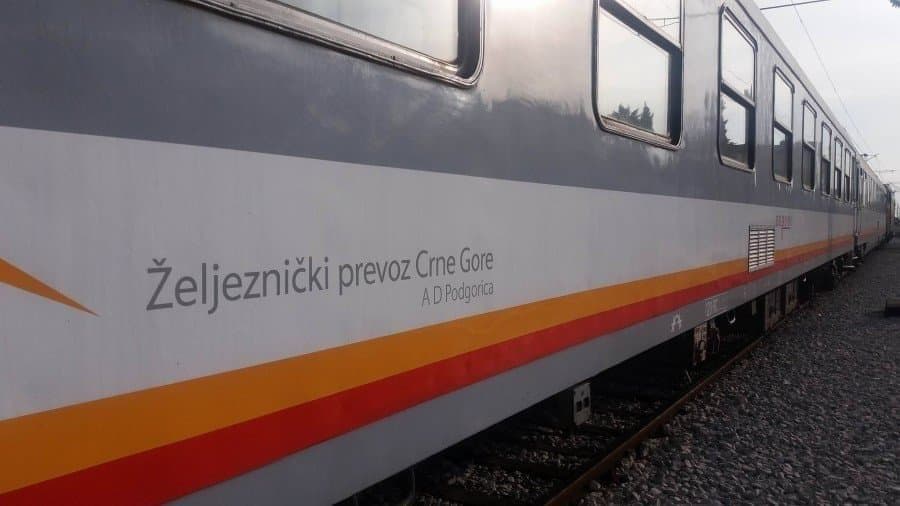
Passenger cars operated by Serbia Voz have come under scrutiny after being launched into service without a functioning heating system. This incident has raised concerns regarding safety standards and operational protocols. The Željeznička Prevoza Crne Gore (ŽPCG), responsible for the oversight of passenger car safety, confirmed that they have no authority to withdraw the faulty cars while on Serbian territory.
According to ŽPCG, the responsibility for the technical integrity and basic maintenance of passenger cars lies with their owner, which in this case is Serbia Voz. They emphasized that operational control is dictated by the laws of the country where the trains are currently operating. As such, while the passenger cars are within the borders of the Republic of Serbia, only the relevant Serbian railway authorities, including Serbia Voz and the Infrastructure of Railways of Serbia, can make decisions regarding the cars’ operation.
This situation highlights a broader issue, as ŽPCG has noted that this is not the first time faulty cars have been allowed to operate. They pointed out that Montenegrin authorities have repeatedly raised concerns about such practices, urging strict adherence to safety and technical standards.
In a statement, ŽPCG expressed their dissatisfaction with attempts to shift the blame for these oversight failures onto the Montenegrin side. They criticized the lack of a formal request for the opinion of the relevant authorities before the issue was publicized in the media.
ŽPCG stated, “It is unacceptable to try to transfer responsibility for such oversights to the Montenegrin side, especially considering that in this specific case, an official stance from the relevant authorities was not even sought prior to the publication of information in the media.”
As the train travels towards its destination in Bar, authorities in Montenegro will only be able to take action in accordance with their domestic regulations once the train arrives at the destination. This incident underscores the importance of collaboration and communication between neighboring countries to ensure the safety and efficiency of rail transport.
Both countries must address these concerns to prevent future occurrences and to uphold the safety standards that passengers expect. This situation serves as a reminder of the complexities involved in international rail operations and the shared responsibility of all parties involved.



Belfast Gears Up for Vibrant St Patrick’s Day Parade on March 17

Cuba Faces Nationwide Blackout Amid Deepening Energy Crisis

Wirral Council to Restructure Leadership, Cutting Two Top Roles

Rethinking Resistance Training: Key Insights from US Experts

EU Membership on the Horizon: What It Means for Citizens

Ukrainian Drone Swarms Strike Moscow Region for Second Day

Henley Launches Innovative Initiative to Boost Local Economy

Court Ruling Allows Pandemic Tax Refund Claims Until 2026

Sean Penn’s Absence at 2026 Oscars Sparks Discussion

Coronation Street’s Shocking Murder Twist Reveals Family Secrets

Andrew Pierce Confirms Departure from ITV’s Good Morning Britain

Katie Price Faces New Health Concerns After Cancer Symptoms Resurface

Gyles Brandreth Shares Grandson’s Cancer Battle and Recovery

Sue Radford Reveals Weight Loss Journey, Shedding 12–13 kg

Kate Garraway Sells £2 Million Home Amid Financial Struggles

Jordan Brook Faces Health Crisis in Hospital as Sophie Kasaei Stays Away

EastEnders’ Nicola Mitchell Faces Unexpected Pregnancy Crisis

Reddit Study Reveals Distinctions Between Lurkers and Power Users
-
 World8 months ago
Coronation Street’s Shocking Murder Twist Reveals Family Secrets
-
 Entertainment8 months ago
Andrew Pierce Confirms Departure from ITV’s Good Morning Britain
-
 Health11 months ago
Katie Price Faces New Health Concerns After Cancer Symptoms Resurface
-
 Health6 months ago
Gyles Brandreth Shares Grandson’s Cancer Battle and Recovery
-
 Health6 months ago
Sue Radford Reveals Weight Loss Journey, Shedding 12–13 kg
-
 Entertainment12 months ago
Kate Garraway Sells £2 Million Home Amid Financial Struggles
-
 Entertainment4 months ago
Jordan Brook Faces Health Crisis in Hospital as Sophie Kasaei Stays Away
-
 World9 months ago
EastEnders’ Nicola Mitchell Faces Unexpected Pregnancy Crisis
-
 Science8 months ago
Reddit Study Reveals Distinctions Between Lurkers and Power Users
-

 World8 months ago
Mother Charged After Son, 9, Killed in Tragic Incident in Italy
-

 Entertainment11 months ago
Ann Ming Reflects on ITV’s ‘I Fought the Law’ Drama
-

 World8 months ago
Bailey Announces Heartbreaking Split from Rebecca After Reunion