
Top Stories
Pro-Trump Activists Urge National Emergency Over Election Claims

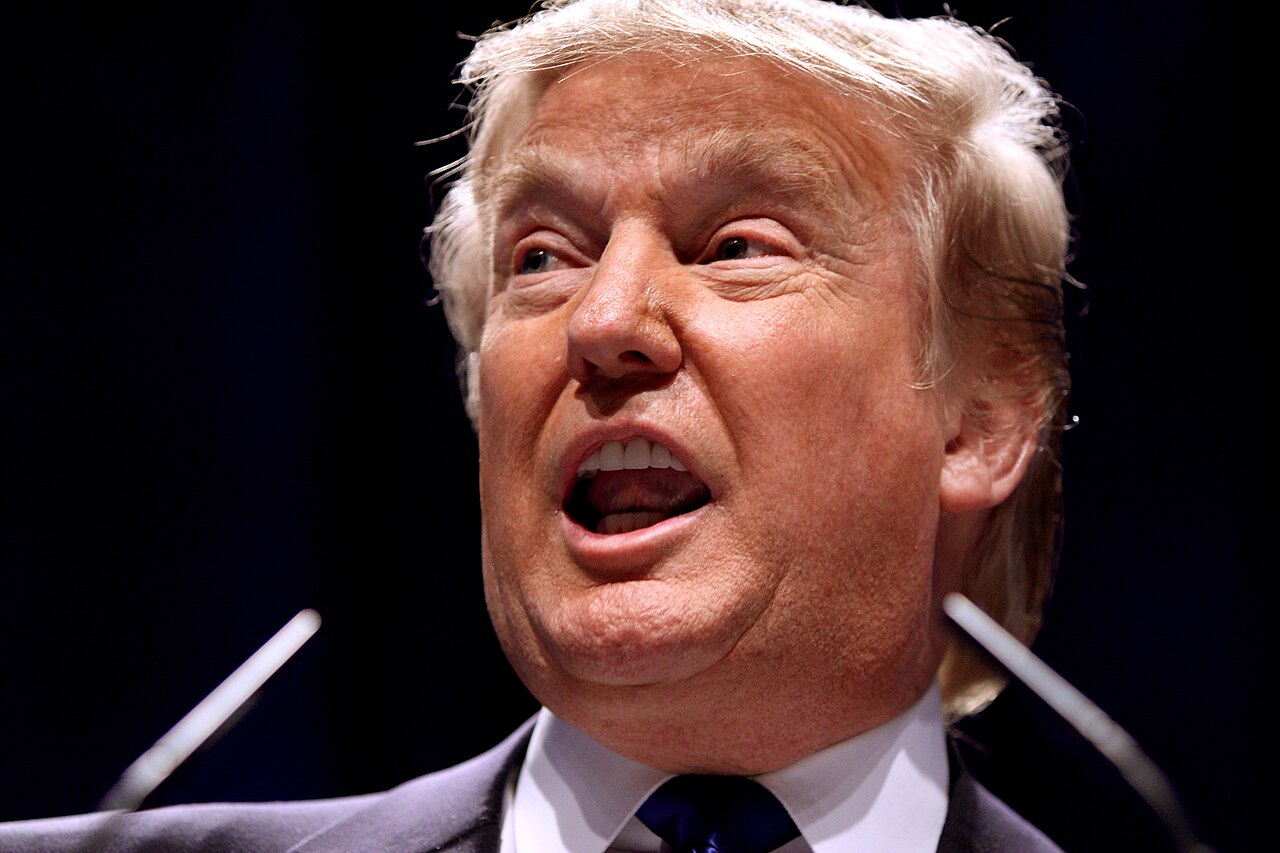
A draft executive order circulated by pro-Trump activists is pushing for President Donald Trump to declare a national emergency concerning the 2020 presidential election, citing alleged Chinese interference. This 17-page document, first reported by The Washington Post on February 26, 2026, is said to have been developed in coordination with individuals close to the White House, despite the intelligence community’s strong rejection of such claims.
The order, if enacted, would grant Trump broad unilateral power over voting procedures nationwide just ahead of the November midterms. Advocates of the draft expect it to serve as the foundation for a formal executive order, which Trump has hinted at in recent weeks. According to sources, he has already reviewed various iterations of the document.
The principal author of the draft is Peter Ticktin, a Florida attorney and former classmate of Trump at the New York Military Academy. Ticktin has indicated that he coordinated with unnamed White House officials during the drafting process, but cited safety concerns for not disclosing their identities. He also represents Tina Peters, a former Colorado county clerk who received a federal pardon from Trump in December 2024 for breaking into voting equipment, although that pardon did not impact her nine-year state sentence.
Another notable figure involved is Jerome Corsi, known for his promotion of conspiracy theories, including the “birther” claims against former President Barack Obama. Corsi stated he circulated an early version of the draft in July 2025 and claimed that the legal rationale for the order was developed in collaboration with Ticktin’s law firm. He emphasized the need to address foreign interference, saying, “If there was a provable foreign intrusion, that would be a national security emergency.”
Ticktin revealed that during the drafting process, he also communicated with former National Security Advisor Michael Flynn, MyPillow CEO Mike Lindell, and former Overstock CEO Patrick Byrne. All four individuals have been actively involved in efforts to challenge the results of the 2020 election.
The proposed order would enable Trump to ban mail-in ballots and electronic voting machines, labeling them as “vectors of foreign interference.” It would also mandate the use of hand-counted ballots, a provision Ticktin highlighted as crucial, stating, “Get rid of the machines. That’s what we need to do right away.”
Despite the advocates’ intentions, they acknowledge a significant constitutional hurdle. Ticktin admitted, “Under the Constitution, it’s the legislatures and states that really control how a state conducts its elections, and the president doesn’t have any power to do that.” They contend, however, that an emergency declaration could override this authority.
The central claim of Chinese interference contradicts the Intelligence Community Assessment released on March 16, 2021, by Avril Haines, Director of National Intelligence. The report, issued with high confidence, stated, “We assess that China did not deploy interference efforts and considered but did not deploy influence efforts intended to change the outcome of the US Presidential election.” It also found that no foreign entity attempted to alter technical aspects of the voting process.
While one intelligence officer disagreed, arguing that China had taken steps to undermine Trump, this dissent did not shift the consensus conclusion. The report identified Russia as the primary actor in foreign interference, citing a sustained disinformation campaign aimed at supporting Trump and disparaging Joe Biden.
A separate investigation by the Senate Judiciary Committee found that the FBI’s Albany Field Office had developed a confidential source alleging that China created fraudulent driver’s licenses for mail-in voting. However, the FBI’s headquarters allegedly closed down this investigation prematurely, a decision described in the Senate report as “abnormal” and politically motivated.
A White House official refrained from confirming or denying Trump’s intentions regarding the draft order, stating, “Staff is regularly in communication with a variety of outside advocates who want to share their policy ideas with the President.” The official emphasized that any speculation about potential policies remains just that—speculation.
The urgency surrounding the proposed emergency order is driven by legislative developments on Capitol Hill. Trump has been vocal in urging the Senate to pass the SAVE America Act, a revised version of the Safeguard American Voter Eligibility Act, which narrowly passed the House 220-208 earlier in February, with only one Democrat supporting it. This legislation would require documentary proof of citizenship during voter registration and photo identification at polling places.
On February 25, Senate Majority Leader John Thune acknowledged that the bill lacks a viable path in the Senate due to Democratic opposition and the need for a 60-vote threshold to overcome a filibuster. Trump’s response to this legislative stalemate has been direct. In a post on Truth Social dated February 13, he declared, “There will be Voter I.D. for the Midterm Elections, whether approved by Congress or not!” He followed that with a warning of forthcoming unilateral action through an executive order, stating, “I have searched the depths of Legal Arguments not yet articulated or vetted on this subject.”
Former White House strategist Steve Bannon expressed support for the investigations into what he termed the “Big Steal” of the 2020 election. He claimed, without providing evidence, that “the CCP took an active role in removing President Trump from office.”
Democrats have strongly criticized the draft order, linking it to Trump’s rhetoric. House Minority Leader Hakeem Jeffries and House Administration Committee Ranking Member Joe Morelle issued a statement rejecting the legality of any executive order based on what they described as debunked claims of Chinese interference in the 2020 election.
Should Trump choose to sign the order, its legal ramifications could significantly shape the boundaries of executive power over American democracy for years to come.







Belfast Gears Up for Vibrant St Patrick’s Day Parade on March 17

Cuba Faces Nationwide Blackout Amid Deepening Energy Crisis

Wirral Council to Restructure Leadership, Cutting Two Top Roles

Rethinking Resistance Training: Key Insights from US Experts

EU Membership on the Horizon: What It Means for Citizens

Ukrainian Drone Swarms Strike Moscow Region for Second Day

Henley Launches Innovative Initiative to Boost Local Economy

Court Ruling Allows Pandemic Tax Refund Claims Until 2026

Sean Penn’s Absence at 2026 Oscars Sparks Discussion

Coronation Street’s Shocking Murder Twist Reveals Family Secrets

Andrew Pierce Confirms Departure from ITV’s Good Morning Britain

Katie Price Faces New Health Concerns After Cancer Symptoms Resurface

Sue Radford Reveals Weight Loss Journey, Shedding 12–13 kg

Kate Garraway Sells £2 Million Home Amid Financial Struggles

Jordan Brook Faces Health Crisis in Hospital as Sophie Kasaei Stays Away

EastEnders’ Nicola Mitchell Faces Unexpected Pregnancy Crisis

Bailey Announces Heartbreaking Split from Rebecca After Reunion

Ann Ming Reflects on ITV’s ‘I Fought the Law’ Drama
-
 World4 months ago
Coronation Street’s Shocking Murder Twist Reveals Family Secrets
-
 Entertainment4 months ago
Andrew Pierce Confirms Departure from ITV’s Good Morning Britain
-
 Health7 months ago
Katie Price Faces New Health Concerns After Cancer Symptoms Resurface
-
 Health2 months ago
Sue Radford Reveals Weight Loss Journey, Shedding 12–13 kg
-
 Entertainment8 months ago
Kate Garraway Sells £2 Million Home Amid Financial Struggles
-
 Entertainment3 weeks ago
Jordan Brook Faces Health Crisis in Hospital as Sophie Kasaei Stays Away
-
 World5 months ago
EastEnders’ Nicola Mitchell Faces Unexpected Pregnancy Crisis
-
 World5 months ago
Bailey Announces Heartbreaking Split from Rebecca After Reunion
-
 Entertainment7 months ago
Ann Ming Reflects on ITV’s ‘I Fought the Law’ Drama
-

 Entertainment2 months ago
Selena Gomez’s Name Linked to Epstein: Examining the Claims
-

 Health7 months ago
TOWIE Stars Sophie Kasaei and Jordan Brook Pursue Fertility Treatment
-

 Health7 months ago
Fiona Phillips’ Husband Shares Heartbreaking Update on Her Health