
Top Stories
New York City Faces Political Challenges for Robotaxis Approval

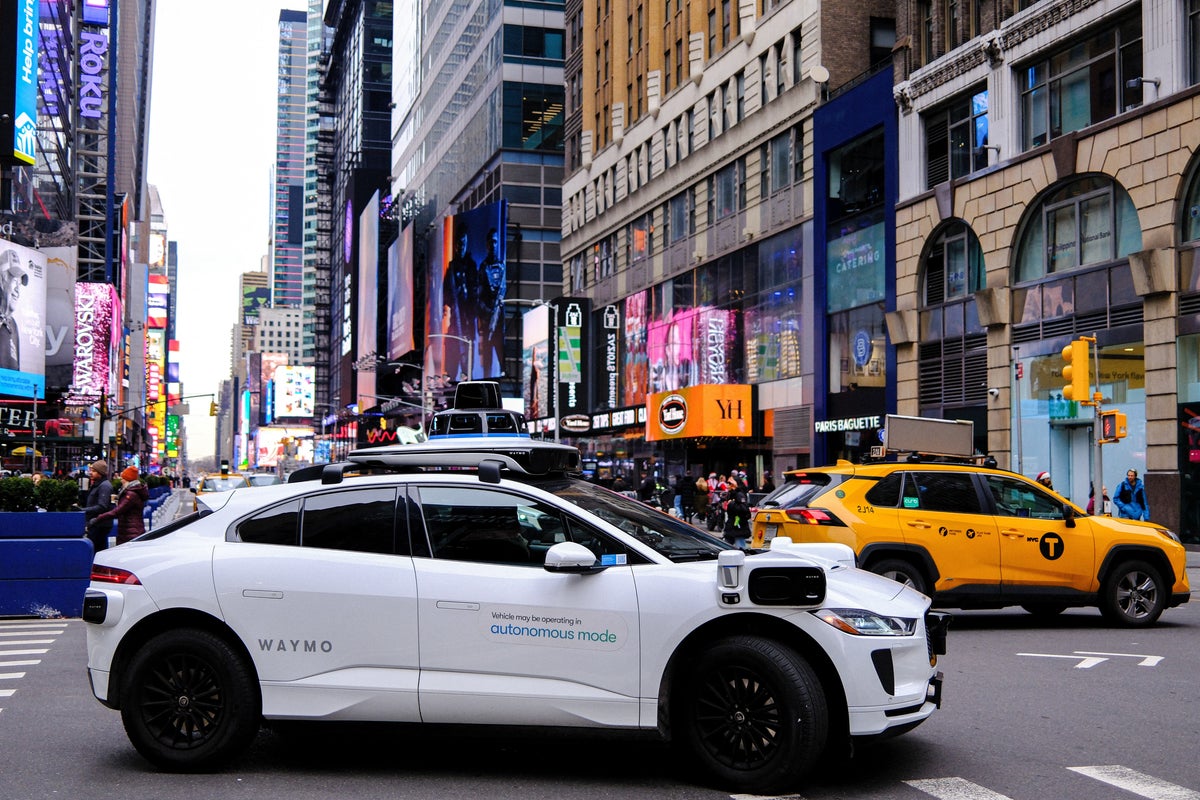
The future of self-driving taxis in New York City hangs in the balance as political tensions rise around the introduction of autonomous vehicles. While companies such as Waymo, Zoox, and May Mobility have successfully deployed robotaxis in cities like San Francisco and Miami, New York officials have yet to embrace this emerging technology.
In a recent statement, Governor Kathy Hochul announced plans to introduce legislation that would permit a small fleet of commercial, for-hire self-driving vehicles to operate outside the city’s five boroughs. This proposal aligns with similar efforts in Albany, where lawmakers are considering legislation to allow autonomous vehicles on public roads throughout the state.
Despite the advancements in other regions, New York City officials appear hesitant. Mayor Zohran Mamdani, a staunch supporter of taxi drivers, has expressed concerns over the impact of robotaxis on the livelihoods of traditional cab operators. The New York Taxi Workers Alliance, which represents yellow cab drivers and supported Mamdani’s election campaign, has voiced significant skepticism about the safety and viability of self-driving taxis.
“There’s potential here for massive job loss, and also a fundamental change in the service that New Yorkers are provided,” stated Bhairavi Desai, executive director of the New York Taxi Workers Alliance, in an interview with City & State. Although Mamdani has not officially stated his position on self-driving taxis, he previously indicated a serious approach towards the arrival of autonomous vehicles, emphasizing the need for policies that focus on the interests of drivers.
A spokesperson for Hochul reinforced the governor’s commitment to protecting workers, stating, “Governor Hochul will always stand with workers and has no interest in advancing policies that put hard-working New Yorkers’ jobs at risk.” This spokesperson described the governor’s proposal as “limited” and “safety-focused.”
Political resistance to robotaxis is not new. Last year, Brad Hoylman-Sigal, then borough president of Manhattan, introduced legislation intended to prohibit self-driving vehicles from operating in New York City without proper licensing from the city’s taxi and limousine commission. However, this initiative failed to progress beyond committee discussions.
Former Mayor Eric Adams had previously initiated a testing program that allowed companies like Waymo to secure permits for limited self-driving taxi operations in parts of Manhattan and Brooklyn. This program is set to conclude on April 1, 2024.
In a statement to Politico, a representative for Waymo commented on the situation: “Our operations in New York City are extraordinarily helpful for ensuring our technology is ready for the Big Apple in the future.” They also expressed optimism that Governor Hochul’s proposal would facilitate a broader reach for self-driving services outside the city, stating, “We look forward to exploring more communities throughout the state.”
Yet, Desai remains doubtful about the prospects of robotaxis gaining traction in New York City. She pointed out the political implications for Hochul, suggesting that the governor’s alignment with working-class voters makes the approval of such legislation unlikely as she approaches an election year.
As the debate continues, the stakes are high for both the future of self-driving technology and the livelihoods of those who depend on traditional taxi services in New York City. The outcome of this political struggle will ultimately shape the landscape of urban transportation and could redefine the relationship between technology and employment in the sector.










Belfast Gears Up for Vibrant St Patrick’s Day Parade on March 17

Cuba Faces Nationwide Blackout Amid Deepening Energy Crisis

Wirral Council to Restructure Leadership, Cutting Two Top Roles

Rethinking Resistance Training: Key Insights from US Experts

EU Membership on the Horizon: What It Means for Citizens

Ukrainian Drone Swarms Strike Moscow Region for Second Day

Henley Launches Innovative Initiative to Boost Local Economy

Court Ruling Allows Pandemic Tax Refund Claims Until 2026

Sean Penn’s Absence at 2026 Oscars Sparks Discussion

Coronation Street’s Shocking Murder Twist Reveals Family Secrets

Andrew Pierce Confirms Departure from ITV’s Good Morning Britain

Katie Price Faces New Health Concerns After Cancer Symptoms Resurface

Gyles Brandreth Shares Grandson’s Cancer Battle and Recovery

Sue Radford Reveals Weight Loss Journey, Shedding 12–13 kg

Kate Garraway Sells £2 Million Home Amid Financial Struggles

Jordan Brook Faces Health Crisis in Hospital as Sophie Kasaei Stays Away

EastEnders’ Nicola Mitchell Faces Unexpected Pregnancy Crisis

Reddit Study Reveals Distinctions Between Lurkers and Power Users
-
 World8 months ago
Coronation Street’s Shocking Murder Twist Reveals Family Secrets
-
 Entertainment8 months ago
Andrew Pierce Confirms Departure from ITV’s Good Morning Britain
-
 Health12 months ago
Katie Price Faces New Health Concerns After Cancer Symptoms Resurface
-
 Health7 months ago
Gyles Brandreth Shares Grandson’s Cancer Battle and Recovery
-
 Health7 months ago
Sue Radford Reveals Weight Loss Journey, Shedding 12–13 kg
-
 Entertainment1 year ago
Kate Garraway Sells £2 Million Home Amid Financial Struggles
-
 Entertainment5 months ago
Jordan Brook Faces Health Crisis in Hospital as Sophie Kasaei Stays Away
-
 World9 months ago
EastEnders’ Nicola Mitchell Faces Unexpected Pregnancy Crisis
-
 Science8 months ago
Reddit Study Reveals Distinctions Between Lurkers and Power Users
-

 World9 months ago
Mother Charged After Son, 9, Killed in Tragic Incident in Italy
-

 Entertainment12 months ago
Ann Ming Reflects on ITV’s ‘I Fought the Law’ Drama
-

 World9 months ago
Bailey Announces Heartbreaking Split from Rebecca After Reunion