
Top Stories
Japanese Court Sentences Assassin of Former PM Shinzo Abe to Life

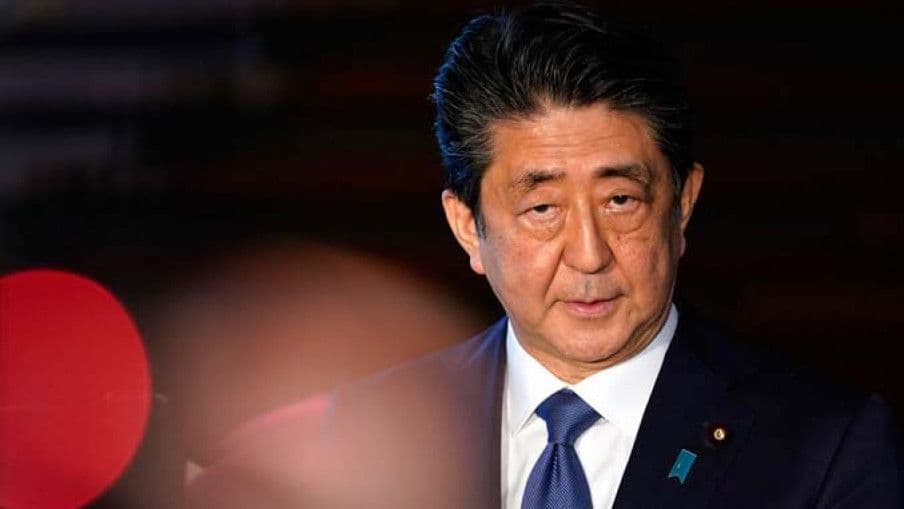
A Japanese court has sentenced Tecuya Jamagami (45) to life imprisonment for the assassination of former Prime Minister Shinzo Abe. The ruling follows a trial in which Jamagami confessed to using a homemade firearm to kill Abe during a campaign speech in Nara on July 8, 2022.
Prosecutors had sought a life sentence for Jamagami, who admitted to the crime, emphasizing the premeditated nature of the act. The assassination took place outside the Yamato-Saidaiji railway station, where Abe was addressing supporters just days before the upper house elections. Jamagami claimed his actions were driven by deep resentment towards the Unification Church, which he accused of financially ruining his family through aggressive fundraising tactics.
In court, Jamagami articulated that he viewed Abe as being at the center of the church’s political involvement in Japan. This controversial organization has been under scrutiny for its methods of soliciting large donations, leading to a governmental investigation into its practices. As a consequence of these findings, the church is facing the potential revocation of its tax-exempt status as a religious entity.
The case has ignited discussions about the influence of religious groups in politics and the societal implications of financial exploitation. The prosecution painted a picture of premeditated intent, citing Jamagami’s preparation and planning leading up to the assassination.
Abe, Japan’s longest-serving prime minister, was a significant figure in national and international politics. His death sent shockwaves through the nation and prompted widespread condemnation from political leaders both domestically and abroad.
The court’s decision to impose a life sentence reflects the severity of the crime and the impact it had on Japan’s political landscape. Jamagami’s motivations, rooted in personal grievance, highlight the complex intersections of politics, religion, and individual actions in contemporary society.
As the investigation into the Unification Church unfolds, it raises questions about accountability and the role of such organizations in shaping political narratives. The ruling may serve as a pivotal moment in addressing the relationship between political figures and religious entities in Japan.
The case remains a focal point for discussions on security measures for public figures and the need for comprehensive reviews of the influence of nonprofit organizations on national politics.









Belfast Gears Up for Vibrant St Patrick’s Day Parade on March 17

Cuba Faces Nationwide Blackout Amid Deepening Energy Crisis

Wirral Council to Restructure Leadership, Cutting Two Top Roles

Rethinking Resistance Training: Key Insights from US Experts

EU Membership on the Horizon: What It Means for Citizens

Ukrainian Drone Swarms Strike Moscow Region for Second Day

Henley Launches Innovative Initiative to Boost Local Economy

Court Ruling Allows Pandemic Tax Refund Claims Until 2026

Sean Penn’s Absence at 2026 Oscars Sparks Discussion

Coronation Street’s Shocking Murder Twist Reveals Family Secrets

Andrew Pierce Confirms Departure from ITV’s Good Morning Britain

Katie Price Faces New Health Concerns After Cancer Symptoms Resurface

Sue Radford Reveals Weight Loss Journey, Shedding 12–13 kg

Kate Garraway Sells £2 Million Home Amid Financial Struggles

Jordan Brook Faces Health Crisis in Hospital as Sophie Kasaei Stays Away

EastEnders’ Nicola Mitchell Faces Unexpected Pregnancy Crisis

Bailey Announces Heartbreaking Split from Rebecca After Reunion

Ann Ming Reflects on ITV’s ‘I Fought the Law’ Drama
-
 World4 months ago
Coronation Street’s Shocking Murder Twist Reveals Family Secrets
-
 Entertainment4 months ago
Andrew Pierce Confirms Departure from ITV’s Good Morning Britain
-
 Health7 months ago
Katie Price Faces New Health Concerns After Cancer Symptoms Resurface
-
 Health2 months ago
Sue Radford Reveals Weight Loss Journey, Shedding 12–13 kg
-
 Entertainment8 months ago
Kate Garraway Sells £2 Million Home Amid Financial Struggles
-
 Entertainment3 weeks ago
Jordan Brook Faces Health Crisis in Hospital as Sophie Kasaei Stays Away
-
 World5 months ago
EastEnders’ Nicola Mitchell Faces Unexpected Pregnancy Crisis
-
 World5 months ago
Bailey Announces Heartbreaking Split from Rebecca After Reunion
-
 Entertainment7 months ago
Ann Ming Reflects on ITV’s ‘I Fought the Law’ Drama
-

 Entertainment2 months ago
Selena Gomez’s Name Linked to Epstein: Examining the Claims
-

 Health7 months ago
TOWIE Stars Sophie Kasaei and Jordan Brook Pursue Fertility Treatment
-

 Health7 months ago
Fiona Phillips’ Husband Shares Heartbreaking Update on Her Health