
Top Stories
Discovering the Hidden Cause of Hair Loss in Your 40s

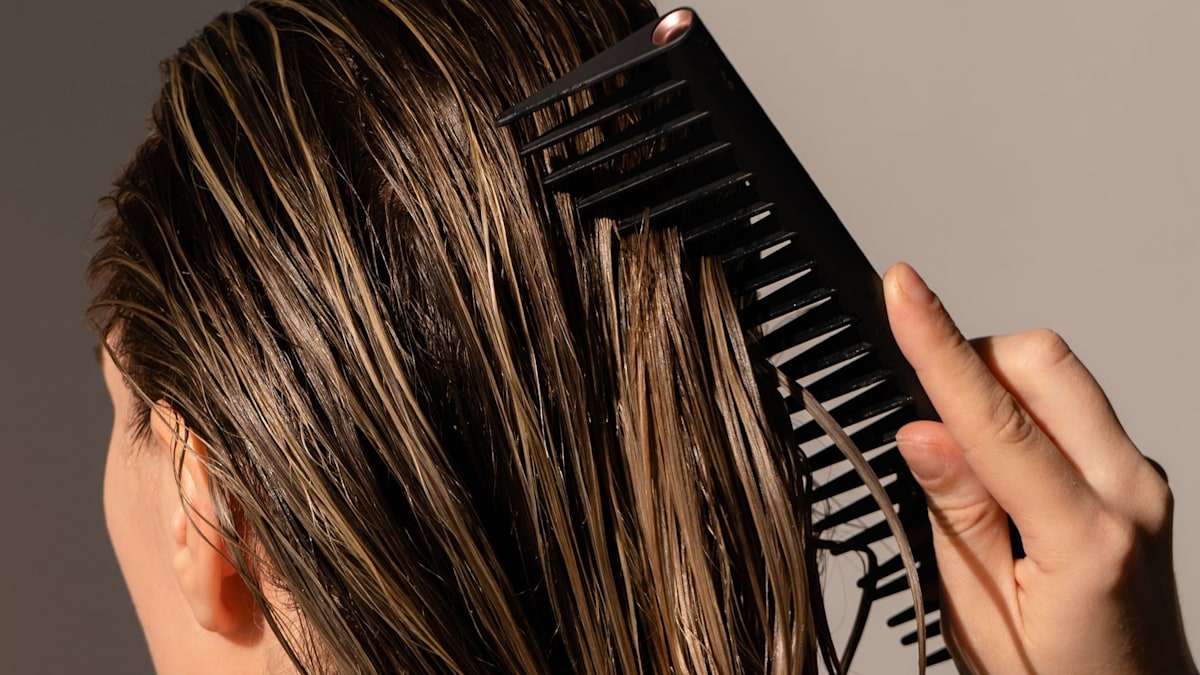
Experiencing hair loss in one’s 40s can be disheartening, and many attribute this change to hormonal shifts, particularly during perimenopause. However, a recent consultation with Anabel Kingsley, a prominent trichologist and president of Philip Kingsley Clinics, revealed that illnesses, such as the flu, can also play a significant role in hair thinning.
During an appointment, Kingsley examined the scalp and asked if the patient had been ill a few months prior. The answer was a resounding yes, following a debilitating bout of flu that lasted weeks. Kingsley confirmed that this hair loss was indeed linked to the recent illness.
Understanding Hair Loss After Illness
According to Dr. Amy Vowler, a general practitioner with the NHS and medical director of Hair GP, hair loss following illnesses like flu or Covid-19 is more common than many realize. This condition, known as telogen effluvium, often arises following a high fever. The timing of hair shedding can be misleading, as it typically begins two to three months after the illness, leading many to overlook the connection between their health and hair loss.
The mechanism behind this phenomenon involves the body’s response to infection. Sharon Wong, a consultant dermatologist and president of The Institute of Trichologists, explains that infections generate inflammatory chemicals called cytokines. These disrupt the normal hair growth cycle, causing more hair follicles to enter the resting phase prematurely, leading to increased shedding.
Despite the distressing nature of this hair loss, the prognosis is generally positive. “Even if the shedding looks or feels dramatic, it will come to a halt once the hair cycle normalizes,” Kingsley reassures patients, though Wong notes that regaining lost volume can take up to a year, depending on individual hair growth rates.
Identifying Telogen Effluvium
In the UK, approximately eight million women experience some form of hair loss, with causes ranging from hormonal changes to natural ageing. A recent survey conducted by Louise Newson, known as the Menopause Doctor, indicated that half of women reported noticing thinning hair during perimenopause, and 39% experienced hair loss.
Recognizing if hair loss is related to illness can be crucial. With telogen effluvium, individuals often observe a sudden increase in daily hair shedding. This type of hair loss differs from conditions like female pattern hair loss, which typically manifests as a widening parting, or alopecia areata, characterized by circular patches. Those affected may notice more hair on their brush or in the shower, or experience a noticeable change in their ponytail’s thickness.
If hair shedding persists for longer than six months, or if it is accompanied by symptoms such as weight loss, changes in menstrual cycles, fatigue, or patchy hair loss, seeking professional advice is essential.
Promoting Healthy Hair Regrowth
While individuals cannot prevent hair that has entered the resting phase from falling out, there are several ways to support healthy regrowth and protect existing hair. Experts agree on the importance of a nutrient-dense diet. Consuming ample protein, along with micronutrients like vitamins B12 and D, zinc, and folate, can facilitate healthy hair growth.
Additionally, targeted supplements and scalp treatments can enhance scalp health and encourage follicles to remain in the growth phase. Wong emphasizes that flu-related telogen effluvium typically resolves itself, but persistent shedding can benefit from treatments such as topical minoxidil, platelet-rich plasma (PRP), or Tricopat.
For those looking for effective products to support hair recovery, options vary widely. Budget-friendly solutions include Pantene’s Abundant and Strong Anti-Hair Loss Shampoo (£7), which aims to strengthen hair at the root. On the higher end, Obagi Medical’s Nu-Cil Biostim Scalp Serum (£114.50) hydrates and repairs the scalp environment.
For those seeking a more high-tech solution, Current Body’s LED Hair Growth Helmet (£649.99) has been reported to stimulate hair follicles effectively. A user noted significant improvements in hair regrowth after chemotherapy. For targeted treatment of hairlines, Scandinavian Labs’ Bio-Pilixin Hairline Booster (£30) offers a precision rollerball applicator for problem areas.
Lastly, Dyson’s Amino Leave-in Treatment (£46), clinically proven to reduce hair loss by 63%, and Vichy’s Dercos Anti-Hair Loss Aminixel Clinical Regen Serum (£47) are also recommended to maintain a healthy scalp and promote fuller hair.
Hair loss can be a challenging experience, especially as one navigates the changes of midlife. Yet understanding the underlying causes, particularly illness-related factors, and knowing that effective treatments exist can provide hope and a path forward.











Belfast Gears Up for Vibrant St Patrick’s Day Parade on March 17

Cuba Faces Nationwide Blackout Amid Deepening Energy Crisis

Wirral Council to Restructure Leadership, Cutting Two Top Roles

Rethinking Resistance Training: Key Insights from US Experts

EU Membership on the Horizon: What It Means for Citizens

Ukrainian Drone Swarms Strike Moscow Region for Second Day

Henley Launches Innovative Initiative to Boost Local Economy

Court Ruling Allows Pandemic Tax Refund Claims Until 2026

Sean Penn’s Absence at 2026 Oscars Sparks Discussion

Coronation Street’s Shocking Murder Twist Reveals Family Secrets

Andrew Pierce Confirms Departure from ITV’s Good Morning Britain

Katie Price Faces New Health Concerns After Cancer Symptoms Resurface

Gyles Brandreth Shares Grandson’s Cancer Battle and Recovery

Sue Radford Reveals Weight Loss Journey, Shedding 12–13 kg

Kate Garraway Sells £2 Million Home Amid Financial Struggles

Jordan Brook Faces Health Crisis in Hospital as Sophie Kasaei Stays Away

EastEnders’ Nicola Mitchell Faces Unexpected Pregnancy Crisis

Reddit Study Reveals Distinctions Between Lurkers and Power Users
-
 World9 months ago
Coronation Street’s Shocking Murder Twist Reveals Family Secrets
-
 Entertainment8 months ago
Andrew Pierce Confirms Departure from ITV’s Good Morning Britain
-
 Health12 months ago
Katie Price Faces New Health Concerns After Cancer Symptoms Resurface
-
 Health7 months ago
Gyles Brandreth Shares Grandson’s Cancer Battle and Recovery
-
 Health7 months ago
Sue Radford Reveals Weight Loss Journey, Shedding 12–13 kg
-
 Entertainment1 year ago
Kate Garraway Sells £2 Million Home Amid Financial Struggles
-
 Entertainment5 months ago
Jordan Brook Faces Health Crisis in Hospital as Sophie Kasaei Stays Away
-
 World10 months ago
EastEnders’ Nicola Mitchell Faces Unexpected Pregnancy Crisis
-
 Science8 months ago
Reddit Study Reveals Distinctions Between Lurkers and Power Users
-

 World9 months ago
Mother Charged After Son, 9, Killed in Tragic Incident in Italy
-

 Entertainment12 months ago
Ann Ming Reflects on ITV’s ‘I Fought the Law’ Drama
-

 World9 months ago
Bailey Announces Heartbreaking Split from Rebecca After Reunion