
Health
Nerve Pain in Right Shoulder Linked to Liver Cancer Risk

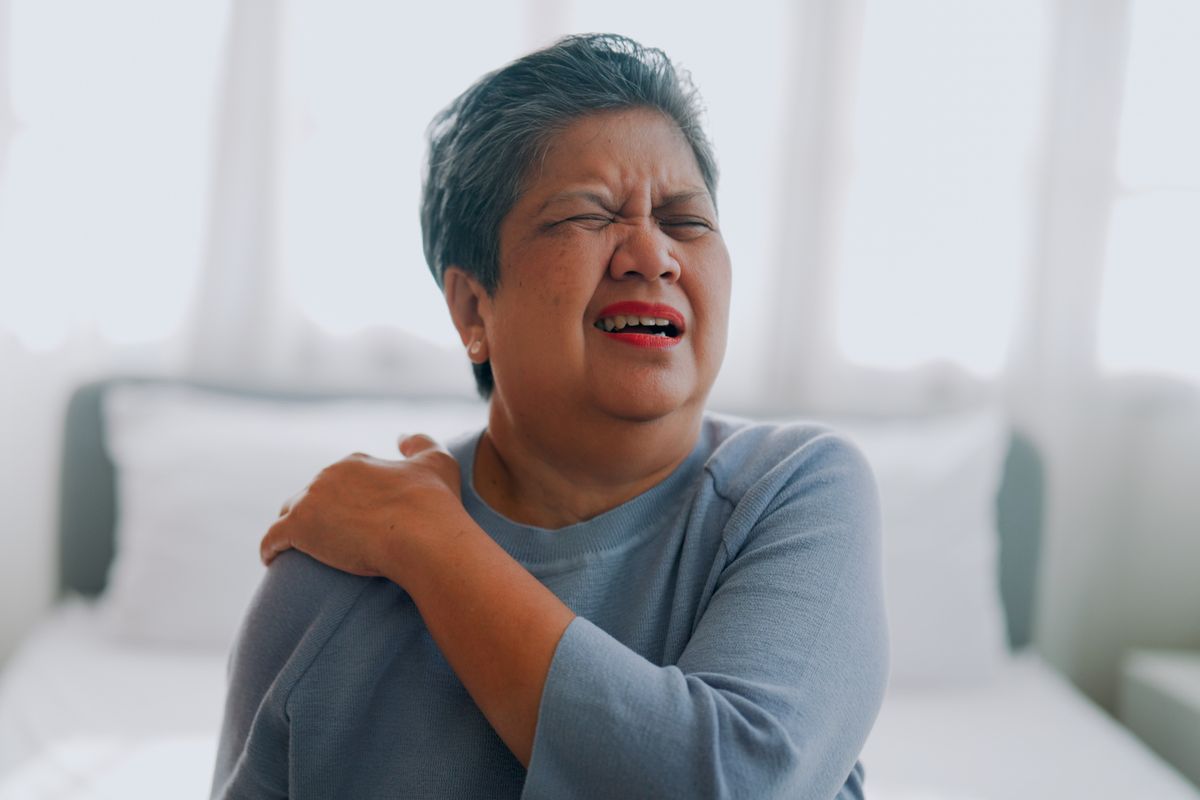
A recent update from the NHS highlights that pain in the right shoulder may indicate liver cancer, a condition often referred to as a “silent killer.” This symptom arises from a phenomenon known as “referred pain,” where discomfort is perceived in one area of the body while originating from another.
The connection between shoulder pain and liver cancer stems from the liver’s anatomical positioning and its interaction with the nervous system. When the liver becomes enlarged due to cancer, it can exert pressure on nerves that affect the shoulder area. According to the Cancer Research UK website, “A swollen (enlarged) liver can cause pain in your right shoulder or back.” This referred pain occurs as the liver’s swelling stimulates nerve connections that extend to the shoulder.
Understanding Referred Pain and Liver Symptoms
Referred pain is a common medical phenomenon, evident in various conditions. For example, headaches can result from neck issues, while discomfort in the knee may arise from hip problems. In the case of liver cancer, the symptoms can be subtle or even absent in early stages, making early detection challenging.
The British Liver Trust emphasizes the rising incidence of liver disease in the UK, with over 11,000 deaths attributed to liver disease annually—more than 31 deaths each day. Alarmingly, liver cancer has one of the lowest survival rates of any cancer type, with only 13% of patients surviving for five years or more after diagnosis.
Individuals with liver disease are particularly at risk, as 80-90% of those diagnosed with hepatocellular carcinoma (HCC) have underlying cirrhosis. Early detection remains crucial, yet many patients are diagnosed at advanced stages, limiting treatment options to symptom management rather than curative approaches.
Key Signs and Risk Factors for Liver Cancer
Symptoms of liver cancer often include jaundice, which manifests as yellowing of the skin and eyes, loss of appetite, unexplained weight loss, and persistent fatigue. Other notable signs may include abdominal swelling and pain in the upper right abdomen or shoulder.
It is essential for individuals experiencing these symptoms, particularly those with pre-existing liver conditions, to consult a healthcare professional. The NHS advises that while these symptoms are common and can result from various conditions, they warrant investigation to rule out serious illnesses like liver cancer.
The risk factors for developing liver cancer include age, with individuals over 60 being more susceptible, and specific medical conditions such as hepatitis, liver cirrhosis, and a family history of liver cancer. Lifestyle choices also play a role; excessive alcohol consumption, smoking, and exposure to harmful chemicals can elevate the risk.
To mitigate these risks, the NHS recommends maintaining a healthy weight, limiting alcohol intake to no more than 14 units per week, and seeking medical advice for any concerning symptoms.
Liver cancer presents significant challenges, but awareness and early intervention can improve outcomes. Individuals should remain vigilant about their health and consult healthcare providers if they notice any alarming changes.









Belfast Gears Up for Vibrant St Patrick’s Day Parade on March 17

Cuba Faces Nationwide Blackout Amid Deepening Energy Crisis

Wirral Council to Restructure Leadership, Cutting Two Top Roles

Rethinking Resistance Training: Key Insights from US Experts

EU Membership on the Horizon: What It Means for Citizens

Ukrainian Drone Swarms Strike Moscow Region for Second Day

Henley Launches Innovative Initiative to Boost Local Economy

Court Ruling Allows Pandemic Tax Refund Claims Until 2026

Sean Penn’s Absence at 2026 Oscars Sparks Discussion

Coronation Street’s Shocking Murder Twist Reveals Family Secrets

Andrew Pierce Confirms Departure from ITV’s Good Morning Britain

Katie Price Faces New Health Concerns After Cancer Symptoms Resurface

Gyles Brandreth Shares Grandson’s Cancer Battle and Recovery

Sue Radford Reveals Weight Loss Journey, Shedding 12–13 kg

Kate Garraway Sells £2 Million Home Amid Financial Struggles

Jordan Brook Faces Health Crisis in Hospital as Sophie Kasaei Stays Away

EastEnders’ Nicola Mitchell Faces Unexpected Pregnancy Crisis

Reddit Study Reveals Distinctions Between Lurkers and Power Users
-
 World8 months ago
Coronation Street’s Shocking Murder Twist Reveals Family Secrets
-
 Entertainment8 months ago
Andrew Pierce Confirms Departure from ITV’s Good Morning Britain
-
 Health12 months ago
Katie Price Faces New Health Concerns After Cancer Symptoms Resurface
-
 Health7 months ago
Gyles Brandreth Shares Grandson’s Cancer Battle and Recovery
-
 Health7 months ago
Sue Radford Reveals Weight Loss Journey, Shedding 12–13 kg
-
 Entertainment1 year ago
Kate Garraway Sells £2 Million Home Amid Financial Struggles
-
 Entertainment5 months ago
Jordan Brook Faces Health Crisis in Hospital as Sophie Kasaei Stays Away
-
 World10 months ago
EastEnders’ Nicola Mitchell Faces Unexpected Pregnancy Crisis
-
 Science8 months ago
Reddit Study Reveals Distinctions Between Lurkers and Power Users
-

 World9 months ago
Mother Charged After Son, 9, Killed in Tragic Incident in Italy
-

 Entertainment12 months ago
Ann Ming Reflects on ITV’s ‘I Fought the Law’ Drama
-

 World9 months ago
Bailey Announces Heartbreaking Split from Rebecca After Reunion