
Top Stories
Concerns Mount Over Trump’s Health as Stroke Claims Emerge

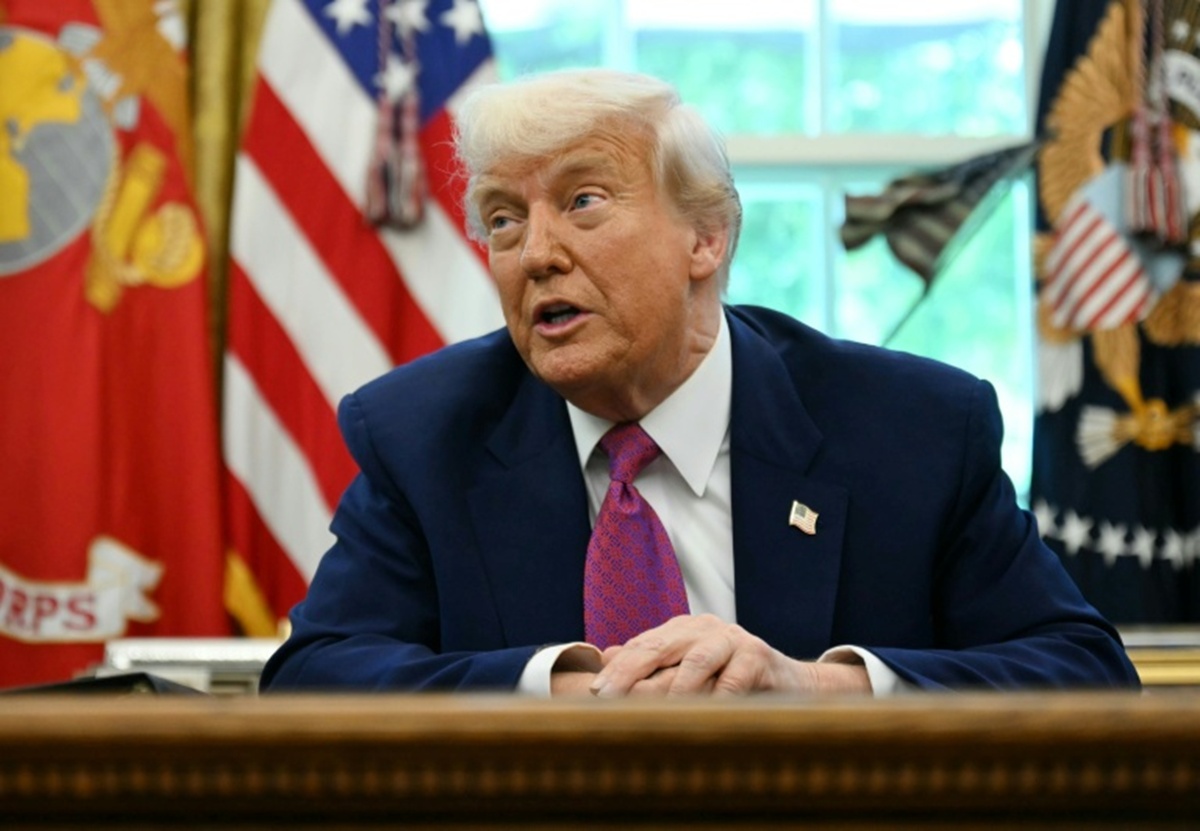
President Donald Trump may have experienced an undisclosed stroke in early 2025, according to claims made by Professor Bruce Davidson, a medical expert from Washington State University’s Elson S. Floyd College of Medicine. This assertion has intensified ongoing discussions about the 79-year-old president’s health and the transparency surrounding it. Public concern has been growing over Trump’s physical and cognitive condition, fueled by noticeable physical symptoms and behavioral changes.
During an appearance on The Court of History podcast, Davidson laid out his reasoning for believing Trump likely suffered a cerebrovascular event. While his claims remain unverified by official medical records, Davidson pointed to several observable indicators that align with stroke recovery. These include changes in Trump’s gait, irregular speech patterns noted earlier in 2025, and behavioral traits commonly seen in individuals who have experienced left-sided brain injuries, which typically affect the right side of the body.
As Davidson stated, “As a physician, my impression is that President Trump has had a stroke.” He based this conclusion on the observation of videos showing Trump’s movements, which he described as atypical for someone without a history of such an event. Additionally, Davidson highlighted that Trump is taking a daily dose of 325 mg of aspirin, a significantly higher amount than the 75–100 mg commonly recommended for primary cardiovascular prevention. Such dosages are typically prescribed after a stroke to prevent further occurrences, raising questions about Trump’s health history.
Despite the gravity of these claims, Davidson did not specify whether the alleged stroke was ischaemic or haemorrhagic, nor did he reference access to Trump’s private medical records. His interpretations primarily draw from publicly available footage and observations. Recent public sightings of Trump have fueled speculation, with some noting inconsistencies in his movements, such as a shuffled gait during golf outings and reliance on his non-dominant hand for stability when navigating stairs.
In September 2025, footage from a commemorative event raised further eyebrows as Trump’s facial expression appeared asymmetrical, a potential indicator of a stroke. While these observations remain speculative without clinical validation, they have added to both professional scrutiny and public concern regarding Trump’s health status.
In response to these concerns, Trump has publicly addressed his health, notably during a comprehensive interview with The Wall Street Journal in January 2026. He discussed his daily aspirin use and imaging tests conducted in October 2025. Trump clarified that he underwent a CT scan, rather than the previously mentioned MRI, with White House physician Navy Capt Sean Barbabella stating that the scan aimed to “definitively rule out any cardiovascular issues.”
Trump defended his decision to take a higher dose of aspirin, suggesting it was to ensure “nice, thin blood pouring through my heart.” However, this claim has drawn skepticism from medical professionals, who emphasize that clinical guidelines regarding aspirin use for older adults without specific cardiovascular diagnoses have evolved.
The White House has confirmed that Trump has chronic venous insufficiency, a common circulatory condition among older adults, but insists it is benign and unrelated to more serious neurological issues. In response to Davidson’s remarks, White House representatives have firmly rejected the stroke theory as unfounded and politically motivated. They stressed that Trump’s physician has consistently affirmed his “excellent overall health” and capability to fulfill his duties.
Despite Trump’s assertions of physical and cognitive vitality and his active schedule, the absence of complete medical records complicates efforts to substantiate or dismiss health-related theories. The call for greater transparency from medical professionals and political commentators continues to grow, highlighting constitutional concerns and the implications of ensuring a commander-in-chief’s fitness to serve.
Critics argue that without detailed medical documentation, public speculation will persist, potentially undermining public trust. Advocates for increased disclosure maintain that only full transparency can address lingering doubts about Trump’s physical and neurological fitness. As discussions about leadership fitness intensify, the question of whether Trump has concealed a stroke remains unresolved. Davidson and others continue to stand by their interpretations, while the White House categorically denies any such claims, framing the discourse as politically charged.









Belfast Gears Up for Vibrant St Patrick’s Day Parade on March 17

Cuba Faces Nationwide Blackout Amid Deepening Energy Crisis

Wirral Council to Restructure Leadership, Cutting Two Top Roles

Rethinking Resistance Training: Key Insights from US Experts

EU Membership on the Horizon: What It Means for Citizens

Ukrainian Drone Swarms Strike Moscow Region for Second Day

Henley Launches Innovative Initiative to Boost Local Economy

Court Ruling Allows Pandemic Tax Refund Claims Until 2026

Sean Penn’s Absence at 2026 Oscars Sparks Discussion

Coronation Street’s Shocking Murder Twist Reveals Family Secrets

Andrew Pierce Confirms Departure from ITV’s Good Morning Britain

Katie Price Faces New Health Concerns After Cancer Symptoms Resurface

Gyles Brandreth Shares Grandson’s Cancer Battle and Recovery

Sue Radford Reveals Weight Loss Journey, Shedding 12–13 kg

Kate Garraway Sells £2 Million Home Amid Financial Struggles

Jordan Brook Faces Health Crisis in Hospital as Sophie Kasaei Stays Away

EastEnders’ Nicola Mitchell Faces Unexpected Pregnancy Crisis

Reddit Study Reveals Distinctions Between Lurkers and Power Users
-
 World8 months ago
Coronation Street’s Shocking Murder Twist Reveals Family Secrets
-
 Entertainment8 months ago
Andrew Pierce Confirms Departure from ITV’s Good Morning Britain
-
 Health12 months ago
Katie Price Faces New Health Concerns After Cancer Symptoms Resurface
-
 Health7 months ago
Gyles Brandreth Shares Grandson’s Cancer Battle and Recovery
-
 Health7 months ago
Sue Radford Reveals Weight Loss Journey, Shedding 12–13 kg
-
 Entertainment1 year ago
Kate Garraway Sells £2 Million Home Amid Financial Struggles
-
 Entertainment5 months ago
Jordan Brook Faces Health Crisis in Hospital as Sophie Kasaei Stays Away
-
 World10 months ago
EastEnders’ Nicola Mitchell Faces Unexpected Pregnancy Crisis
-
 Science8 months ago
Reddit Study Reveals Distinctions Between Lurkers and Power Users
-

 World9 months ago
Mother Charged After Son, 9, Killed in Tragic Incident in Italy
-

 Entertainment12 months ago
Ann Ming Reflects on ITV’s ‘I Fought the Law’ Drama
-

 World9 months ago
Bailey Announces Heartbreaking Split from Rebecca After Reunion