
Top Stories
Community Charity Boosts Wildlife Amid Frosty Conditions

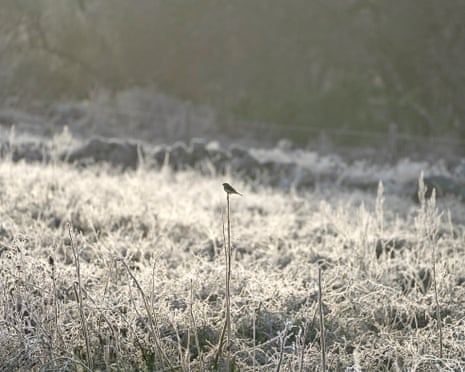
In a striking display of winter resilience, the community charity Speyside Fields for Wildlife continues to attract various species of finches to its wildlife-friendly fields, even under icy temperatures of -6°C. Located in Scotland, this initiative works closely with local farmers and crofters to cultivate “spare” lands with crops that support local wildlife. Recent visits to these fields reveal a thriving ecosystem, despite the harsh winter conditions.
Wildlife-Friendly Initiatives Yield Results
The charity strategically plants fields with a mix of annual flowers, including cornflower, corncockle, marigold, and poppy, all of which have historically served as vital sources of nectar and pollen. These are complemented by seed crops designed to sustain birds and other wildlife during the colder months. One hill farm field, glistening with hoarfrost and blanketed in icy white, has become a haven for various bird species.
As I walked through the field, the ground crackled underfoot, revealing brittle black oat and barley stalks. My attention was quickly drawn to a chaffinch pecking at a head of millet. Suddenly, flocks of finches descended from the surrounding birch trees, disappearing into the dense vegetation. Observers report that this field has hosted flocks of over 1,000 birds this winter, primarily chaffinches, but also including greenfinches, goldfinches, and some wintering bramblings.
Flocks of Birds Captivate Observers
The sight of so many birds, often regarded as ordinary, transforms their presence into a captivating spectacle. As if summoned by the cold air, a new flock of approximately 100 linnets appeared, showcasing the beauty of nature’s winter gatherings. The remarkable behaviour of these birds echoes the description by John Jamieson in his 1867 Dictionary of the Scottish Language, where he refers to them as “Havoc-burds,” highlighting large flocks of small birds that flock to fields post-harvest.
These birds flit from treetops to fields, breaking into smaller groups before reconvening on the highest branches of a rowan tree. The repetitive motion of their flight is mesmerizing, especially as the sun begins to set, casting a warm glow over the icy landscape. I remained in the field until my feet felt numb, fully immersed in the beauty of this winter gathering.
The efforts of Speyside Fields for Wildlife illustrate how community initiatives can foster biodiversity, even in challenging conditions. Such projects not only support wildlife but also engage the public in appreciating the natural world around them.











Belfast Gears Up for Vibrant St Patrick’s Day Parade on March 17

Cuba Faces Nationwide Blackout Amid Deepening Energy Crisis

Wirral Council to Restructure Leadership, Cutting Two Top Roles

Rethinking Resistance Training: Key Insights from US Experts

EU Membership on the Horizon: What It Means for Citizens

Ukrainian Drone Swarms Strike Moscow Region for Second Day

Henley Launches Innovative Initiative to Boost Local Economy

Court Ruling Allows Pandemic Tax Refund Claims Until 2026

Sean Penn’s Absence at 2026 Oscars Sparks Discussion

Coronation Street’s Shocking Murder Twist Reveals Family Secrets

Andrew Pierce Confirms Departure from ITV’s Good Morning Britain

Katie Price Faces New Health Concerns After Cancer Symptoms Resurface

Gyles Brandreth Shares Grandson’s Cancer Battle and Recovery

Sue Radford Reveals Weight Loss Journey, Shedding 12–13 kg

Kate Garraway Sells £2 Million Home Amid Financial Struggles

Jordan Brook Faces Health Crisis in Hospital as Sophie Kasaei Stays Away

EastEnders’ Nicola Mitchell Faces Unexpected Pregnancy Crisis

Reddit Study Reveals Distinctions Between Lurkers and Power Users
-
 World8 months ago
Coronation Street’s Shocking Murder Twist Reveals Family Secrets
-
 Entertainment8 months ago
Andrew Pierce Confirms Departure from ITV’s Good Morning Britain
-
 Health12 months ago
Katie Price Faces New Health Concerns After Cancer Symptoms Resurface
-
 Health7 months ago
Gyles Brandreth Shares Grandson’s Cancer Battle and Recovery
-
 Health7 months ago
Sue Radford Reveals Weight Loss Journey, Shedding 12–13 kg
-
 Entertainment1 year ago
Kate Garraway Sells £2 Million Home Amid Financial Struggles
-
 Entertainment5 months ago
Jordan Brook Faces Health Crisis in Hospital as Sophie Kasaei Stays Away
-
 World10 months ago
EastEnders’ Nicola Mitchell Faces Unexpected Pregnancy Crisis
-
 Science8 months ago
Reddit Study Reveals Distinctions Between Lurkers and Power Users
-

 World9 months ago
Mother Charged After Son, 9, Killed in Tragic Incident in Italy
-

 Entertainment12 months ago
Ann Ming Reflects on ITV’s ‘I Fought the Law’ Drama
-

 World9 months ago
Bailey Announces Heartbreaking Split from Rebecca After Reunion