
Sports
Ranking Red Bull’s Formula 1 Drivers: From Coulthard to Tsunoda

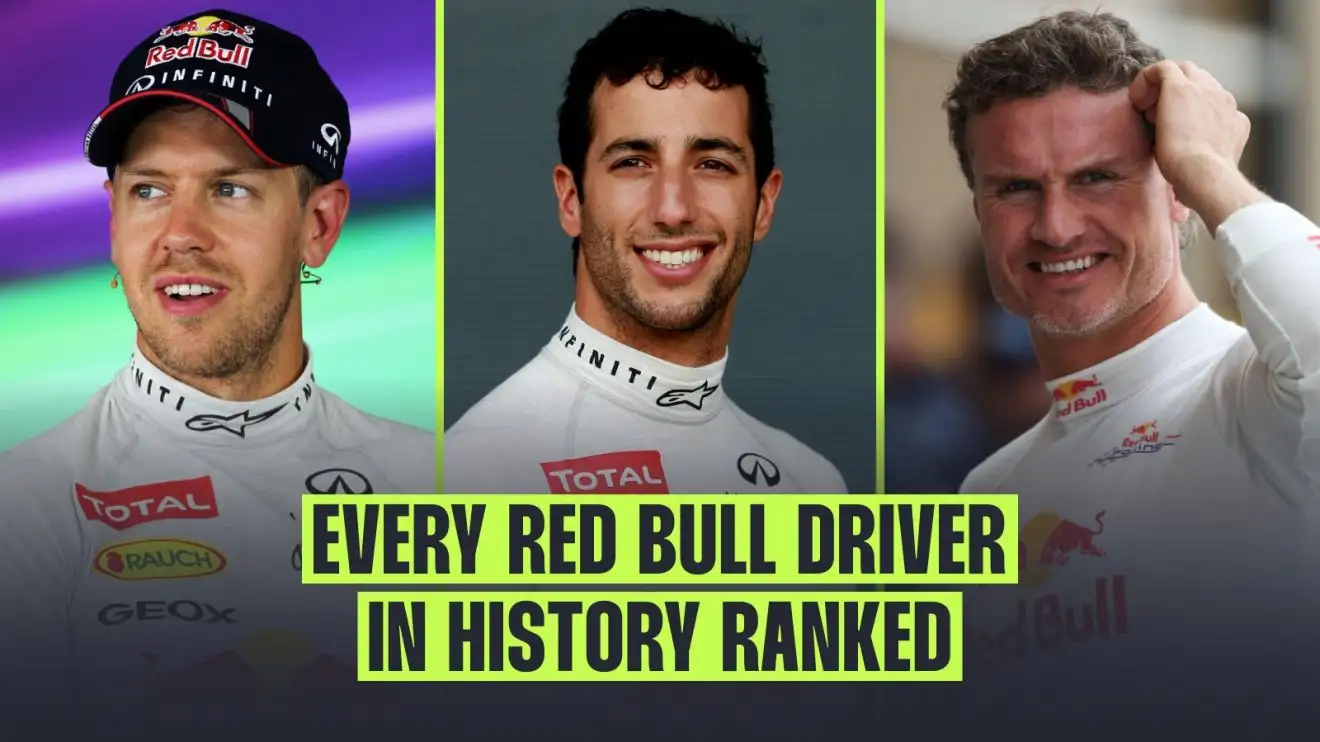
As Red Bull Racing gears up for its 22nd season in Formula 1 in 2026, the team reflects on its history, which includes an impressive lineup of drivers. With the anticipation surrounding Isack Hadjar stepping into the car, a comprehensive ranking of the 14 drivers who have raced for Red Bull gives insight into their contributions. This assessment considers only their time at Red Bull, focusing on their overall impact rather than just points and podium finishes.
Early Drivers and Their Impact
Among the notable early drivers is Robert Doornbos. He was Red Bull’s first Dutch driver, but his tenure left a limited mark. Transitioning from the Minardi team, Doornbos had a brief stint with Red Bull in the final three races of the 2006 season, failing to finish higher than 12th. His record stands at three races with zero wins, podiums, or points.
Another intriguing case is that of Liam Lawson. His limited opportunities made it difficult to gauge his potential. Lawson made just two appearances, finishing with a DNF and a P12. His experience as a reserve driver before stepping in highlighted the challenges of competing alongside a formidable teammate like Max Verstappen. With only two races under his belt, Lawson’s future remains uncertain, but his brief showcase suggests he has the talent to succeed.
The San Marino Grand Prix saw Vitantonio Liuzzi score his first Formula 1 point, but his stint at Red Bull was rocky. After being swapped into the car, Liuzzi managed a P8 but struggled with crashes in subsequent races, concluding his Red Bull career with just one point over four races.
In contrast, Christian Klien had a slightly longer tenure, participating in 28 races but only managing 11 points. His early successes were overshadowed by inconsistency, leading to his release after the 2006 season.
Drivers Who Shone and Struggled
Japanese driver Yuki Tsunoda faced the challenge of proving himself under pressure. Despite scoring 30 points over 22 races, Tsunoda’s potential was hampered by a lack of confidence from the team, ultimately leading to his departure from Red Bull.
The case of Pierre Gasly remains a focal point in discussions about Red Bull’s driver strategy. Initially promoted from Toro Rosso, Gasly’s performance fluctuated, and he was replaced mid-season after scoring 63 points in 12 races, including a highlight of P4 at Silverstone. His subsequent success at AlphaTauri and now Alpine indicates that he could have thrived longer at Red Bull with more support.
Similarly, Alexander Albon had a promising start, finishing in the top six during his first seven races. However, he ultimately struggled to keep pace with Verstappen’s performance, resulting in a mid-season change. Albon finished with 181 points and two podiums over 26 races, but has since found success with Williams.
Daniil Kvyat’s time at Red Bull is often viewed through a critical lens. He showcased potential early in his career, even achieving a podium finish, but was plagued by crashes and ultimately lost his seat to the rising star of Verstappen after a collision with Sebastian Vettel.
The Legacy of Key Drivers
David Coulthard, one of the first notable drivers for Red Bull, helped establish the team’s credibility. Although he did not secure victories, his role in attracting key personnel, like Adrian Newey, was invaluable. Coulthard’s record includes two podiums over 71 races, amassing 60 points.
Mark Webber’s journey with Red Bull spanned numerous seasons, during which he secured nine wins and 41 podiums, culminating in 978.5 points. His competitive spirit during the Vettel era proved significant, although he often played the role of the second driver in the team’s hierarchy.
One of the most intriguing narratives is that of Daniel Ricciardo. His departure from Red Bull for Renault sparked debate about what could have been. Ricciardo was a fan favorite and a contender during his time, achieving seven wins and 29 podiums across 100 races.
The legacy of Sebastian Vettel is perhaps the most pronounced, having transformed Red Bull into a championship powerhouse. With four World Championships and a staggering 38 wins, his dominance during the early 2010s solidified his status as one of the sport’s all-time greats.
Finally, Max Verstappen stands out as Red Bull’s most successful driver to date. With an impressive track record that includes 71 wins and 127 podiums, Verstappen’s career is still unfolding, and many analysts predict he will continue to break records. His ability to perform under pressure and his fierce competitive nature have made him a formidable presence on the grid.
As Red Bull Racing looks ahead to the 2026 season, the legacy of its drivers reflects a combination of talent, perseverance, and the sometimes harsh realities of Formula 1. The evolution of the team and its drivers will be closely watched as they aim to maintain their competitive edge in the coming years.








Belfast Gears Up for Vibrant St Patrick’s Day Parade on March 17

Cuba Faces Nationwide Blackout Amid Deepening Energy Crisis

Wirral Council to Restructure Leadership, Cutting Two Top Roles

Rethinking Resistance Training: Key Insights from US Experts

EU Membership on the Horizon: What It Means for Citizens

Ukrainian Drone Swarms Strike Moscow Region for Second Day

Henley Launches Innovative Initiative to Boost Local Economy

Court Ruling Allows Pandemic Tax Refund Claims Until 2026

Sean Penn’s Absence at 2026 Oscars Sparks Discussion

Coronation Street’s Shocking Murder Twist Reveals Family Secrets

Andrew Pierce Confirms Departure from ITV’s Good Morning Britain

Katie Price Faces New Health Concerns After Cancer Symptoms Resurface

Gyles Brandreth Shares Grandson’s Cancer Battle and Recovery

Sue Radford Reveals Weight Loss Journey, Shedding 12–13 kg

Kate Garraway Sells £2 Million Home Amid Financial Struggles

Jordan Brook Faces Health Crisis in Hospital as Sophie Kasaei Stays Away

EastEnders’ Nicola Mitchell Faces Unexpected Pregnancy Crisis

Reddit Study Reveals Distinctions Between Lurkers and Power Users
-
 World8 months ago
Coronation Street’s Shocking Murder Twist Reveals Family Secrets
-
 Entertainment8 months ago
Andrew Pierce Confirms Departure from ITV’s Good Morning Britain
-
 Health12 months ago
Katie Price Faces New Health Concerns After Cancer Symptoms Resurface
-
 Health7 months ago
Gyles Brandreth Shares Grandson’s Cancer Battle and Recovery
-
 Health7 months ago
Sue Radford Reveals Weight Loss Journey, Shedding 12–13 kg
-
 Entertainment1 year ago
Kate Garraway Sells £2 Million Home Amid Financial Struggles
-
 Entertainment5 months ago
Jordan Brook Faces Health Crisis in Hospital as Sophie Kasaei Stays Away
-
 World10 months ago
EastEnders’ Nicola Mitchell Faces Unexpected Pregnancy Crisis
-
 Science8 months ago
Reddit Study Reveals Distinctions Between Lurkers and Power Users
-

 World9 months ago
Mother Charged After Son, 9, Killed in Tragic Incident in Italy
-

 Entertainment12 months ago
Ann Ming Reflects on ITV’s ‘I Fought the Law’ Drama
-

 World9 months ago
Bailey Announces Heartbreaking Split from Rebecca After Reunion