
Sports
PlayStation 6 Launch Delayed: Gamers Embrace a New Normal

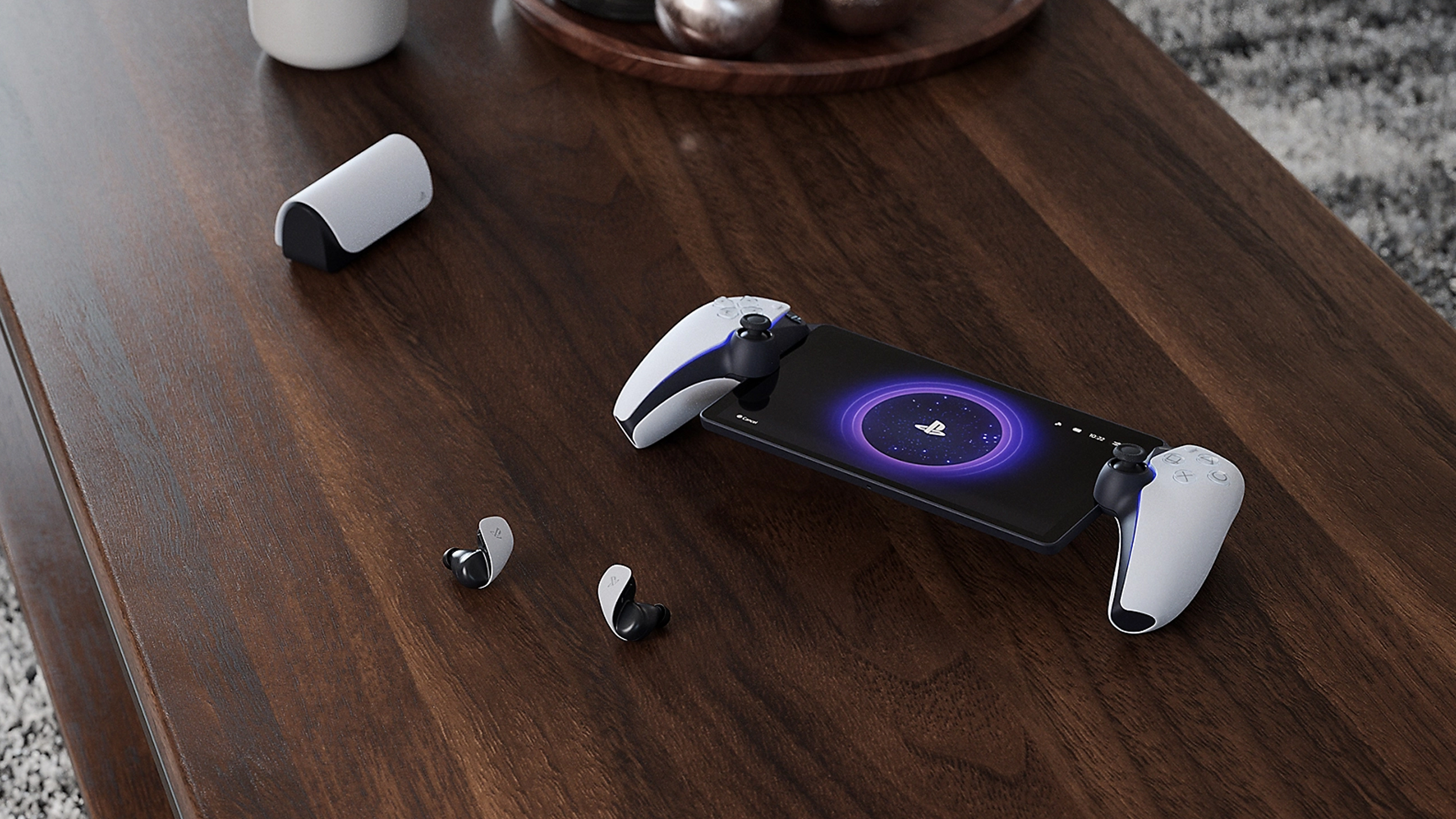
Gamers anticipating the launch of the **PlayStation 6** may need to wait longer than initially expected, but the response from the gaming community has been surprisingly calm. Industry insiders have indicated that the release of the next generation of consoles could be postponed beyond the previously speculated launch window of **March 2027**. This delay is primarily attributed to economic challenges and supply chain disruptions, particularly the global shortage of computer memory linked to the increasing demand driven by artificial intelligence advancements.
As hardware costs rise, many gamers have shifted their expectations. Unlike previous generations, where delays often led to frustration, current sentiments reflect a sense of patience and understanding. Players recognize that the **PS5** and **Xbox Series** consoles still have significant untapped potential, making a delay less concerning than it might have been in the past. The traditional console lifecycle appears to be evolving, with many in the industry acknowledging that a slower transition to new hardware might ultimately benefit both developers and players.
The surge in AI development has generated unprecedented demand for memory supplies, leading to a sharp increase in prices. Companies that manufacture laptops and smartphones have already adjusted their pricing strategies, and console makers like **Sony** are not immune to these pressures. If Sony aims to maintain its projected release timeline, it faces tough decisions: either pass increased costs onto consumers or absorb the financial burden internally. This scenario has led to a more appealing option: delaying the launch until memory supply stabilizes, thus avoiding a price point that could alienate potential buyers.
Concerns about escalating prices are evident. Current-generation consoles have already defied historical pricing trends, with **PlayStation 5** prices rising in the UK and other regions since their initial release. **Microsoft** has similarly increased prices for its **Xbox** hardware on multiple occasions. Some analysts, including YouTuber **Moore’s Law is Dead**, have projected that next-generation consoles could debut at prices as high as **$800.00** (£640.00) or even approach **$1,000.00** (£800.00). Such price points risk positioning consoles as luxury items, especially as consumers grapple with increasing costs in other areas.
Compounding the situation, subscription services have also seen price hikes. Reports indicate that **Xbox Game Pass** may reach **$30.00** (£24.00) per month, while cloud gaming services are testing hourly usage fees. In this financial landscape, consumers are understandably reluctant to commit to purchasing new hardware. Moreover, the anticipated pricing for AAA titles, such as **GTA 6**, could soar to **$100.00** (£79.00), further complicating the financial decisions for gamers.
Despite these challenges, many gamers are not panicking, largely due to the belief that the current generation has yet to reach its potential. Developers are only beginning to release genuinely current-gen exclusives. When optimization is prioritized, the results on the **PS5** and **Xbox Series** consoles can be striking. Players often cite studios that focus on optimization as evidence that improved software, rather than new hardware, is what the industry needs at this moment.
Additionally, frustration with rushed game development, microtransactions, and poorly optimized ports has prompted many fans to advocate for an extended current generation. This extension could provide studios the necessary time to refine their craft, stabilize their development teams, and prioritize quality over hastily rolling out new hardware.
**Destin**, a gaming industry analyst, has expressed support for the potential delays in next-generation consoles. He argues that the rising costs of RAM and component shortages driven by AI developments make an early launch risky for both companies and consumers. Destin emphasized that current consoles are already quite powerful and capable of delivering impressive visuals and experiences when developers focus on optimization.
He suggested that delaying the introduction of new hardware could prevent consoles from becoming prohibitively expensive for many gamers, while also avoiding a shift toward cloud-based models where users pay per hour instead of owning physical devices. In Destin’s perspective, extending the life of the current generation would encourage studios to better utilize existing technology rather than rushing to market with costly new systems.
In this context, a delay in the **PS6** launch feels less like a setback and more like a strategic decision. With costs rising and players increasingly discerning about their expenditures, releasing an expensive new console prematurely could backfire. For now, the consensus within the gaming community is clear: make better use of the existing technology. If delaying the next generation helps achieve this goal, many gamers are more than willing to wait.



Belfast Gears Up for Vibrant St Patrick’s Day Parade on March 17

Cuba Faces Nationwide Blackout Amid Deepening Energy Crisis

Wirral Council to Restructure Leadership, Cutting Two Top Roles

Rethinking Resistance Training: Key Insights from US Experts

EU Membership on the Horizon: What It Means for Citizens

Ukrainian Drone Swarms Strike Moscow Region for Second Day

Henley Launches Innovative Initiative to Boost Local Economy

Court Ruling Allows Pandemic Tax Refund Claims Until 2026

Sean Penn’s Absence at 2026 Oscars Sparks Discussion

Coronation Street’s Shocking Murder Twist Reveals Family Secrets

Andrew Pierce Confirms Departure from ITV’s Good Morning Britain

Katie Price Faces New Health Concerns After Cancer Symptoms Resurface

Gyles Brandreth Shares Grandson’s Cancer Battle and Recovery

Sue Radford Reveals Weight Loss Journey, Shedding 12–13 kg

Kate Garraway Sells £2 Million Home Amid Financial Struggles

Jordan Brook Faces Health Crisis in Hospital as Sophie Kasaei Stays Away

EastEnders’ Nicola Mitchell Faces Unexpected Pregnancy Crisis

Reddit Study Reveals Distinctions Between Lurkers and Power Users
-
 World8 months ago
Coronation Street’s Shocking Murder Twist Reveals Family Secrets
-
 Entertainment8 months ago
Andrew Pierce Confirms Departure from ITV’s Good Morning Britain
-
 Health11 months ago
Katie Price Faces New Health Concerns After Cancer Symptoms Resurface
-
 Health6 months ago
Gyles Brandreth Shares Grandson’s Cancer Battle and Recovery
-
 Health6 months ago
Sue Radford Reveals Weight Loss Journey, Shedding 12–13 kg
-
 Entertainment1 year ago
Kate Garraway Sells £2 Million Home Amid Financial Struggles
-
 Entertainment5 months ago
Jordan Brook Faces Health Crisis in Hospital as Sophie Kasaei Stays Away
-
 World9 months ago
EastEnders’ Nicola Mitchell Faces Unexpected Pregnancy Crisis
-
 Science8 months ago
Reddit Study Reveals Distinctions Between Lurkers and Power Users
-

 World9 months ago
Mother Charged After Son, 9, Killed in Tragic Incident in Italy
-

 Entertainment11 months ago
Ann Ming Reflects on ITV’s ‘I Fought the Law’ Drama
-

 World9 months ago
Bailey Announces Heartbreaking Split from Rebecca After Reunion