
Sports
Politician Condemns Nationalism in Podgorica’s Religious Celebration

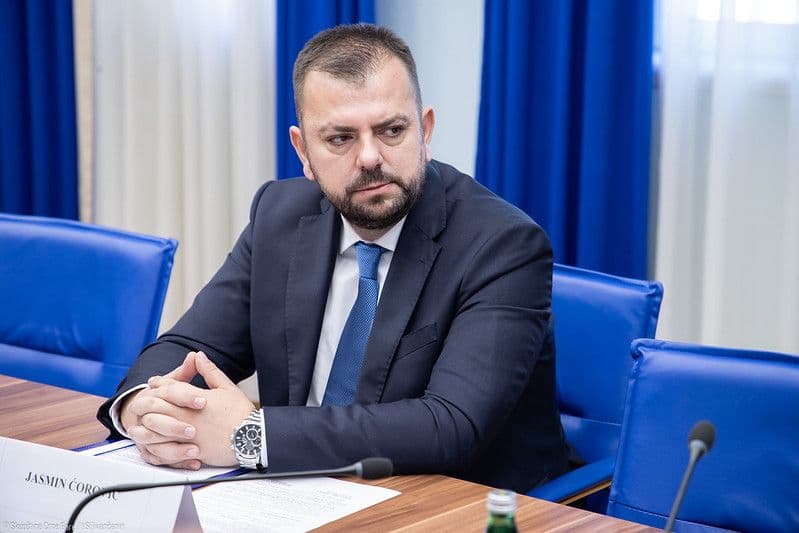
In a recent event marking the Orthodox holiday of “Bogojavljanje” on January 19, 2024, in Podgorica, Montenegro, nationalist sentiments were brought to the forefront as traditional songs associated with Chetnik figures were sung. This sparked sharp criticism from Jasmin Ćorović, a prominent member of the Bosniak Party and a legislator, who condemned the display of these “fascistic songs” during a religious celebration.
During the event, participants sang songs that glorified historical figures such as Pavle Đurišić and Dragoljub Mihailović, both of whom were characterized by Ćorović as war criminals and collaborators with occupiers during World War II. “These individuals symbolize a destructive ideology that ultimately led to catastrophic consequences, including murders and destruction,” he stated emphatically.
Ćorović highlighted the particular suffering inflicted upon the Bosniak and Muslim populations during the Second World War and in the aftermath of the breakup of the Socialist Federal Republic of Yugoslavia (SFRJ). He expressed concern that the glorification of Chetnik leaders not only harms historical memory but also perpetuates divisions within Montenegrin society. “The repercussions of the Chetnik movement have affected various nations, including many Serbs,” he noted.
In his statement, Ćorović lamented the presence of young and older individuals participating in these celebrations, singing songs that honor figures associated with violence and ethnic cleansing. He questioned how the essence of Orthodox Christianity, which promotes universal ideals of love and peace, aligns with the ideologies represented by these figures.
“How can the significant biblical message of ‘love thy neighbor’ be linked to the actions of Pavle Đurišić?” he asked, emphasizing the dissonance between the celebration of a religious holiday and the endorsement of a violent past. He criticized the normalization of such displays, stating, “Instead of the voice of God, we heard fascistic songs and evil messages.”
Ćorović condemned the ongoing nature of this phenomenon, stating, “This is not the first time; it has become a practice.” He urged individuals, including religious leaders and youth who tolerate such songs, to reflect on whether true celebration can emerge from love rather than hatred.
“How does this community find joy in celebration through animosity? What kind of celebration is it? Right or wrong? Who distorts Orthodox Christianity and leads this nation astray?” he questioned, expressing sorrow over the reactions witnessed during the holiday.
In conclusion, while extending his best wishes to sincere believers for the Orthodox holiday of “Bogojavljanje,” Ćorović expressed disappointment at the current state of affairs. He called on those who may not understand the true essence of Orthodox Christianity to seek guidance beyond the figures of Pavle and Draža, ultimately seeking enlightenment from a higher power.












Belfast Gears Up for Vibrant St Patrick’s Day Parade on March 17

Cuba Faces Nationwide Blackout Amid Deepening Energy Crisis

Wirral Council to Restructure Leadership, Cutting Two Top Roles

Rethinking Resistance Training: Key Insights from US Experts

EU Membership on the Horizon: What It Means for Citizens

Ukrainian Drone Swarms Strike Moscow Region for Second Day

Henley Launches Innovative Initiative to Boost Local Economy

Court Ruling Allows Pandemic Tax Refund Claims Until 2026

Sean Penn’s Absence at 2026 Oscars Sparks Discussion

Coronation Street’s Shocking Murder Twist Reveals Family Secrets

Andrew Pierce Confirms Departure from ITV’s Good Morning Britain

Katie Price Faces New Health Concerns After Cancer Symptoms Resurface

Gyles Brandreth Shares Grandson’s Cancer Battle and Recovery

Sue Radford Reveals Weight Loss Journey, Shedding 12–13 kg

Kate Garraway Sells £2 Million Home Amid Financial Struggles

Jordan Brook Faces Health Crisis in Hospital as Sophie Kasaei Stays Away

EastEnders’ Nicola Mitchell Faces Unexpected Pregnancy Crisis

Reddit Study Reveals Distinctions Between Lurkers and Power Users
-
 World8 months ago
Coronation Street’s Shocking Murder Twist Reveals Family Secrets
-
 Entertainment7 months ago
Andrew Pierce Confirms Departure from ITV’s Good Morning Britain
-
 Health11 months ago
Katie Price Faces New Health Concerns After Cancer Symptoms Resurface
-
 Health6 months ago
Gyles Brandreth Shares Grandson’s Cancer Battle and Recovery
-
 Health6 months ago
Sue Radford Reveals Weight Loss Journey, Shedding 12–13 kg
-
 Entertainment12 months ago
Kate Garraway Sells £2 Million Home Amid Financial Struggles
-
 Entertainment4 months ago
Jordan Brook Faces Health Crisis in Hospital as Sophie Kasaei Stays Away
-
 World9 months ago
EastEnders’ Nicola Mitchell Faces Unexpected Pregnancy Crisis
-
 Science7 months ago
Reddit Study Reveals Distinctions Between Lurkers and Power Users
-

 World8 months ago
Mother Charged After Son, 9, Killed in Tragic Incident in Italy
-

 Entertainment11 months ago
Ann Ming Reflects on ITV’s ‘I Fought the Law’ Drama
-

 World8 months ago
Bailey Announces Heartbreaking Split from Rebecca After Reunion