
Sports
Political Threats Ignite Concerns Over Hate Speech in Montenegro

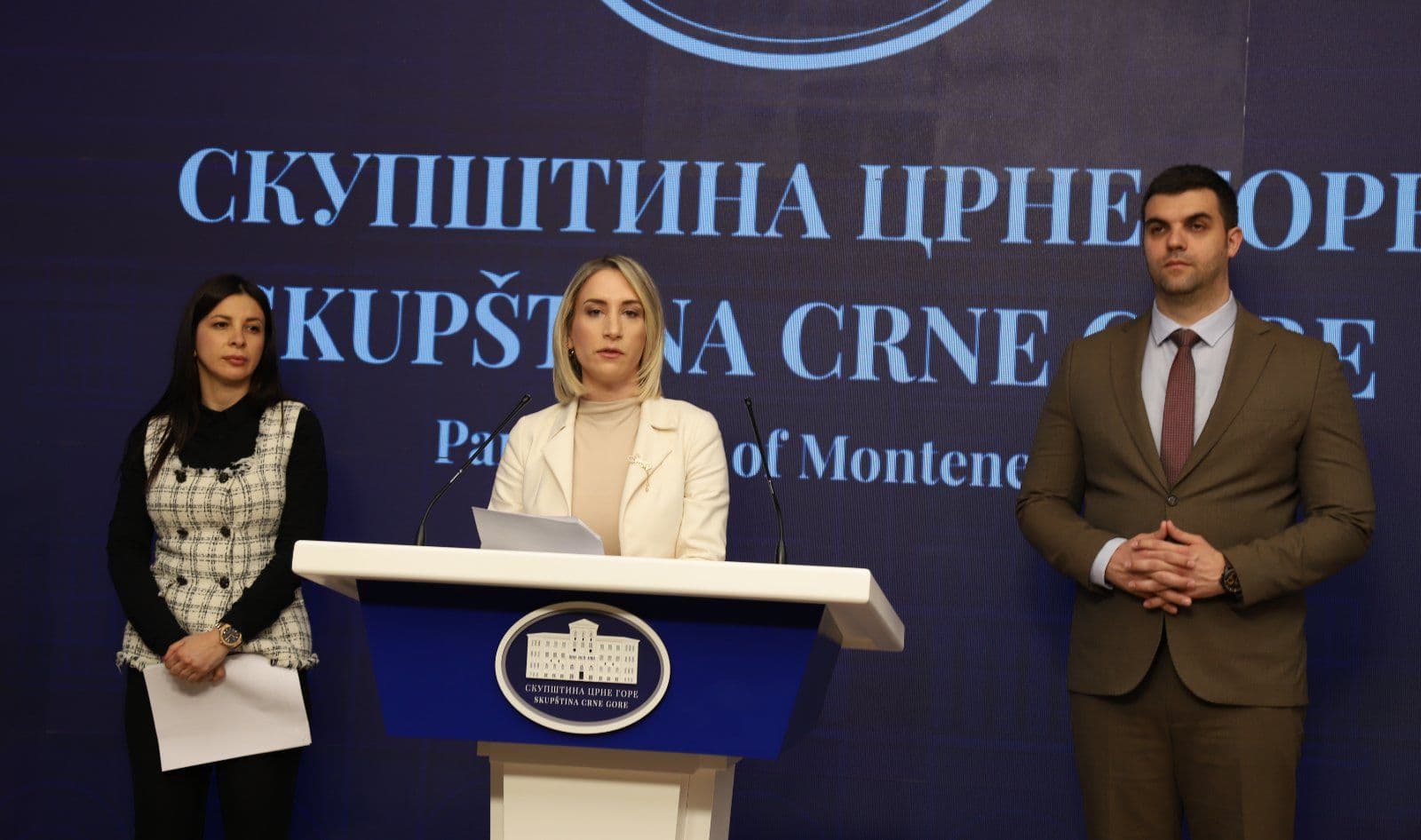
The recent threats directed at Montenegrin parliamentarian Slađana Kaluđerović have sparked serious concerns regarding hate speech and political intimidation in the country. The Human Rights Protector of Montenegro issued a strong warning, stating that using symbols associated with ethnic cleansing and collective suffering to intimidate individuals due to their political beliefs constitutes an unacceptable form of hate speech, infringing on freedom of expression.
In a public statement, the Ombudsman highlighted that the symbolism of “tractors” is deeply rooted in the collective memory of Montenegro as a sign of persecution and forced displacement. Such imagery, when invoked in political discourse, amounts to an abuse of free speech and represents an ethnically motivated form of hate speech.
“Threats of intimidation, expulsion, or evocation of collective trauma are unacceptable manifestations of political pressure that undermine social cohesion and fundamental human rights,” the Ombudsman stated. The threats against Kaluđerović are not isolated incidents but part of a broader pattern of gender-based political violence. Women involved in public and political life are disproportionately subjected to insults, threats, and attempts at intimidation.
The Ombudsman also pointed out that similar threats were recently made against Ivana Vuković, another member of the ruling Democratic Party of Socialists (DPS), indicating a troubling continuity in the use of unacceptable rhetoric in public discourse.
Kaluđerović has filed a criminal complaint against an individual identified as D. M., through her attorney Dalibor Kavaric, for allegedly inciting hatred and violence against individuals based on their language, nationality, and religious affiliation.
The complaint notes that after Kaluđerović’s appearance on the program “Reflektor” on February 3, 2024, D. M. posted derogatory messages on social media, insulting her personally and labeling those advocating dialogue on the status of the Serbian language as “the occupying side.” He further stated, “If you do not calm down, tractors are the only solution.”
Such statements represent a direct call for persecution and intimidation, evoking collective traumas associated with war crimes, ethnic cleansing, and mass displacement.
The complainants urge the authorities to interrogate the suspect, review his social media accounts, enlist IT experts, and take legal action to prevent further spread of hate and intimidation in the public sphere. The situation underscores a pressing need for vigilance against hate speech and political violence in Montenegro, particularly as it pertains to women in politics.
The Ombudsman’s intervention serves as a crucial reminder of the importance of safeguarding freedom of expression while simultaneously combating hate speech and political intimidation.











Belfast Gears Up for Vibrant St Patrick’s Day Parade on March 17

Cuba Faces Nationwide Blackout Amid Deepening Energy Crisis

Wirral Council to Restructure Leadership, Cutting Two Top Roles

Rethinking Resistance Training: Key Insights from US Experts

EU Membership on the Horizon: What It Means for Citizens

Ukrainian Drone Swarms Strike Moscow Region for Second Day

Henley Launches Innovative Initiative to Boost Local Economy

Court Ruling Allows Pandemic Tax Refund Claims Until 2026

Sean Penn’s Absence at 2026 Oscars Sparks Discussion

Coronation Street’s Shocking Murder Twist Reveals Family Secrets

Andrew Pierce Confirms Departure from ITV’s Good Morning Britain

Katie Price Faces New Health Concerns After Cancer Symptoms Resurface

Gyles Brandreth Shares Grandson’s Cancer Battle and Recovery

Sue Radford Reveals Weight Loss Journey, Shedding 12–13 kg

Kate Garraway Sells £2 Million Home Amid Financial Struggles

Jordan Brook Faces Health Crisis in Hospital as Sophie Kasaei Stays Away

EastEnders’ Nicola Mitchell Faces Unexpected Pregnancy Crisis

Reddit Study Reveals Distinctions Between Lurkers and Power Users
-
 World8 months ago
Coronation Street’s Shocking Murder Twist Reveals Family Secrets
-
 Entertainment8 months ago
Andrew Pierce Confirms Departure from ITV’s Good Morning Britain
-
 Health11 months ago
Katie Price Faces New Health Concerns After Cancer Symptoms Resurface
-
 Health6 months ago
Gyles Brandreth Shares Grandson’s Cancer Battle and Recovery
-
 Health6 months ago
Sue Radford Reveals Weight Loss Journey, Shedding 12–13 kg
-
 Entertainment1 year ago
Kate Garraway Sells £2 Million Home Amid Financial Struggles
-
 Entertainment5 months ago
Jordan Brook Faces Health Crisis in Hospital as Sophie Kasaei Stays Away
-
 World9 months ago
EastEnders’ Nicola Mitchell Faces Unexpected Pregnancy Crisis
-
 Science8 months ago
Reddit Study Reveals Distinctions Between Lurkers and Power Users
-

 World9 months ago
Mother Charged After Son, 9, Killed in Tragic Incident in Italy
-

 Entertainment11 months ago
Ann Ming Reflects on ITV’s ‘I Fought the Law’ Drama
-

 World9 months ago
Bailey Announces Heartbreaking Split from Rebecca After Reunion