
Sports
Political Tensions Rise as Pejović Defends Equal Law Enforcement

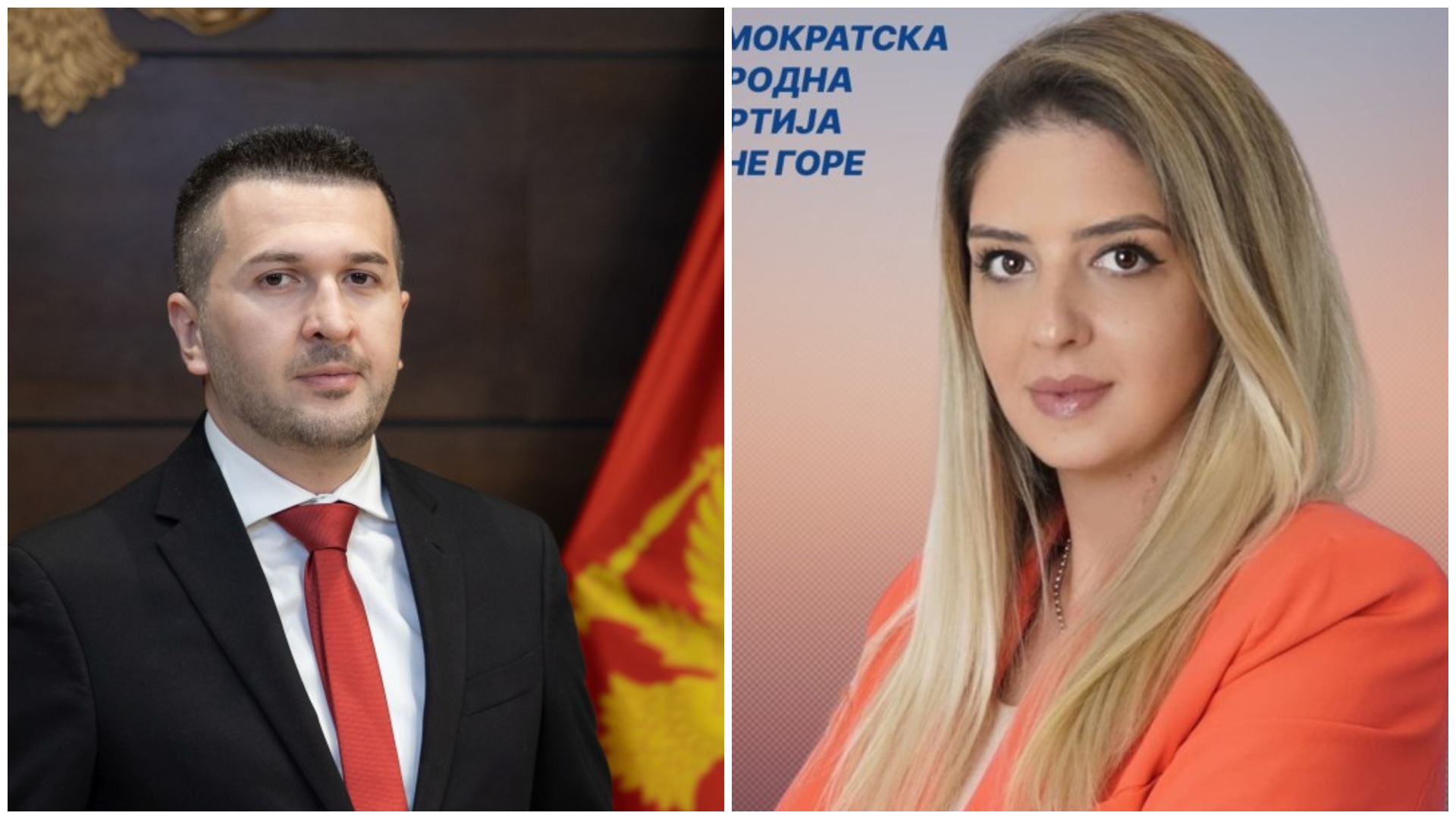
Political tensions are escalating in Montenegro following remarks made by parliament vice president Boris Pejović regarding the enforcement of laws. Pejović stated that laws should apply equally to all entities, referencing the recent decision by local authorities in Podgorica to remove a floodlight placed on the Mareza River drainage channel. He emphasized that in a society aspiring to join the European Union, public interest must take precedence over individual interests.
In his statement, Pejović said, “The removal of the floodlight clearly illustrates that there can be no privileges in Montenegro. Laws must apply equally to everyone—both to floodlights and to collectors.” He added that consistent application of regulations is essential for a well-functioning system, asserting that it is vital for society to accept that the nation cannot compromise on legal standards.
Pejović’s comments prompted a sharp response from Jovana Todorović, spokesperson for the Democratic People’s Party (DNP). She criticized him for his prior attempts to minimize the situation, suggesting that he is at his most prudent when he refrains from making public statements. “Whenever he speaks, he finds himself ensnared in his own contradictions,” Todorović remarked.
She directed attention to the implications of Pejović’s statements, questioning the legality of a municipality operating a collector in the territory of another municipality with police assistance. “If laws apply to all, we must inquire under which law a municipality can construct a collector beyond its boundaries, especially when two-thirds of the citizens oppose it,” Todorović stated.
Moreover, she raised concerns regarding the roles of Podgorica’s mayor Mujović and police director Lazar Šćepanović, who allegedly offered local residents the chance to become subcontractors for projects that contradict the will of the people as expressed through a referendum. This led to further accusations of impropriety, suggesting that the involvement of the Turkish Kuzu Group might merely serve as a facade.
As the political discourse intensifies, Todorović called for the judiciary to investigate these claims. She also proposed an intriguing hypothetical scenario: questioning whether Pejović would support a similar project in his hometown of Bijelo Polje. “Perhaps then the laws would only apply to certain individuals,” she suggested, pointing to the ongoing protests from residents in various neighborhoods of Podgorica as indicators of public dissent against perceived legal injustices.
The unfolding situation highlights the complexities of law enforcement and governance in Montenegro. As the debate continues, Pejović and his critics appear poised to further engage in discussions that touch on the foundations of equality before the law and the broader implications for societal governance in the country.










Belfast Gears Up for Vibrant St Patrick’s Day Parade on March 17

Cuba Faces Nationwide Blackout Amid Deepening Energy Crisis

Wirral Council to Restructure Leadership, Cutting Two Top Roles

Rethinking Resistance Training: Key Insights from US Experts

EU Membership on the Horizon: What It Means for Citizens

Ukrainian Drone Swarms Strike Moscow Region for Second Day

Henley Launches Innovative Initiative to Boost Local Economy

Court Ruling Allows Pandemic Tax Refund Claims Until 2026

Sean Penn’s Absence at 2026 Oscars Sparks Discussion

Coronation Street’s Shocking Murder Twist Reveals Family Secrets

Andrew Pierce Confirms Departure from ITV’s Good Morning Britain

Katie Price Faces New Health Concerns After Cancer Symptoms Resurface

Sue Radford Reveals Weight Loss Journey, Shedding 12–13 kg

Kate Garraway Sells £2 Million Home Amid Financial Struggles

Jordan Brook Faces Health Crisis in Hospital as Sophie Kasaei Stays Away

EastEnders’ Nicola Mitchell Faces Unexpected Pregnancy Crisis

Bailey Announces Heartbreaking Split from Rebecca After Reunion

Ann Ming Reflects on ITV’s ‘I Fought the Law’ Drama
-
 World4 months ago
Coronation Street’s Shocking Murder Twist Reveals Family Secrets
-
 Entertainment4 months ago
Andrew Pierce Confirms Departure from ITV’s Good Morning Britain
-
 Health7 months ago
Katie Price Faces New Health Concerns After Cancer Symptoms Resurface
-
 Health3 months ago
Sue Radford Reveals Weight Loss Journey, Shedding 12–13 kg
-
 Entertainment8 months ago
Kate Garraway Sells £2 Million Home Amid Financial Struggles
-
 Entertainment4 weeks ago
Jordan Brook Faces Health Crisis in Hospital as Sophie Kasaei Stays Away
-
 World5 months ago
EastEnders’ Nicola Mitchell Faces Unexpected Pregnancy Crisis
-
 World5 months ago
Bailey Announces Heartbreaking Split from Rebecca After Reunion
-
 Entertainment7 months ago
Ann Ming Reflects on ITV’s ‘I Fought the Law’ Drama
-

 Entertainment2 months ago
Selena Gomez’s Name Linked to Epstein: Examining the Claims
-

 Health7 months ago
TOWIE Stars Sophie Kasaei and Jordan Brook Pursue Fertility Treatment
-

 Health8 months ago
Fiona Phillips’ Husband Shares Heartbreaking Update on Her Health