
Sports
Montenegro’s Knežević Critiques Government Over Environmental Issues

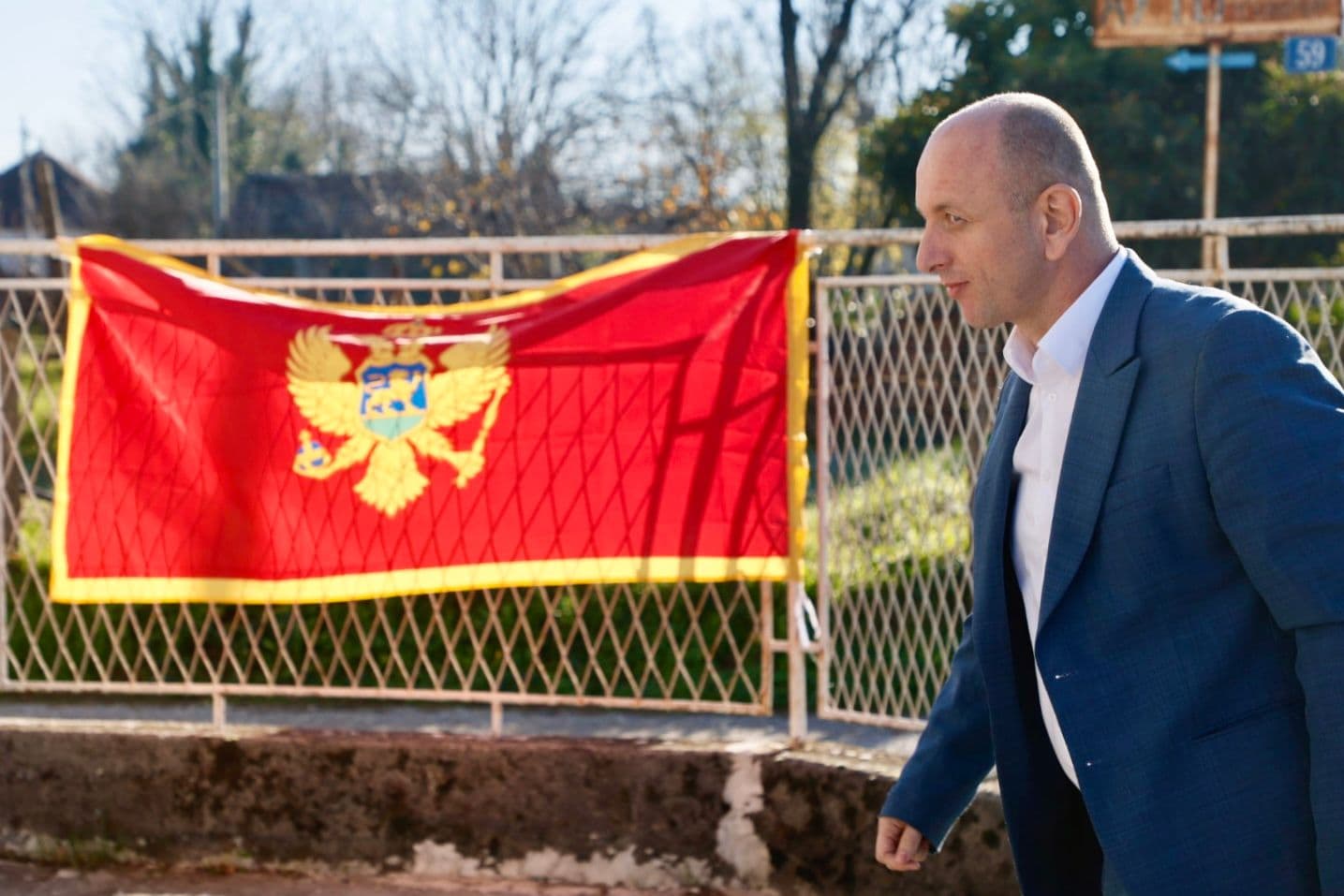
The leader of the Democratic People’s Party (DNP), Milan Knežević, has voiced strong criticism against the Montenegrin government, arguing that their demands on local municipalities are significantly less than what Croatia requests from Montenegro. Knežević’s comments come amid ongoing discussions about environmental infrastructure and local governance, particularly regarding the installation of a wastewater treatment system in the Zeta municipality.
In an interview with *Novosti*, Knežević expressed disbelief at the notion that Montenegro’s path to the European Union is obstructed by inadequate sewage systems. He remarked, “If someone had told me twenty years ago that Montenegro’s European journey would hinge on waste management, I would have suggested using less toilet paper.” He criticized the government’s expectation that Zeta should volunteer to install a sewage collector, ignoring the overwhelming opposition from local residents. Approximately 98.5 percent of Zeta’s citizens voted against the construction of this facility in a recent referendum.
Knežević emphasized that residents do not oppose the construction of the collector per se but believe it should be on the territory of Podgorica, not Zeta. He added, “No one in Zeta wants to be the septic tank for Podgorica,” highlighting their frustration with being told that this project is for their benefit. He also challenged the government’s claims that the collector’s installation is crucial for closing Chapter 27 (environment) in negotiations with the European Union, stating, “If they lie about this before entering the EU, one can only imagine the extent of deceit once we are in.”
He further commented on the broader implications of governance in Montenegro, attributing the slow pace of EU integration to organized crime and corruption. “If the judiciary worked more efficiently, Chapters 23 and 24 would likely have been closed by now,” Knežević stated, asserting that his demands for official recognition of the Serbian language and a national flag should not be viewed as an impediment to progress. He likened his requests to those of France wanting to use the French language or its tricolor flag, emphasizing the importance of basic civil rights.
As Montenegro approaches its first government session of 2024, Knežević and his allies are set to introduce initiatives aimed at addressing identity issues. This includes proposals to amend the constitution to recognize the Serbian language as official, modify citizenship laws, and declare the tricolor flag as the national symbol. He insists that these requests are modest compared to what Croatia has demanded from Montenegro, stating, “I cannot be worse than Gordon Grlić Radman to be rejected by a government we have supported.”
Knežević expressed concern over the political landscape, noting that while the current government may maintain a stable majority without them, true decision-making power for the Serbian community is essential. He remarked, “If we exit the parliamentary majority, the dynamics will inevitably shift, leading to the potential for a government reconstruction.”
Additionally, he commented on the relationship between Montenegro and Kosovo, reaffirming Kosovo’s status as a steadfast ally. He noted that in the recent elections, the coalition “For the Future of Montenegro” received 15 percent of the vote, indicating a significant portion of the Serbian population supports parties advocating for an independent Kosovo and sanctions against Russia.
Knežević also addressed recent remarks from President Jakov Milatović regarding Greenland, stating that he hopes the Montenegrin government will refrain from making any military commitments to Denmark. He humorously suggested that should tensions arise, Montenegro would call upon Serbia for support.
In closing, Knežević noted the importance of unity within the Serbian community, emphasizing the need for genuine representation and decision-making power. He criticized those who align with parties focused on perpetuating the policies of past regimes, asserting that such actions do not serve the broader interests of the Serbian population in Montenegro.











Belfast Gears Up for Vibrant St Patrick’s Day Parade on March 17

Cuba Faces Nationwide Blackout Amid Deepening Energy Crisis

Wirral Council to Restructure Leadership, Cutting Two Top Roles

Rethinking Resistance Training: Key Insights from US Experts

EU Membership on the Horizon: What It Means for Citizens

Ukrainian Drone Swarms Strike Moscow Region for Second Day

Henley Launches Innovative Initiative to Boost Local Economy

Court Ruling Allows Pandemic Tax Refund Claims Until 2026

Sean Penn’s Absence at 2026 Oscars Sparks Discussion

Coronation Street’s Shocking Murder Twist Reveals Family Secrets

Andrew Pierce Confirms Departure from ITV’s Good Morning Britain

Katie Price Faces New Health Concerns After Cancer Symptoms Resurface

Sue Radford Reveals Weight Loss Journey, Shedding 12–13 kg

Kate Garraway Sells £2 Million Home Amid Financial Struggles

Jordan Brook Faces Health Crisis in Hospital as Sophie Kasaei Stays Away

EastEnders’ Nicola Mitchell Faces Unexpected Pregnancy Crisis

Bailey Announces Heartbreaking Split from Rebecca After Reunion

Ann Ming Reflects on ITV’s ‘I Fought the Law’ Drama
-
 World4 months ago
Coronation Street’s Shocking Murder Twist Reveals Family Secrets
-
 Entertainment4 months ago
Andrew Pierce Confirms Departure from ITV’s Good Morning Britain
-
 Health7 months ago
Katie Price Faces New Health Concerns After Cancer Symptoms Resurface
-
 Health2 months ago
Sue Radford Reveals Weight Loss Journey, Shedding 12–13 kg
-
 Entertainment8 months ago
Kate Garraway Sells £2 Million Home Amid Financial Struggles
-
 Entertainment3 weeks ago
Jordan Brook Faces Health Crisis in Hospital as Sophie Kasaei Stays Away
-
 World5 months ago
EastEnders’ Nicola Mitchell Faces Unexpected Pregnancy Crisis
-
 World5 months ago
Bailey Announces Heartbreaking Split from Rebecca After Reunion
-
 Entertainment7 months ago
Ann Ming Reflects on ITV’s ‘I Fought the Law’ Drama
-

 Entertainment2 months ago
Selena Gomez’s Name Linked to Epstein: Examining the Claims
-

 Health7 months ago
TOWIE Stars Sophie Kasaei and Jordan Brook Pursue Fertility Treatment
-

 Health7 months ago
Fiona Phillips’ Husband Shares Heartbreaking Update on Her Health