
Sports
Montenegro Faces Severe Threats to Press Freedom in 2025

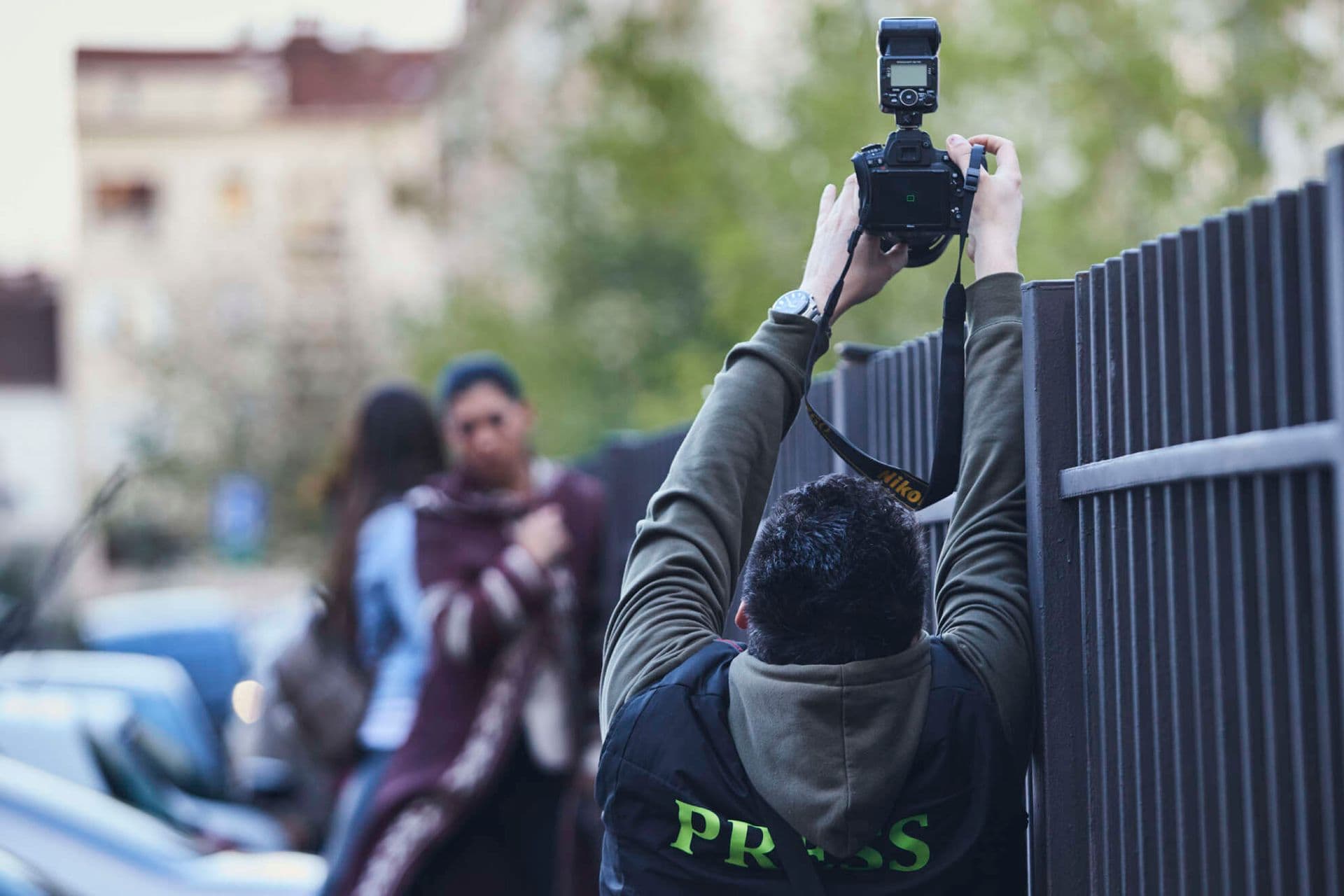
Press freedom in Montenegro has entered a critical phase, marked by a significant surge in threats and violence against journalists. According to the Media Freedom Rapid Response (MFRR), incidents of media freedom violations in Montenegro tripled in 2025 compared to the previous year, highlighting a disturbing trend for journalists reporting in the region.
The MFRR’s annual report for 2025 reveals that there were 20 documented cases of media freedom violations affecting 32 journalists and media entities. In contrast, the previous year recorded only six such cases. The most common forms of violations included verbal attacks, obstruction of journalistic work, and legal incidents, with a significant number of threats involving physical violence and property damage.
Escalating Threats and Violence
The report underscores that half of the recorded violations, specifically ten cases, involved threats and intimidation directed at journalists. Alarmingly, five of these threats were death threats, primarily communicated through social media and often originating from private individuals. Notable examples include serious threats against journalists such as Itani Kaluđerović from Televizija E, who received a message urging her to “watch for the bullet,” and Danica Nikolic, an editor at M portal, who was threatened with a sniper.
Investigative journalist Jelena Jovanovic faced renewed death threats related to her work on corruption and organized crime, including messages that referenced graphic violence. The report indicates that journalists covering crime and corruption are particularly vulnerable to such threats.
One of the most severe incidents occurred in August when photojournalists from Vijesti and Pobjeda, Boris Pejovic and Stevo Vasiljevic, were physically assaulted while reporting on the illegal removal of a monument attributed to a war criminal. They faced verbal abuse, death threats, and physical violence from multiple individuals, with Vasiljevic suffering damage to his equipment. This incident was classified by the MFRR as a combination of verbal attacks, physical violence, and property damage.
Campaigns of Discreditation and Political Pressure
Montenegro also saw five documented cases of discreditation targeting three journalists and two media outlets in 2025. A particularly significant case involved Dragana Šćepanovic, a journalist at Vijesti, who has faced defamatory attacks from the Aktuelno portal. The owner of this portal, a businessman whose activities Šćepanovic has reported on, has consistently attempted to undermine her credibility. In March 2025, a court ruled in favor of Šćepanovic, confirming that the Aktuelno portal had engaged in a systematic campaign to discredit her.
The MFRR report also highlights instances of verbal attacks involving state and political officials. For example, officials from the Democratic Party of Montenegro, Boris Bogdanovic and Momcilo Lekovic, publicly accused several media outlets, including Televizija E and M portal, of being “corrupt servants and protectors of the mafia.” Such rhetoric is seen as an attempt to delegitimize critical media voices.
Concerns have been raised about discriminatory practices by the Ministry of Defence, which reportedly denied media accreditation to Bojana Dabovic from Antena M, along with several other media outlets, for a press conference. This incident points to potential violations of journalists’ rights and the protection of sources.
The MFRR monitoring indicates that the situation is not isolated. The regional network SafeJournalists recorded an even higher number of reported attacks, indicating that the pressure on media cannot be viewed as a series of isolated incidents but rather as a persistent pattern. In 2025, SafeJournalists documented 28 attacks, threats, and pressures against journalists and media professionals in Montenegro, the highest number ever recorded.
Reports reveal that at least nine of these cases involved implicit or explicit threats to life and physical safety. There were also verbal attacks from high-ranking officials and incidents targeting entire editorial teams.
Calls for Action and Accountability
Both the MFRR and the European Commission emphasize the need for Montenegro to ensure swift, thorough, and independent investigations into all cases of threats, violence, and intimidation against journalists. Despite a legal framework that aligns with European standards, the effectiveness of investigations and judicial outcomes remains severely lacking.
The European Commission’s latest report on Montenegro highlights ongoing verbal attacks, political rhetoric, and attempts to discredit media from public and political figures. These actions contribute to a hostile environment for journalists and discourage the reporting of threats and attacks.
The MFRR and SafeJournalists’ findings coincide with a critical conclusion: the number of attacks and pressures on journalists is escalating, yet the institutional response is failing to match the severity of the issue. The tripling of recorded cases within a single year and the unprecedented number of reports received by SafeJournalists serve as a stark warning that press freedom in Montenegro is deteriorating, particularly for journalists tackling corruption, organized crime, and abuses of power.









Belfast Gears Up for Vibrant St Patrick’s Day Parade on March 17

Cuba Faces Nationwide Blackout Amid Deepening Energy Crisis

Wirral Council to Restructure Leadership, Cutting Two Top Roles

Rethinking Resistance Training: Key Insights from US Experts

EU Membership on the Horizon: What It Means for Citizens

Ukrainian Drone Swarms Strike Moscow Region for Second Day

Henley Launches Innovative Initiative to Boost Local Economy

Court Ruling Allows Pandemic Tax Refund Claims Until 2026

Sean Penn’s Absence at 2026 Oscars Sparks Discussion

Coronation Street’s Shocking Murder Twist Reveals Family Secrets

Andrew Pierce Confirms Departure from ITV’s Good Morning Britain

Katie Price Faces New Health Concerns After Cancer Symptoms Resurface

Sue Radford Reveals Weight Loss Journey, Shedding 12–13 kg

Kate Garraway Sells £2 Million Home Amid Financial Struggles

Jordan Brook Faces Health Crisis in Hospital as Sophie Kasaei Stays Away

EastEnders’ Nicola Mitchell Faces Unexpected Pregnancy Crisis

Bailey Announces Heartbreaking Split from Rebecca After Reunion

Ann Ming Reflects on ITV’s ‘I Fought the Law’ Drama
-
 World4 months ago
Coronation Street’s Shocking Murder Twist Reveals Family Secrets
-
 Entertainment4 months ago
Andrew Pierce Confirms Departure from ITV’s Good Morning Britain
-
 Health7 months ago
Katie Price Faces New Health Concerns After Cancer Symptoms Resurface
-
 Health2 months ago
Sue Radford Reveals Weight Loss Journey, Shedding 12–13 kg
-
 Entertainment8 months ago
Kate Garraway Sells £2 Million Home Amid Financial Struggles
-
 Entertainment3 weeks ago
Jordan Brook Faces Health Crisis in Hospital as Sophie Kasaei Stays Away
-
 World5 months ago
EastEnders’ Nicola Mitchell Faces Unexpected Pregnancy Crisis
-
 World5 months ago
Bailey Announces Heartbreaking Split from Rebecca After Reunion
-
 Entertainment7 months ago
Ann Ming Reflects on ITV’s ‘I Fought the Law’ Drama
-

 Entertainment2 months ago
Selena Gomez’s Name Linked to Epstein: Examining the Claims
-

 Health7 months ago
TOWIE Stars Sophie Kasaei and Jordan Brook Pursue Fertility Treatment
-

 Health7 months ago
Fiona Phillips’ Husband Shares Heartbreaking Update on Her Health