
Science
Unpacking Cholesterol: What You Need to Know for Heart Health

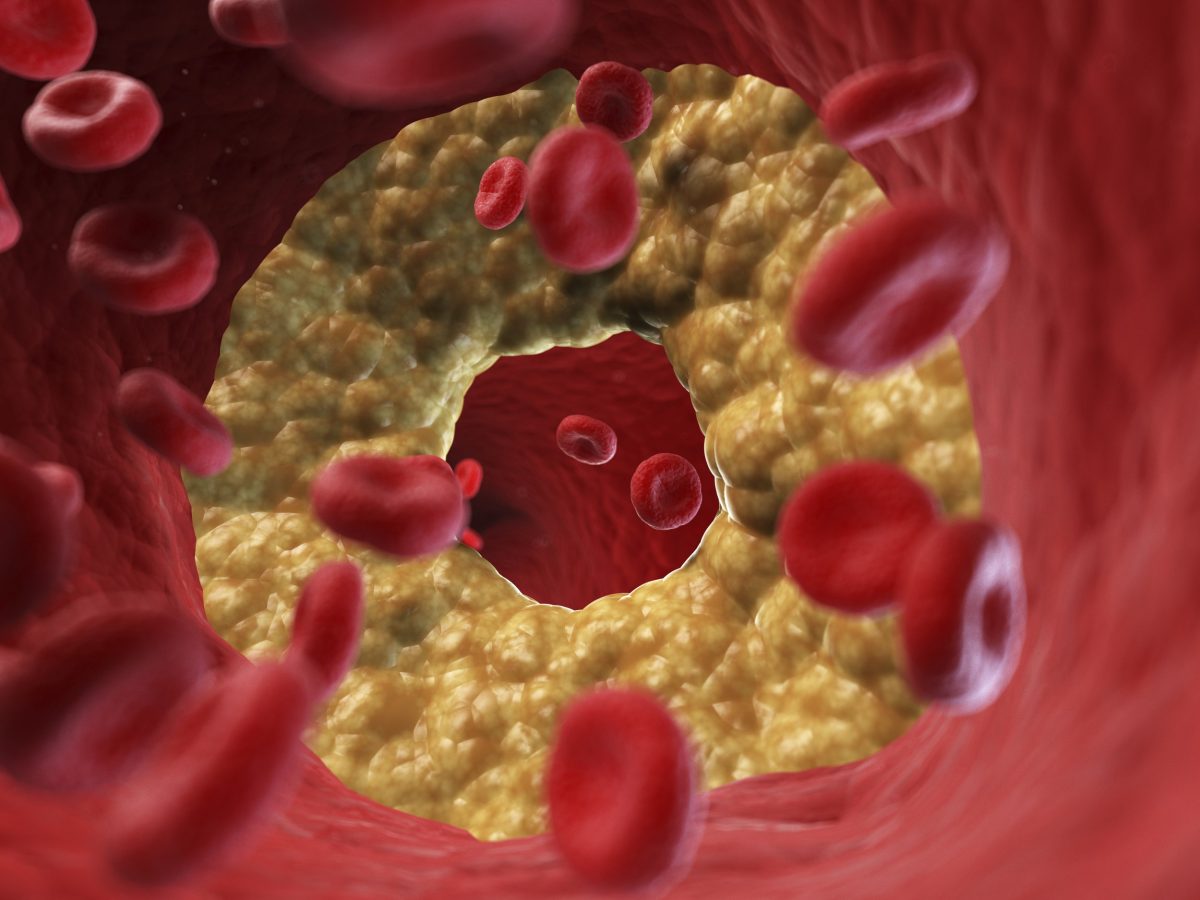
As the new year approaches, many individuals consider their health resolutions. Among these, obtaining a cholesterol test is a significant decision, especially for those with a personal or family history of heart disease. The NHS recommends that most adults begin testing for cholesterol at the age of 40, as elevated cholesterol levels can increase the risk of heart attacks and strokes. However, recent insights reveal that the topic of cholesterol is more intricate than previously understood.
Cholesterol is often simplistically categorized into “good” and “bad” types, but this classification does not fully capture its complexity. Different types of cholesterol particles contribute to overall health in various ways, which can lead to confusing results in cholesterol testing. For instance, a lipid profile can measure up to eight different cholesterol-carrying particles, each with distinct health implications.
Understanding Cholesterol: The Basics
Cholesterol has long been viewed as a harmful fatty substance that contributes to the formation of arterial plaques, akin to limescale in pipes. This narrative led to dietary recommendations in the 1980s advising individuals to avoid cholesterol-rich foods, such as eggs. Yet contemporary research suggests that this perspective is misleading. Cholesterol performs vital functions in the body, including serving as a building block for cell membranes and hormones.
Most cholesterol in the body is synthesized by the liver, not solely derived from dietary sources. Consequently, the historical advice to limit dietary cholesterol is increasingly recognized as flawed. The liver compensates for lower dietary intake by producing more cholesterol, challenging the notion that dietary restriction is necessary for heart health.
Rethinking Cholesterol Testing
Modern medicine has evolved to focus on specific types of cholesterol particles rather than total cholesterol levels. The measurement of these particles is crucial, as they vary in size and composition. The largest particles, known as chylomicrons, transport fats after a meal and are present in high numbers shortly after eating. They are then transformed by the liver into smaller particles known as very low-density lipoproteins (VLDLs) and low-density lipoproteins (LDLs). These LDLs are commonly referred to as “bad cholesterol” due to their tendency to adhere to artery walls and contribute to plaque formation.
Conversely, high-density lipoproteins (HDLs) are often termed “good cholesterol” because they help remove excess cholesterol from plaques, returning it to the liver. A standard cholesterol test typically measures total cholesterol, HDL, LDL, and triglycerides. The prevailing belief is that high LDL levels increase the risk of heart disease, but there are nuances that require attention.
Challenging Assumptions on Cholesterol Risk
There are several ongoing debates among cardiologists regarding the best metrics for assessing heart disease risk. Some experts argue that the number of LDL particles may be a more accurate predictor of plaque formation than the total cholesterol-to-HDL ratio. Dr. Scott Murray, a cardiologist at University Hospitals of Liverpool, suggests that smaller LDL particles pose a greater risk due to their higher likelihood of adhering to arterial walls.
Additionally, the NHS cholesterol test has limitations regarding triglyceride measurement accuracy, which requires fasting for 12 hours prior to testing. Another layer of complexity is introduced by the Apo B test, which measures the protein on LDL particles. While this test can provide a clearer risk assessment for certain individuals, including those with obesity or type 2 diabetes, it is not routinely available through general practitioners.
The Dual Nature of HDL
Recent findings indicate that having very high levels of HDL can be as detrimental as having low levels. Instead of a straightforward relationship, research shows a U-shaped curve regarding HDL levels and mortality risk. This means that individuals with high HDL may receive false reassurance about their heart health, as the standard risk equations do not account for this phenomenon.
Furthermore, another type of cholesterol particle, lipoprotein(a) or Lp(a), which is genetically determined and not influenced by diet, is often overlooked. Elevated levels of Lp(a) can significantly heighten the risk of cardiovascular disease, and approximately one in five individuals have high levels. While current medications do not affect Lp(a), new treatments are on the horizon, and lifestyle changes can still mitigate overall heart risk.
A Holistic Approach to Heart Health
Despite the complexities surrounding cholesterol testing and interpretation, many cardiologists emphasize the importance of undergoing the tests. Professor Manuel Mayr from Imperial College London advocates for the use of statins when warranted, as they can significantly reduce heart disease risk for many individuals without causing adverse side effects.
It’s critical to remember that cholesterol is just one aspect of heart disease risk. Factors such as smoking, alcohol consumption, diet, weight, and physical activity also play pivotal roles in overall cardiovascular health. Professor Ian Graham highlights the importance of a comprehensive view of health, stating, “You can attack total risk from many angles.”
As the new year approaches, individuals are encouraged to take proactive steps towards their health. For those considering a cholesterol test, understanding the intricacies of cholesterol can lead to informed decisions about lifestyle changes and potential treatments.











Belfast Gears Up for Vibrant St Patrick’s Day Parade on March 17

Cuba Faces Nationwide Blackout Amid Deepening Energy Crisis

Wirral Council to Restructure Leadership, Cutting Two Top Roles

Rethinking Resistance Training: Key Insights from US Experts

EU Membership on the Horizon: What It Means for Citizens

Ukrainian Drone Swarms Strike Moscow Region for Second Day

Henley Launches Innovative Initiative to Boost Local Economy

Court Ruling Allows Pandemic Tax Refund Claims Until 2026

Sean Penn’s Absence at 2026 Oscars Sparks Discussion

Coronation Street’s Shocking Murder Twist Reveals Family Secrets

Andrew Pierce Confirms Departure from ITV’s Good Morning Britain

Katie Price Faces New Health Concerns After Cancer Symptoms Resurface

Gyles Brandreth Shares Grandson’s Cancer Battle and Recovery

Sue Radford Reveals Weight Loss Journey, Shedding 12–13 kg

Kate Garraway Sells £2 Million Home Amid Financial Struggles

Jordan Brook Faces Health Crisis in Hospital as Sophie Kasaei Stays Away

EastEnders’ Nicola Mitchell Faces Unexpected Pregnancy Crisis

Reddit Study Reveals Distinctions Between Lurkers and Power Users
-
 World8 months ago
Coronation Street’s Shocking Murder Twist Reveals Family Secrets
-
 Entertainment8 months ago
Andrew Pierce Confirms Departure from ITV’s Good Morning Britain
-
 Health11 months ago
Katie Price Faces New Health Concerns After Cancer Symptoms Resurface
-
 Health6 months ago
Gyles Brandreth Shares Grandson’s Cancer Battle and Recovery
-
 Health6 months ago
Sue Radford Reveals Weight Loss Journey, Shedding 12–13 kg
-
 Entertainment1 year ago
Kate Garraway Sells £2 Million Home Amid Financial Struggles
-
 Entertainment5 months ago
Jordan Brook Faces Health Crisis in Hospital as Sophie Kasaei Stays Away
-
 World9 months ago
EastEnders’ Nicola Mitchell Faces Unexpected Pregnancy Crisis
-
 Science8 months ago
Reddit Study Reveals Distinctions Between Lurkers and Power Users
-

 World9 months ago
Mother Charged After Son, 9, Killed in Tragic Incident in Italy
-

 Entertainment11 months ago
Ann Ming Reflects on ITV’s ‘I Fought the Law’ Drama
-

 World9 months ago
Bailey Announces Heartbreaking Split from Rebecca After Reunion