
Science
UN Climate Summit COP30 Concludes with No Fossil Fuel Commitments

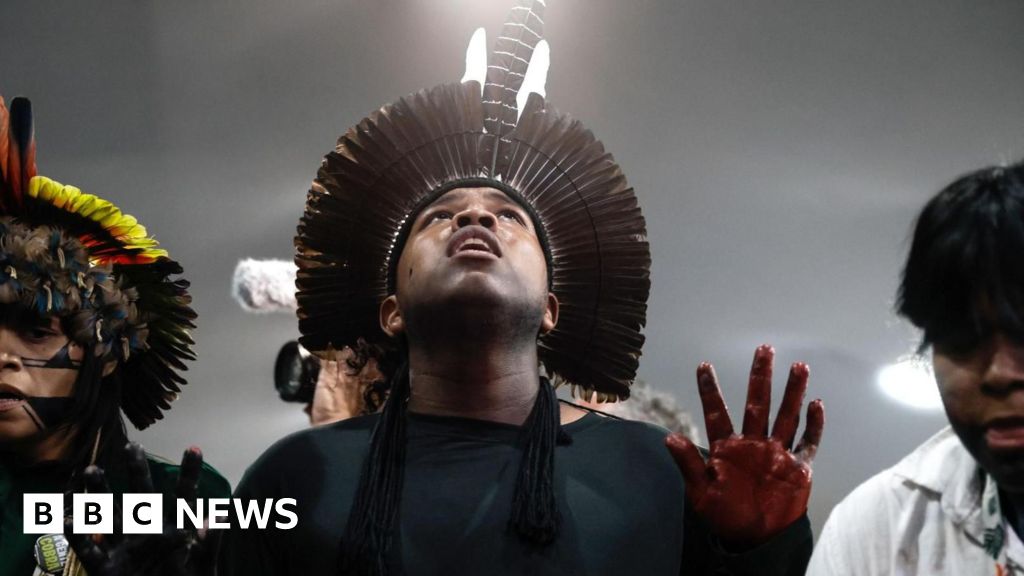
The recent UN climate summit, COP30, held in Belém, Brazil, concluded without securing commitments to reduce fossil fuel usage, a disappointment for over 80 countries, including the United Kingdom and the European Union. Despite calls for urgent action to phase out oil, coal, and gas, oil-producing nations maintained that they require access to these resources to foster economic growth. This outcome arrives as the United Nations warns that efforts to limit global temperature rise to 1.5°C above pre-industrial levels are faltering.
Colombian President Gustavo Petro expressed his discontent with the final agreement during the closing plenary session, stating he “does not accept” the Mutirão deal. This deal encourages countries to “voluntarily” enhance their climate actions but lacks binding commitments regarding fossil fuels. The two-week summit was marked by chaos, including a shortage of water in restrooms, severe thunderstorms flooding the venue, and delegates enduring oppressive heat in unair-conditioned rooms.
The event saw nearly 50,000 registered delegates, who were evacuated twice due to safety concerns, including a fire that significantly damaged the venue’s roof on Thursday. A protest by approximately 150 demonstrators took place within the conference, advocating for environmental protection with signs stating, “our forests are not for sale.” Brazilian President Luiz Inácio Lula da Silva selected Belém to spotlight the Amazon rainforest and attract investments, yet Brazil faced criticism for its plans to expand oil drilling operations at the Amazon’s mouth.
Analysis from the campaign group Global Witness indicates that Brazil’s offshore oil and gas production is anticipated to escalate until the early 2030s. Despite the lack of a robust fossil fuel agreement, some nations found positivity in the outcome. India characterized the agreement as “meaningful,” while representatives from 39 small island and coastal states deemed it “imperfect” but a step toward “progress.”
While some developing nations secured increased promises for climate finance to adapt to climate change impacts, the failure to include stronger fossil fuel commitments left many, including UK Secretary of State for Energy and Climate Change Ed Miliband, feeling frustrated. Miliband acknowledged the meeting as a “step forward,” yet expressed a desire for a more ambitious agreement. Wopke Hoekstra, the EU climate commissioner, reiterated this sentiment, emphasizing the need for greater ambition across all areas of the climate agenda.
As the world continues to grapple with the realities of climate change, the outcomes of COP30 underscore the ongoing tensions between economic interests and environmental responsibilities. The lack of concrete commitments on fossil fuels raises significant questions about the future direction of global climate policy and the urgent need for coordinated action.









Belfast Gears Up for Vibrant St Patrick’s Day Parade on March 17

Cuba Faces Nationwide Blackout Amid Deepening Energy Crisis

Wirral Council to Restructure Leadership, Cutting Two Top Roles

Rethinking Resistance Training: Key Insights from US Experts

EU Membership on the Horizon: What It Means for Citizens

Ukrainian Drone Swarms Strike Moscow Region for Second Day

Henley Launches Innovative Initiative to Boost Local Economy

Court Ruling Allows Pandemic Tax Refund Claims Until 2026

Sean Penn’s Absence at 2026 Oscars Sparks Discussion

Coronation Street’s Shocking Murder Twist Reveals Family Secrets

Andrew Pierce Confirms Departure from ITV’s Good Morning Britain

Katie Price Faces New Health Concerns After Cancer Symptoms Resurface

Gyles Brandreth Shares Grandson’s Cancer Battle and Recovery

Sue Radford Reveals Weight Loss Journey, Shedding 12–13 kg

Kate Garraway Sells £2 Million Home Amid Financial Struggles

Jordan Brook Faces Health Crisis in Hospital as Sophie Kasaei Stays Away

EastEnders’ Nicola Mitchell Faces Unexpected Pregnancy Crisis

Reddit Study Reveals Distinctions Between Lurkers and Power Users
-
 World8 months ago
Coronation Street’s Shocking Murder Twist Reveals Family Secrets
-
 Entertainment8 months ago
Andrew Pierce Confirms Departure from ITV’s Good Morning Britain
-
 Health12 months ago
Katie Price Faces New Health Concerns After Cancer Symptoms Resurface
-
 Health7 months ago
Gyles Brandreth Shares Grandson’s Cancer Battle and Recovery
-
 Health7 months ago
Sue Radford Reveals Weight Loss Journey, Shedding 12–13 kg
-
 Entertainment1 year ago
Kate Garraway Sells £2 Million Home Amid Financial Struggles
-
 Entertainment5 months ago
Jordan Brook Faces Health Crisis in Hospital as Sophie Kasaei Stays Away
-
 World9 months ago
EastEnders’ Nicola Mitchell Faces Unexpected Pregnancy Crisis
-
 Science8 months ago
Reddit Study Reveals Distinctions Between Lurkers and Power Users
-

 World9 months ago
Mother Charged After Son, 9, Killed in Tragic Incident in Italy
-

 Entertainment12 months ago
Ann Ming Reflects on ITV’s ‘I Fought the Law’ Drama
-

 World9 months ago
Bailey Announces Heartbreaking Split from Rebecca After Reunion