
Science
Tectonic Activity in Ethiopia Signals Birth of New Ocean

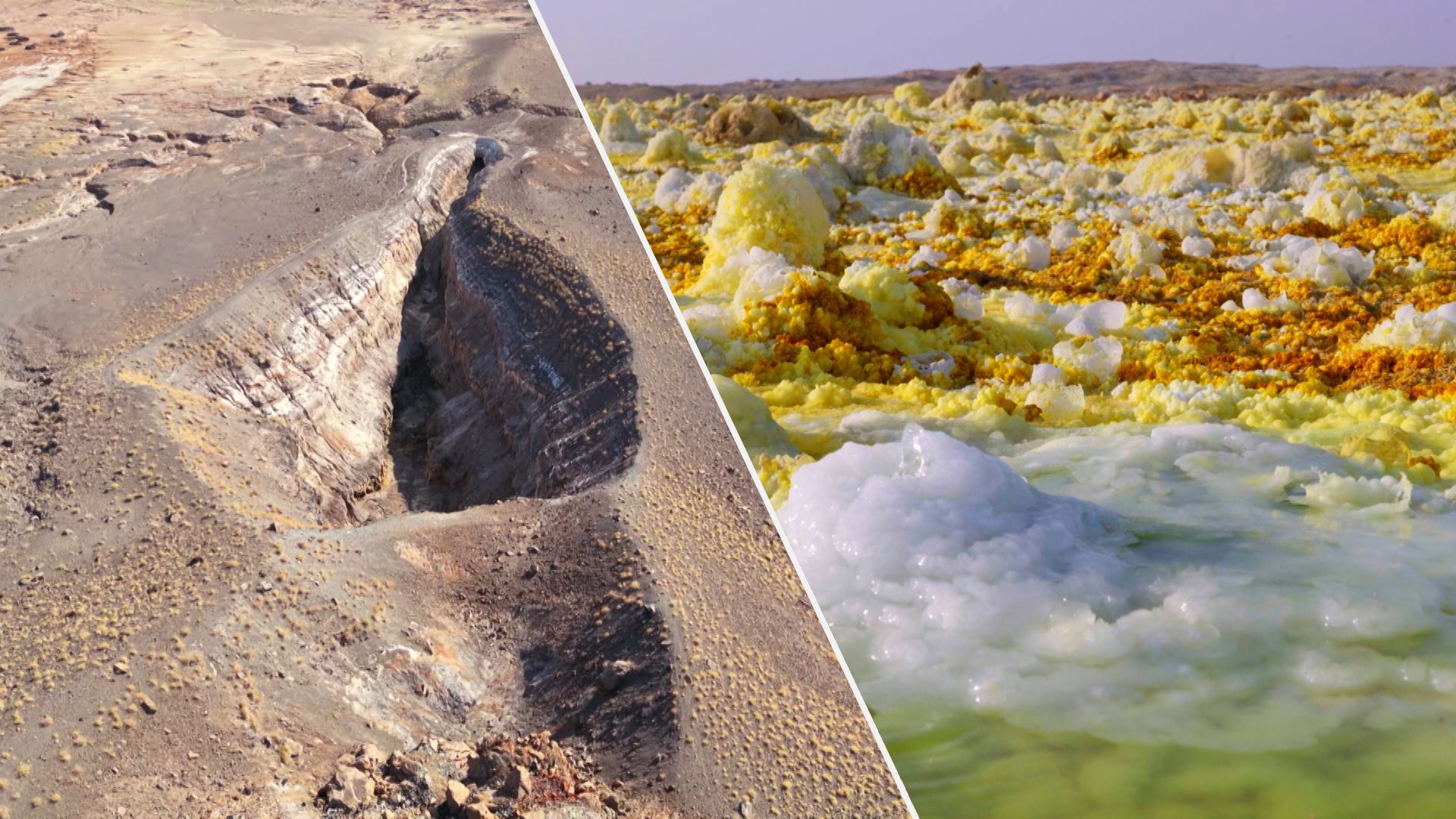
The Afar region of Ethiopia is undergoing significant geological changes that could lead to the formation of a new ocean, effectively splitting Africa in two. Recent tectonic activity, marked by a series of earthquakes and volcanic eruptions, has created expansive cracks in the earth, providing a striking visual representation of these forces at work. This phenomenon illustrates how the slow process of tectonic plate movement can be observed in real time.
Scientists have long understood that the East African Rift, which runs through the Afar region, is a tectonic boundary where the African plate is slowly being pulled apart. As the rift continues to expand, it is expected to create a new ocean basin over geological timescales, a process that can take millions of years. The recent seismic activity has accelerated this natural progression, offering researchers a unique opportunity to study these changes.
Geological Significance of the Afar Region
The Afar region is already known for its geological activity and unique landscape. It sits at the junction of three tectonic plates: the African, Arabian, and Somali plates. This convergence results in frequent earthquakes and volcanic eruptions, which have intensified in recent years. According to observations made by local scientists, the ground has begun to crack, revealing fissures that extend for several kilometers.
The most notable event occurred in late 2025, when a series of earthquakes struck the region, including a significant tremor that registered a magnitude of 6.2. This seismic activity was accompanied by volcanic eruptions, further disrupting the landscape and contributing to the formation of new geological features. These developments not only reshape the physical environment but also pose potential risks to local communities.
Impact on Local Communities and Future Research
As the tectonic forces continue to reshape the Afar region, local communities are facing both challenges and opportunities. The geological instability raises concerns about safety and infrastructure. However, it also attracts scientists and researchers eager to study the processes involved in the formation of new landforms.
Jamal Osman, an Africa correspondent, emphasizes the importance of ongoing research in understanding these phenomena. “The Afar region serves as a natural laboratory for geologists,” he noted. “Studying the changes here can provide valuable insights into the dynamics of tectonic activity and the Earth’s geological history.”
The potential for a new ocean forming in the Afar region highlights the dynamic nature of our planet. While such changes may not be immediately felt, they have profound implications for the future of the African continent and its geological landscape. As scientists continue to monitor the situation, the international community is watching closely to understand the implications of this extraordinary natural event.






Belfast Gears Up for Vibrant St Patrick’s Day Parade on March 17

Cuba Faces Nationwide Blackout Amid Deepening Energy Crisis

Wirral Council to Restructure Leadership, Cutting Two Top Roles

Rethinking Resistance Training: Key Insights from US Experts

EU Membership on the Horizon: What It Means for Citizens

Ukrainian Drone Swarms Strike Moscow Region for Second Day

Henley Launches Innovative Initiative to Boost Local Economy

Court Ruling Allows Pandemic Tax Refund Claims Until 2026

Sean Penn’s Absence at 2026 Oscars Sparks Discussion

Coronation Street’s Shocking Murder Twist Reveals Family Secrets

Andrew Pierce Confirms Departure from ITV’s Good Morning Britain

Katie Price Faces New Health Concerns After Cancer Symptoms Resurface

Gyles Brandreth Shares Grandson’s Cancer Battle and Recovery

Sue Radford Reveals Weight Loss Journey, Shedding 12–13 kg

Kate Garraway Sells £2 Million Home Amid Financial Struggles

Jordan Brook Faces Health Crisis in Hospital as Sophie Kasaei Stays Away

EastEnders’ Nicola Mitchell Faces Unexpected Pregnancy Crisis

Reddit Study Reveals Distinctions Between Lurkers and Power Users
-
 World8 months ago
Coronation Street’s Shocking Murder Twist Reveals Family Secrets
-
 Entertainment8 months ago
Andrew Pierce Confirms Departure from ITV’s Good Morning Britain
-
 Health11 months ago
Katie Price Faces New Health Concerns After Cancer Symptoms Resurface
-
 Health6 months ago
Gyles Brandreth Shares Grandson’s Cancer Battle and Recovery
-
 Health6 months ago
Sue Radford Reveals Weight Loss Journey, Shedding 12–13 kg
-
 Entertainment12 months ago
Kate Garraway Sells £2 Million Home Amid Financial Struggles
-
 Entertainment5 months ago
Jordan Brook Faces Health Crisis in Hospital as Sophie Kasaei Stays Away
-
 World9 months ago
EastEnders’ Nicola Mitchell Faces Unexpected Pregnancy Crisis
-
 Science8 months ago
Reddit Study Reveals Distinctions Between Lurkers and Power Users
-

 World9 months ago
Mother Charged After Son, 9, Killed in Tragic Incident in Italy
-

 Entertainment11 months ago
Ann Ming Reflects on ITV’s ‘I Fought the Law’ Drama
-

 World9 months ago
Bailey Announces Heartbreaking Split from Rebecca After Reunion