
Science
NHS England Launches Groundbreaking Gene Database for Cancer Risk

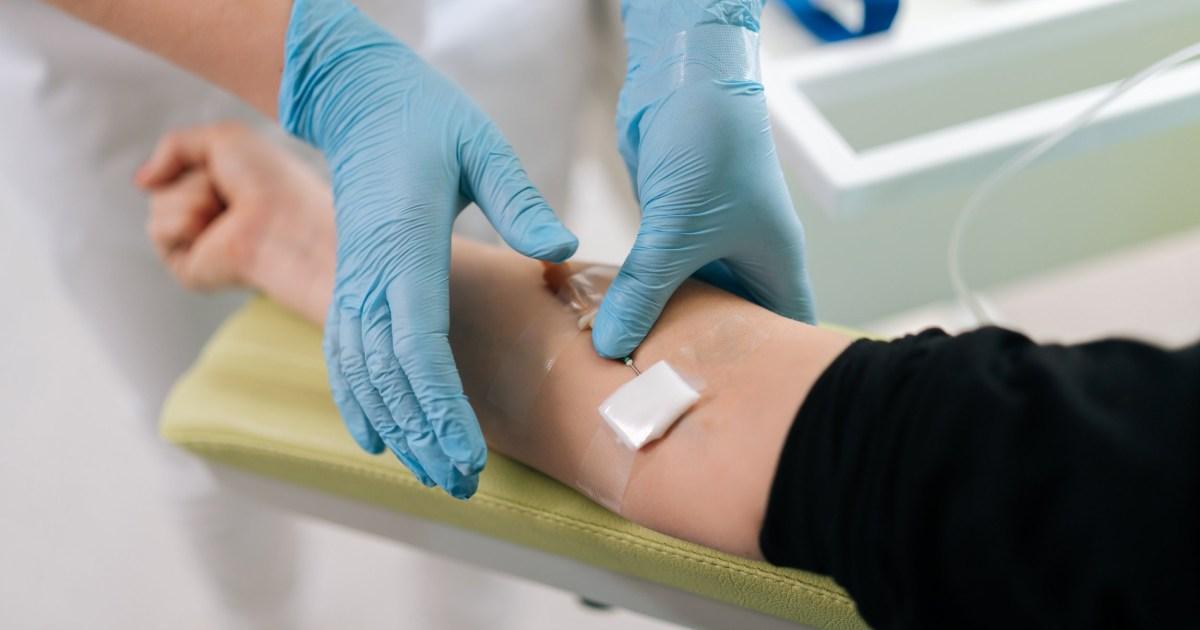
In a pioneering initiative, NHS England has announced the development of a comprehensive gene database aimed at enhancing the screening process for thousands of individuals at risk of inherited cancers. This unprecedented program will establish a register of 120 genes associated with an increased likelihood of cancer, marking a significant advancement in cancer prevention and treatment.
Transforming Cancer Screening
The new gene database is part of a 10-year plan intended to refine cancer prevention strategies and improve patient outcomes. Family members of cancer patients, as well as individuals diagnosed with cancer, will have the opportunity to compare their genetic information against this database. This could facilitate earlier screenings and allow healthcare providers to tailor treatments based on specific genetic profiles.
Professor Peter Johnson, the National Clinical Director for Cancer at NHS England, emphasized that this initiative represents a shift into a “new era of cancer prevention.” He stated that the register could significantly increase the number of individuals eligible for screenings, advanced testing, and cutting-edge treatments.
Personalized Care and Early Detection
According to Health Secretary Wes Streeting, the database aims to modernize the NHS and provide more personalized care. He noted, “One in every two people will get cancer in their lifetime,” highlighting the importance of understanding inherited genetic risks. The initiative is designed to harness research insights into genetic predispositions, which could enhance preventive care and early detection.
“This register won’t just supercharge innovation – it will be life-changing and life-saving,” Streeting said, underscoring the transformative potential of the database.
The development comes on the heels of success from the Lynch syndrome register, which has successfully facilitated routine preventive screenings for many individuals identified with the condition. Claire Rowney, Chief Executive of Breast Cancer Now, expressed her support for the initiative, stating that the creation of a national database is a long-awaited step toward improving access to timely screenings and risk-reducing treatments.
Professor Johnson further articulated the potential impact of knowing one’s inherited cancer risk, stating, “Finding out you have an inherited risk of cancer can be life-changing.” He explained that such knowledge allows individuals to access tailored advice on risk-reducing measures and essential monitoring, thereby increasing the chances of early detection or even cancer prevention.
As NHS England embarks on this ambitious project, the hope is that it will not only advance cancer research but also significantly enhance patient care across the United Kingdom. The establishment of this gene database is anticipated to play a crucial role in the fight against cancer, potentially transforming the landscape of cancer treatment and prevention for many.









Belfast Gears Up for Vibrant St Patrick’s Day Parade on March 17

Cuba Faces Nationwide Blackout Amid Deepening Energy Crisis

Wirral Council to Restructure Leadership, Cutting Two Top Roles

Rethinking Resistance Training: Key Insights from US Experts

EU Membership on the Horizon: What It Means for Citizens

Ukrainian Drone Swarms Strike Moscow Region for Second Day

Henley Launches Innovative Initiative to Boost Local Economy

Court Ruling Allows Pandemic Tax Refund Claims Until 2026

Sean Penn’s Absence at 2026 Oscars Sparks Discussion

Coronation Street’s Shocking Murder Twist Reveals Family Secrets

Andrew Pierce Confirms Departure from ITV’s Good Morning Britain

Katie Price Faces New Health Concerns After Cancer Symptoms Resurface

Sue Radford Reveals Weight Loss Journey, Shedding 12–13 kg

Kate Garraway Sells £2 Million Home Amid Financial Struggles

Jordan Brook Faces Health Crisis in Hospital as Sophie Kasaei Stays Away

EastEnders’ Nicola Mitchell Faces Unexpected Pregnancy Crisis

Bailey Announces Heartbreaking Split from Rebecca After Reunion

Ann Ming Reflects on ITV’s ‘I Fought the Law’ Drama
-
 World4 months ago
Coronation Street’s Shocking Murder Twist Reveals Family Secrets
-
 Entertainment4 months ago
Andrew Pierce Confirms Departure from ITV’s Good Morning Britain
-
 Health7 months ago
Katie Price Faces New Health Concerns After Cancer Symptoms Resurface
-
 Health2 months ago
Sue Radford Reveals Weight Loss Journey, Shedding 12–13 kg
-
 Entertainment8 months ago
Kate Garraway Sells £2 Million Home Amid Financial Struggles
-
 Entertainment2 weeks ago
Jordan Brook Faces Health Crisis in Hospital as Sophie Kasaei Stays Away
-
 World5 months ago
EastEnders’ Nicola Mitchell Faces Unexpected Pregnancy Crisis
-
 World4 months ago
Bailey Announces Heartbreaking Split from Rebecca After Reunion
-
 Entertainment7 months ago
Ann Ming Reflects on ITV’s ‘I Fought the Law’ Drama
-

 Entertainment2 months ago
Selena Gomez’s Name Linked to Epstein: Examining the Claims
-

 Health7 months ago
TOWIE Stars Sophie Kasaei and Jordan Brook Pursue Fertility Treatment
-

 Health7 months ago
Fiona Phillips’ Husband Shares Heartbreaking Update on Her Health