
Science
Interstellar Comet 3I/ATLAS Reveals Surprising Nickel Discovery

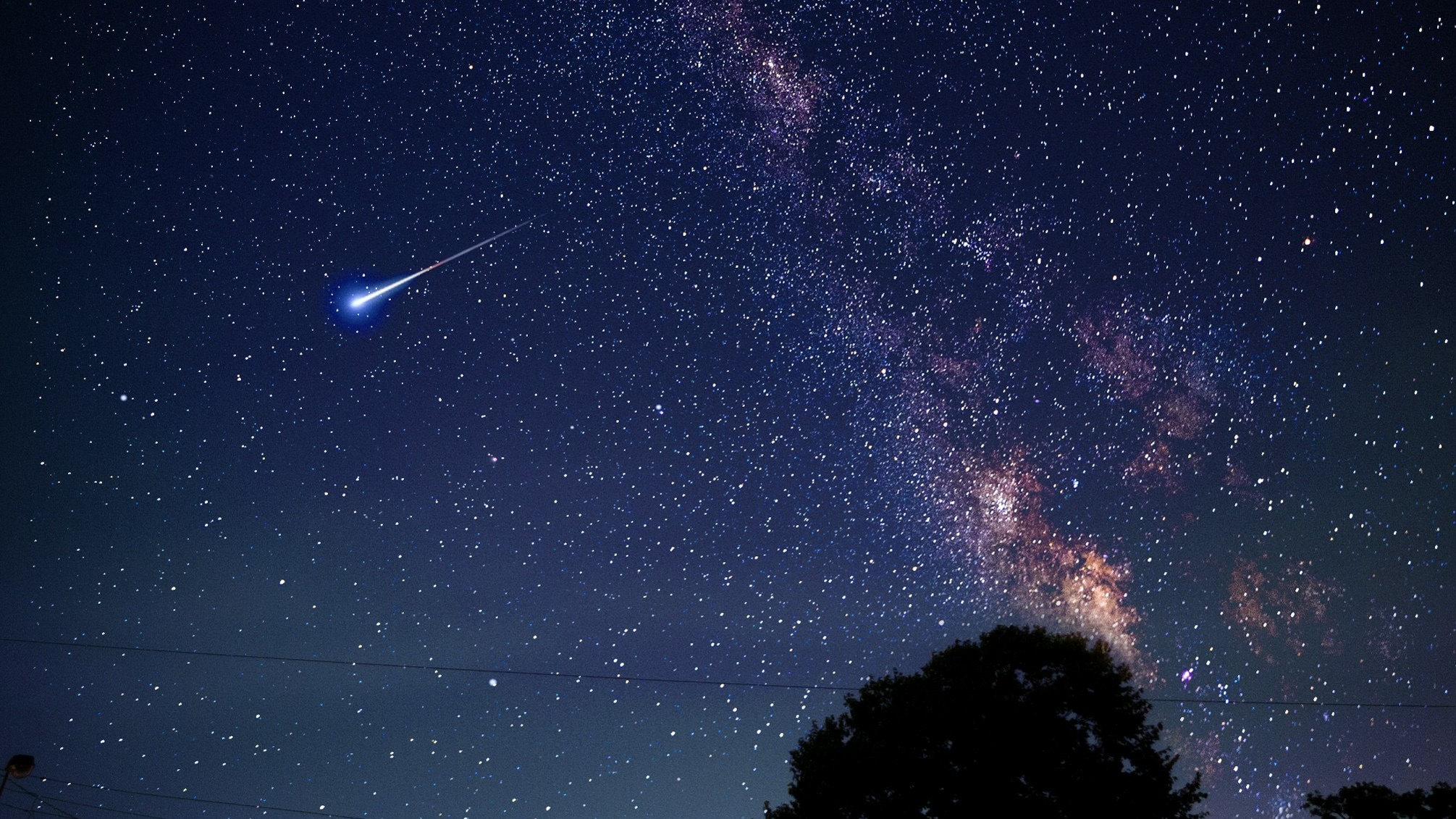
The interstellar comet 3I/ATLAS has reached a significant milestone in its journey, having passed its closest point to the Sun, known as perihelion, on October 29, 2025. This rare visitor from another star system is providing scientists with unprecedented insights into the chemical makeup of materials originating beyond our own Solar System. Recent observations have unveiled the presence of nickel vapour, a finding that could reshape our understanding of how comets form and evolve in different celestial environments.
Unusual Chemical Composition
During its perihelion, 3I/ATLAS came within approximately 1.356 AU (astronomical units) of the Sun, a close encounter that significantly energized the comet. Images captured by the Gemini South Observatory revealed that its tail became more structured as the Sun’s heat vaporized the ice and dust. However, the most striking discovery was made through spectroscopic measurements, which revealed nickel vapour in the comet’s coma. This is an uncommon finding, as comets in our Solar System typically contain lighter compounds and are rich in water ice.
The detection of nickel suggests that 3I/ATLAS may have originated in a star system with a different chemical composition than that of our own. In addition to nickel, scientists also identified cyanogen (CN) gas, further indicating that this comet is a unique and pristine sample of material from a foreign planetary system. Such findings provide vital clues about planetary formation around other stars.
Active Water Source and Future Observations
The comet is proving to be more than just a metallic enigma; it also serves as an active source of water. The Neil Gehrels Swift Observatory detected hydroxyl radicals (OH), a chemical indicator confirming that 3I/ATLAS is actively releasing water ice, even at considerable distances from the Sun. The combination of this water activity, along with observations of a carbon dioxide-rich coma and an evolving tail, affirms its dynamic, comet-like behavior.
As for its trajectory, NASA has confirmed that 3I/ATLAS poses no threat to Earth. The comet is on a one-way trip through our Solar System, moving at high speed with an eccentricity of approximately 6, indicating it is not gravitationally bound to the Sun. After this single encounter, it will continue its journey into interstellar space.
While visibility from Earth is limited, scientists are preparing for two critical observation windows. On November 3, 2025, spacecraft near Mars and Venus will observe the comet from a distance of about 97 million kilometres. The final opportunity for observation will occur on December 19, 2025, when 3I/ATLAS will make its closest approach to Earth at roughly 1.8 AU. These observations are essential as they provide a rare glimpse into material from another star system, helping scientists refine their theories on planetary formation beyond our own Solar System.











Belfast Gears Up for Vibrant St Patrick’s Day Parade on March 17

Cuba Faces Nationwide Blackout Amid Deepening Energy Crisis

Wirral Council to Restructure Leadership, Cutting Two Top Roles

Rethinking Resistance Training: Key Insights from US Experts

EU Membership on the Horizon: What It Means for Citizens

Ukrainian Drone Swarms Strike Moscow Region for Second Day

Henley Launches Innovative Initiative to Boost Local Economy

Court Ruling Allows Pandemic Tax Refund Claims Until 2026

Sean Penn’s Absence at 2026 Oscars Sparks Discussion

Coronation Street’s Shocking Murder Twist Reveals Family Secrets

Andrew Pierce Confirms Departure from ITV’s Good Morning Britain

Katie Price Faces New Health Concerns After Cancer Symptoms Resurface

Gyles Brandreth Shares Grandson’s Cancer Battle and Recovery

Sue Radford Reveals Weight Loss Journey, Shedding 12–13 kg

Kate Garraway Sells £2 Million Home Amid Financial Struggles

Jordan Brook Faces Health Crisis in Hospital as Sophie Kasaei Stays Away

EastEnders’ Nicola Mitchell Faces Unexpected Pregnancy Crisis

Reddit Study Reveals Distinctions Between Lurkers and Power Users
-
 World8 months ago
Coronation Street’s Shocking Murder Twist Reveals Family Secrets
-
 Entertainment8 months ago
Andrew Pierce Confirms Departure from ITV’s Good Morning Britain
-
 Health11 months ago
Katie Price Faces New Health Concerns After Cancer Symptoms Resurface
-
 Health6 months ago
Gyles Brandreth Shares Grandson’s Cancer Battle and Recovery
-
 Health6 months ago
Sue Radford Reveals Weight Loss Journey, Shedding 12–13 kg
-
 Entertainment12 months ago
Kate Garraway Sells £2 Million Home Amid Financial Struggles
-
 Entertainment5 months ago
Jordan Brook Faces Health Crisis in Hospital as Sophie Kasaei Stays Away
-
 World9 months ago
EastEnders’ Nicola Mitchell Faces Unexpected Pregnancy Crisis
-
 Science8 months ago
Reddit Study Reveals Distinctions Between Lurkers and Power Users
-

 World9 months ago
Mother Charged After Son, 9, Killed in Tragic Incident in Italy
-

 Entertainment11 months ago
Ann Ming Reflects on ITV’s ‘I Fought the Law’ Drama
-

 World9 months ago
Bailey Announces Heartbreaking Split from Rebecca After Reunion