
Science
Elgin Radiologist Leverages AI to Enhance Lung Cancer Detection

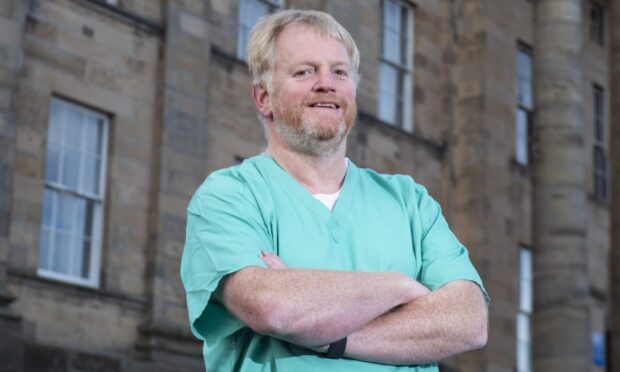
A consultant radiologist in Elgin, Scotland, is pioneering the use of artificial intelligence (AI) to improve the early detection of lung cancer within the NHS Grampian health system. Dr. Struan Wilkie has integrated AI technologies into the review process of approximately 70,000 chest X-rays annually, aiming to identify potential cancer cases sooner and enhance patient outcomes.
Reflecting on his early fascination with computing, Dr. Wilkie recalls his first encounter with the BBC Micro computer in the 1980s. It was a formative experience that eventually led him to merge technology with medicine. “I’ve always had an interest in computing, and that’s probably why I wanted to merge the medical and computing sides together to make people’s lives better,” he stated from his office at Dr. Gray’s Hospital.
The challenge of lung cancer detection is significant, as it is the leading cause of cancer deaths in Scotland. Many cases are diagnosed late when symptoms are vague or attributed to other conditions. “It’s often a hidden killer,” Wilkie explains. Patients frequently undergo chest X-rays for unrelated issues, which can inadvertently reveal cancer. By prioritising these scans using AI, the radiology teams can reduce waiting times and ensure that patients receive timely care.
The AI system developed under NHS Grampian has already shown promising results. X-rays flagged for urgent suspected cancer are now reported within 24 hours, significantly decreasing delays in the diagnostic process. This innovation not only streamlines workflow for radiologists but also enhances the chances of effective treatment for patients.
Implementing this technology was not without challenges. Dr. Wilkie noted that transitioning from research trials to practical application involved extensive collaboration among various stakeholders. “There were governance checks, IT systems to align, and organisations that had never worked together before needing to talk to each other,” he said. Additionally, addressing staff concerns regarding the impact of AI on their roles was crucial.
Wilkie asserts that AI is not intended to replace medical professionals but to assist them. “At no point is the AI running autonomously. It’s a prioritisation tool — a way of making sure the patients who need attention most urgently are seen first,” he emphasised.
The potential of AI in radiology is significant, likening its impact to the transition from traditional X-ray imaging to computed tomography (CT). “It’s probably analogous to when we went from X-ray to CT,” he noted, referencing the advancements that established Aberdeen Royal Infirmary as a leader in advanced imaging.
In his view, AI represents a new frontier in healthcare, poised to address ongoing challenges within the NHS. The journey from the classroom to cutting-edge medical technology reflects a remarkable evolution, one that Dr. Wilkie hopes will continue to benefit patients.
Outside of work, he enjoys revisiting retro video games, a hobby sparked by his early computing interest. “I’m currently enjoying all the retro games,” he said, though he added humorously that his wife was shocked to discover their worth.
The integration of AI into the NHS not only exemplifies innovation in healthcare but also highlights the importance of early detection in improving patient survival rates. As NHS Grampian continues to refine its processes, the collaboration between technology and medicine promises to lead to better outcomes for those facing lung cancer.










Belfast Gears Up for Vibrant St Patrick’s Day Parade on March 17

Cuba Faces Nationwide Blackout Amid Deepening Energy Crisis

Wirral Council to Restructure Leadership, Cutting Two Top Roles

Rethinking Resistance Training: Key Insights from US Experts

EU Membership on the Horizon: What It Means for Citizens

Ukrainian Drone Swarms Strike Moscow Region for Second Day

Henley Launches Innovative Initiative to Boost Local Economy

Court Ruling Allows Pandemic Tax Refund Claims Until 2026

Sean Penn’s Absence at 2026 Oscars Sparks Discussion

Coronation Street’s Shocking Murder Twist Reveals Family Secrets

Andrew Pierce Confirms Departure from ITV’s Good Morning Britain

Katie Price Faces New Health Concerns After Cancer Symptoms Resurface

Sue Radford Reveals Weight Loss Journey, Shedding 12–13 kg

Kate Garraway Sells £2 Million Home Amid Financial Struggles

Jordan Brook Faces Health Crisis in Hospital as Sophie Kasaei Stays Away

EastEnders’ Nicola Mitchell Faces Unexpected Pregnancy Crisis

Bailey Announces Heartbreaking Split from Rebecca After Reunion

Ann Ming Reflects on ITV’s ‘I Fought the Law’ Drama
-
 World4 months ago
Coronation Street’s Shocking Murder Twist Reveals Family Secrets
-
 Entertainment4 months ago
Andrew Pierce Confirms Departure from ITV’s Good Morning Britain
-
 Health7 months ago
Katie Price Faces New Health Concerns After Cancer Symptoms Resurface
-
 Health3 months ago
Sue Radford Reveals Weight Loss Journey, Shedding 12–13 kg
-
 Entertainment8 months ago
Kate Garraway Sells £2 Million Home Amid Financial Struggles
-
 Entertainment4 weeks ago
Jordan Brook Faces Health Crisis in Hospital as Sophie Kasaei Stays Away
-
 World5 months ago
EastEnders’ Nicola Mitchell Faces Unexpected Pregnancy Crisis
-
 World5 months ago
Bailey Announces Heartbreaking Split from Rebecca After Reunion
-
 Entertainment7 months ago
Ann Ming Reflects on ITV’s ‘I Fought the Law’ Drama
-

 Entertainment2 months ago
Selena Gomez’s Name Linked to Epstein: Examining the Claims
-

 Health7 months ago
TOWIE Stars Sophie Kasaei and Jordan Brook Pursue Fertility Treatment
-

 Health8 months ago
Fiona Phillips’ Husband Shares Heartbreaking Update on Her Health