
Science
Community Leaders Demand Energy Development Involvement in Shetland

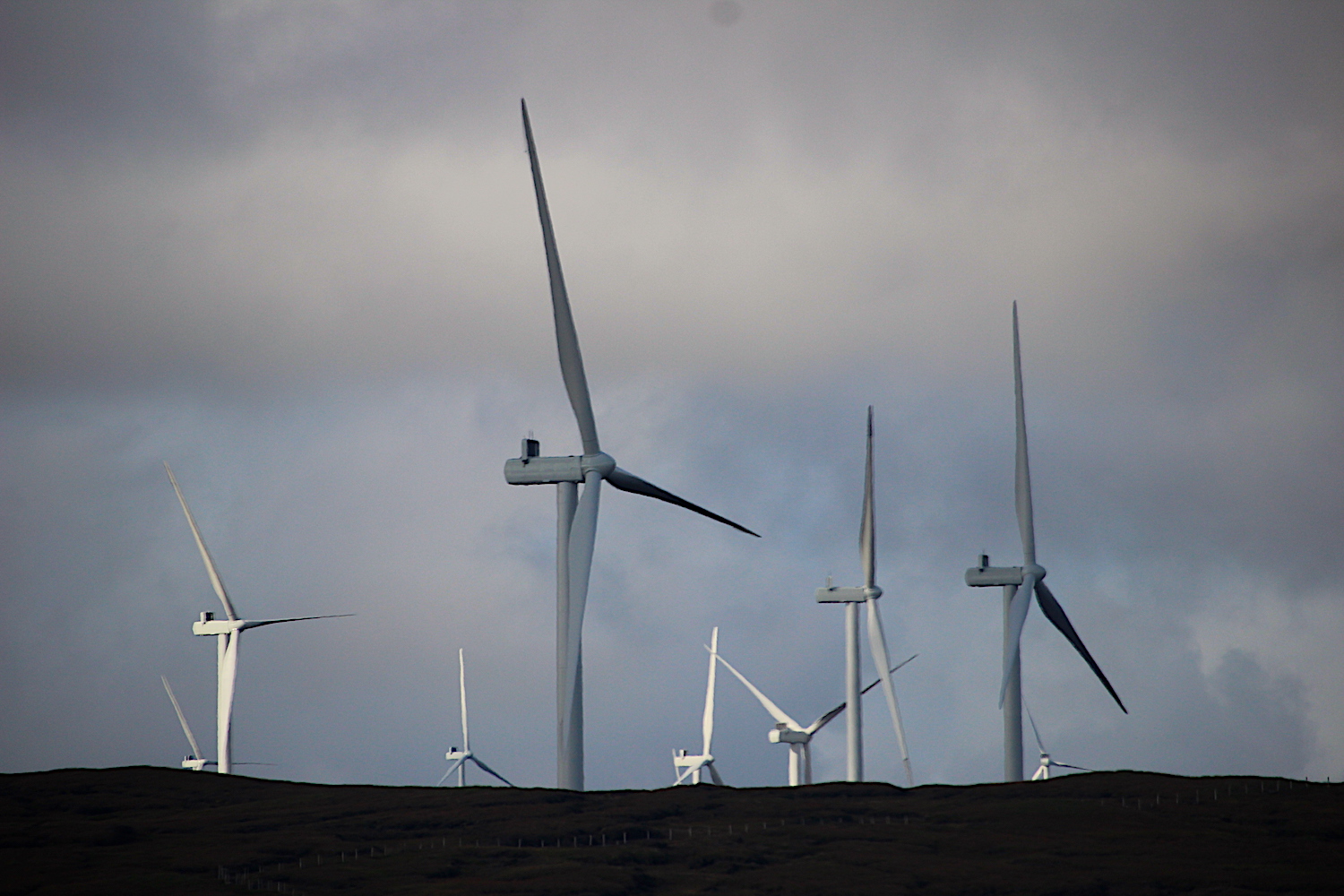
Community leaders from Shetland are calling for greater involvement in energy development decisions, emphasising the need for projects to be conducted in a manner that respects both the environment and local communities. During a recent roundtable event at Holyrood, Andrew Archer, chair of the Tingwall, Whiteness and Weisdale community council, voiced concerns that energy initiatives are being imposed on communities rather than developed collaboratively.
The Rural Scotland Convention on Major Energy Infrastructure, which took place last week, gathered community council representatives from across Scotland. Organised by Highland councillor Helen Crawford, the convention aimed to address the impact of significant energy projects. Among the attendees was Gillian Martin, cabinet secretary for climate change and energy. Crawford urged for a clear national energy policy and proposed a pause on major energy applications until such a plan is established. Following the discussions, Martin indicated the creation of a forum to engage communities in the planning of the National Energy System Operator’s (NESO) strategic spatial energy plan. Nevertheless, she argued that pausing energy projects is “not sustainable,” highlighting their role in achieving net-zero targets.
Archer noted that the movement began last summer in the Highland region, where community councillors collectively issued a “unified statement” requesting a halt on developments pending a thorough planning inquiry into their effects on rural areas. This inquiry arises from growing concerns over new infrastructure, such as a proposed pylon network stretching over 100 miles between Beauly and Peterhead. In Shetland, various developments are on the horizon, including overhead lines, substations, a second HVDC subsea cable, and wind farms, alongside two offshore wind farms planned east of the islands.
Archer clarified that this initiative is not a “NIMBY” (not in my back yard) reaction. Instead, he emphasised that the statement acknowledges the urgent reality of climate change and the necessity for action. He expressed that the intent is to galvanise elected representatives to address the harmful manner in which developments are being conducted, often with little consideration for affected communities.
“There is a growing feeling in rural communities in Scotland that the myriad energy projects happening across the nation are being done to us rather than with us,” Archer stated. He further described the situation as a “modern-day land-grab,” with developers focused on profit while communities feel overlooked as their landscapes and resources are exploited.
The ongoing energy developments in Shetland contribute to a sense of creeping industrialisation. Archer pointed out existing projects, including the Viking Energy project and the upcoming Mossy Hill wind farm, as well as the proposed ammonia plant at Tagdale and new pylons extending north from Kergord.
In June, Archer plans to present these concerns to the Association of Shetland Community Councils, advocating for support in pressing for a pause on developments while their broader impacts are assessed. Shetland Central councillor Moraig Lyall, who attended the Holyrood meeting, highlighted shared concerns across rural Scotland, noting that representatives from various regions passionately expressed their challenges. “My key takeaway message was that all rural parts of Scotland are facing the same issues,” she said, underlining the importance of collaboration.
Lyall has also been working with local councils to organise a convention in Shetland, similar to those conducted in Highland, Borders, and Aberdeenshire. She emphasised the need for a careful evaluation of project necessity and placement: “We need to be sure that it’s needed, it’s in the right place, and then we can discuss how we can ensure it’s making a difference for Shetland.”
Despite the concerns expressed, a spokesperson for the Scottish Government clarified that Martin’s attendance at the event was planned for 30 minutes. They stressed the importance of ensuring that communities experiencing significant developments benefit directly from them, which includes shared ownership opportunities and community benefits.
Furthermore, it was noted that while the power to mandate community benefits is reserved for the UK government, the Scottish Government has been advocating for obligatory community benefits from mature onshore renewable projects.
In related news, RSPB Scotland has raised “serious concerns” regarding the cumulative impact of these developments on local bird populations, underscoring the environmental implications intertwined with energy projects in Shetland. The ongoing dialogue reflects a critical juncture for energy development in Scotland, where balancing growth and community welfare is becoming increasingly vital.











Belfast Gears Up for Vibrant St Patrick’s Day Parade on March 17

Cuba Faces Nationwide Blackout Amid Deepening Energy Crisis

Wirral Council to Restructure Leadership, Cutting Two Top Roles

Rethinking Resistance Training: Key Insights from US Experts

EU Membership on the Horizon: What It Means for Citizens

Ukrainian Drone Swarms Strike Moscow Region for Second Day

Henley Launches Innovative Initiative to Boost Local Economy

Court Ruling Allows Pandemic Tax Refund Claims Until 2026

Sean Penn’s Absence at 2026 Oscars Sparks Discussion

Coronation Street’s Shocking Murder Twist Reveals Family Secrets

Andrew Pierce Confirms Departure from ITV’s Good Morning Britain

Katie Price Faces New Health Concerns After Cancer Symptoms Resurface

Gyles Brandreth Shares Grandson’s Cancer Battle and Recovery

Sue Radford Reveals Weight Loss Journey, Shedding 12–13 kg

Kate Garraway Sells £2 Million Home Amid Financial Struggles

Jordan Brook Faces Health Crisis in Hospital as Sophie Kasaei Stays Away

EastEnders’ Nicola Mitchell Faces Unexpected Pregnancy Crisis

Reddit Study Reveals Distinctions Between Lurkers and Power Users
-
 World9 months ago
Coronation Street’s Shocking Murder Twist Reveals Family Secrets
-
 Entertainment9 months ago
Andrew Pierce Confirms Departure from ITV’s Good Morning Britain
-
 Health12 months ago
Katie Price Faces New Health Concerns After Cancer Symptoms Resurface
-
 Health7 months ago
Gyles Brandreth Shares Grandson’s Cancer Battle and Recovery
-
 Health7 months ago
Sue Radford Reveals Weight Loss Journey, Shedding 12–13 kg
-
 Entertainment1 year ago
Kate Garraway Sells £2 Million Home Amid Financial Struggles
-
 Entertainment5 months ago
Jordan Brook Faces Health Crisis in Hospital as Sophie Kasaei Stays Away
-
 World10 months ago
EastEnders’ Nicola Mitchell Faces Unexpected Pregnancy Crisis
-
 Science9 months ago
Reddit Study Reveals Distinctions Between Lurkers and Power Users
-

 World9 months ago
Mother Charged After Son, 9, Killed in Tragic Incident in Italy
-

 World9 months ago
Bailey Announces Heartbreaking Split from Rebecca After Reunion
-

 Entertainment12 months ago
Ann Ming Reflects on ITV’s ‘I Fought the Law’ Drama